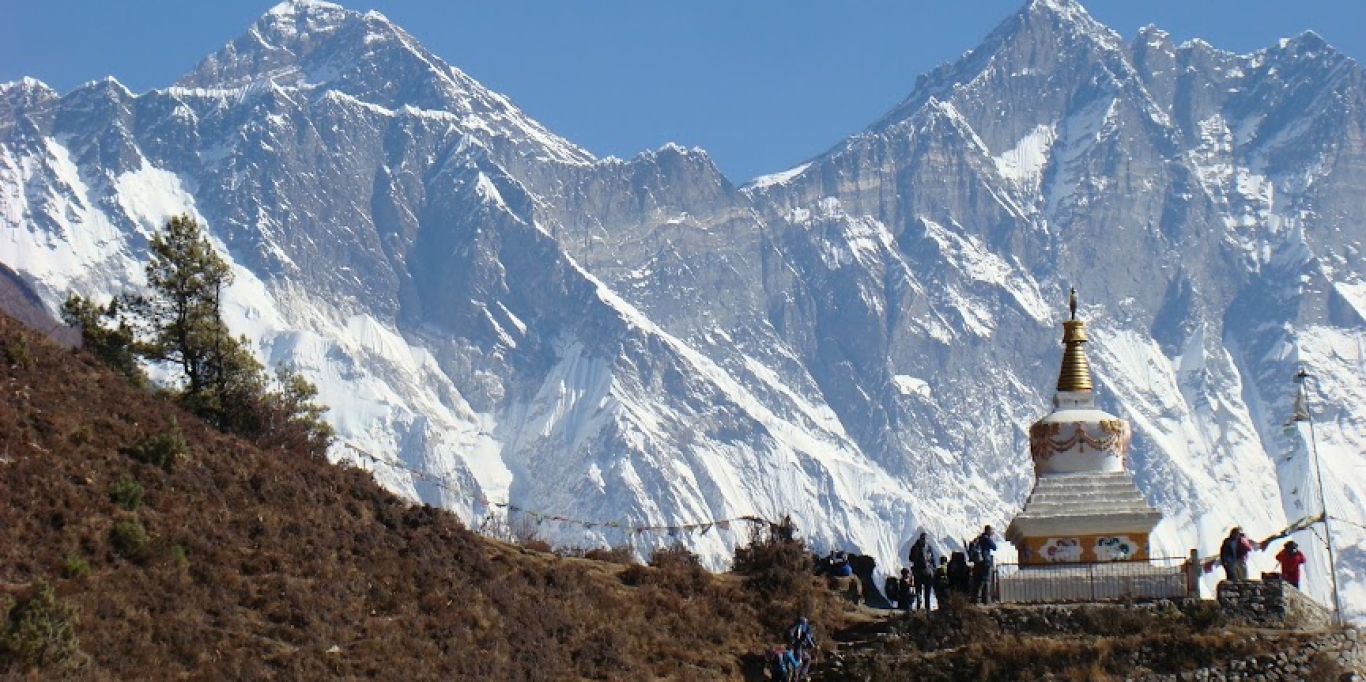
Embarking on the journey to conquer Mount Everest is a monumental endeavor that demands meticulous preparation and unwavering dedication. As you set your sights on this awe-inspiring peak, we are here to guide you through the rigorous training regimen necessary to embark on this extraordinary adventure.
Mount Everest stands as the pinnacle of human achievement in the realm of mountaineering. Rising majestically to a staggering height of 29,032 feet above sea level, it presents an unparalleled challenge to even the most seasoned climbers. We recognize the enormity of this challenge and are committed to equipping you with the physical and mental fortitude required to scale its awe-inspiring heights.
Endurance forms the cornerstone of any successful Everest expedition. We recommend incorporating a diverse range of cardiovascular exercises into your training regimen to build stamina and resilience. Activities such as running, cycling, and swimming not only enhance cardiovascular fitness but also cultivate the mental toughness essential for tackling high-altitude environments.
In addition to cardiovascular conditioning, we emphasize the importance of strength training in preparing for Everest. Focusing on compound movements such as squats, deadlifts, and lunges helps develop the muscular strength and power necessary to navigate challenging terrain and carry heavy loads at altitude. Incorporating resistance bands and bodyweight exercises further enhances functional strength and stability.
Acclimatization is a critical aspect of high-altitude mountaineering, and we cannot overstate its significance in preparing for Everest. Gradual exposure to increasing altitudes allows the body to adapt to reduced oxygen levels, minimizing the risk of altitude-related illnesses such as altitude sickness and pulmonary edema. We recommend incorporating simulated altitude training, such as hiking at high elevations or using altitude tents, to facilitate this adaptation process.
Conquering Mount Everest demands not only physical prowess but also mental resilience. We advise practicing mindfulness and visualization techniques to cultivate a positive mindset and mental fortitude in the face of adversity. Setting realistic goals, maintaining focus, and embracing the challenges ahead with a spirit of determination and resilience are crucial for success on the world's highest peak.
Proper nutrition and hydration are paramount for sustaining energy levels and optimizing performance during intense training sessions and high-altitude expeditions. We recommend a well-balanced diet rich in lean proteins, complex carbohydrates, healthy fats, and essential vitamins and minerals to fuel your body for peak performance. Hydration is equally vital, and we advise consuming adequate fluids, including water and electrolyte-rich beverages, to prevent dehydration and maintain optimal hydration levels.
Amidst the rigorous training schedule, we underscore the importance of rest and recovery in achieving peak physical condition. Adequate sleep, relaxation techniques, and active recovery strategies such as foam rolling and stretching are essential for repairing muscle tissue, preventing injury, and optimizing training adaptations. Balancing intense workouts with sufficient rest allows the body to recover and regenerate, ensuring sustained progress and performance gains.
Embarking on the journey to summit Mount Everest is a profound testament to the human spirit and a testament to the indomitable pursuit of excellence. We commend your ambition and determination and stand ready to support you on this extraordinary adventure. By embracing a comprehensive training regimen encompassing endurance, strength, altitude acclimatization, mental preparation, nutrition, hydration, and rest, we are confident that you will be well-equipped to rise to the challenge and achieve your Everest dreams.