Can Nepal's Far West Become a Tourism Hotspot? Challenges and Opportunities
Nepal's Far Western Province holds a treasure trove of natural beauty, rich cultural heritage, and prime tourism potential. Yet, despite its close proximity to India—a major tourist market—the region continues to face major hurdles in tourism development. The lack of collaboration between government and private sector has left many opportunities unexplored, raising the question: can this region finally realize its potential as a thriving tourism destination?
The Current State of Tourism in Far West Nepal
According to Dipak Bahadur Khadka, President of the Hotel Entrepreneurs Association, tourist numbers have noticeably declined in recent years, creating severe economic strain on local businesses. Without a unified strategy or substantial government support, the tourism sector struggles to thrive despite the region's undeniable attractions.
Several key areas highlight the disparities in Nepal's tourism development:
Shuklaphanta National Park: Hosted only 36,098 tourists over 13 years, primarily from India. Growth remains sluggish despite the park's rich biodiversity including tigers, elephants, and swamp deer.
Khaptad National Park: Has seen a rise in foreign visitors drawn to its unique combination of religious sites, rolling grasslands, and forested hills, but struggles to attract domestic travelers.
Rara Lake: Nepal's largest lake enjoys growing domestic visits, yet the international tourist market remains largely untapped, with limited promotion beyond national borders.
These figures reveal regional imbalances in tourism development, ineffective marketing efforts, and underutilization of Nepal's diverse attractions beyond the well-trodden paths of Everest and Annapurna.
The Missed Indian Market Opportunity
One of the biggest missed opportunities involves the Indian tourism market. Despite Nepal's geographical advantage and open border, Indian tourist arrivals have stagnated for 14 years. The Far West shares a long border with Indian states like Uttarakhand and Uttar Pradesh, yet fails to capture significant visitor numbers. A lack of targeted promotions, infrastructure improvements, and policy alignment has prevented this high-potential market from flourishing. Weekend getaways, pilgrimage tourism, and nature retreats could all draw millions of Indian travelers with the right development and marketing strategies. Nepal pilgrimage and Muktinath travel experience.
The Pricing Challenge
Another issue hampering tourism growth is the inconsistent entrance fees across different tourist sites. Charges currently range from 10 to 500 Nepalese Rupees, depending on whether visitors are domestic or foreign. This lack of standardization discourages international tourists who encounter unpredictable costs, while also creating confusion for local travelers. A well-structured, transparent pricing strategy is essential to encourage more visitors while ensuring sustainable conservation efforts. Implementing a clear, consistent fee structure across the region would improve visitor experience and support park maintenance.
Bridging the Domestic-International Tourism Divide
A closer look at successful tourism regions like the Annapurna Conservation A closer look at successful tourism regions like the Annapurna Conservation Area, home to popular routes such as the Annapurna Base Camp trekking experience, reveals an interesting trend... Area reveals an interesting trend: while foreign tourists flock to Nepal's iconic trekking destinations, Nepali tourists rarely visit sites frequented by international travelers. This disconnect between domestic and foreign tourism markets highlights the need for a more integrated tourism strategy. Encouraging Nepalese travelers to explore their own country creates a stable domestic tourism base that can sustain businesses during international tourism fluctuations. Simultaneously, attracting diverse international visitors requires understanding what different markets seek and tailoring experiences accordingly.
The Path Forward: Uniting for Growth
For Nepal's Far Western Province to unlock its full tourism potential, a collaborative approach is critical. Key steps include:
Strengthening partnerships: Formal collaboration between government agencies and private enterprises to develop cohesive tourism strategies.
Targeted promotional campaigns: Focused marketing in India and other key markets highlighting the unique attractions of the Far West.
Infrastructure development: Improving roads, accommodations, and visitor facilities to enhance accessibility and comfort.
Standardized entrance fees: Implementing a fair, consistent pricing system that encourages visitation while funding conservation.
Cross-promotion between tourism hubs: Connecting the Far West with established destinations like Pokhara and Kathmandu through packaged itineraries.
Community engagement: Involving local communities in tourism planning to ensure benefits reach residents and preserve cultural authenticity. Developing lesser-known destinations can help Nepal diversify tourism beyond established routes, much as remote Himalayan destinations such as Upper Mustang offer travelers a different cultural and geographical experience.
Unique Assets of the Far West
The region possesses distinctive attractions that could form the foundation of a successful tourism industry:
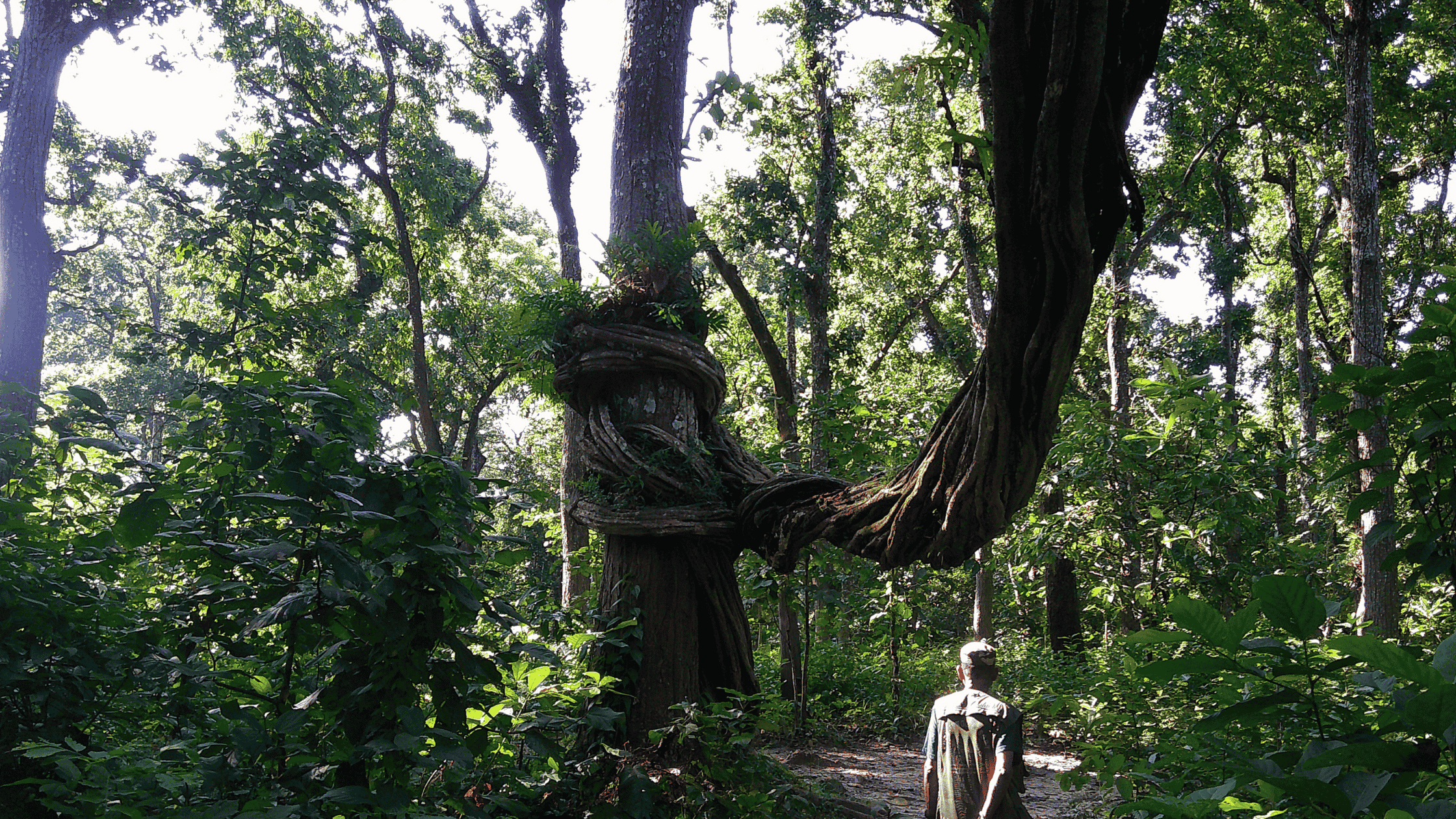
Shuklaphanta National Park: Grasslands, wetlands, and forests harboring Bengal tigers, Asian elephants, and over 400 bird species.
Khaptad National Park: A unique landscape of rolling grasslands and forests, combined with the religious significance of Khaptad Baba's ashram.
Rara Lake: Nepal's largest lake, surrounded by pristine forests and offering spectacular mountain views.
Cultural heritage: Distinctive Tharu culture in the Terai, and hill communities with unique traditions.
Pilgrimage sites: Religious destinations that could attract both domestic and Indian pilgrims.
Conclusion: A Vision for Transformation
The Far Western Province possesses everything needed to become a thriving tourism hub—natural beauty, cultural richness, and strategic location. However, realizing this potential requires acknowledging current challenges and committing to systemic change. By strengthening public-private partnerships, targeting key markets, developing infrastructure, and creating integrated tourism strategies, Nepal can transform this underperforming region into a vibrant destination. The time for action is now. Without a unified strategy and sustained investment, the region will continue to face stagnation. With collaborative effort, the Far West can deliver benefits to local businesses, travelers seeking new experiences, and the national economy alike.
Global Nepal Treks is committed to exploring and promoting Nepal's diverse regions, including the untapped potential of the Far West. Contact us to learn about emerging destinations and how we can help you discover Nepal beyond the classic routes.
Website: www.globalnepaltreks.com
Email: info@globalnepaltreks.com