Island Peak Climbing Nepal —18 Days—6,189m
Why Island Peak Is Nepal's Ultimate First Mountaineering Objective
Island Peak — called Imja Tse by the Sherpa community — rises dramatically above the Imja Valley at 6,189 metres. Its isolated, island-like profile when viewed from Dingboche is what gave it the name that has captivated adventurers since Eric Shipton's team first identified it as a training climb for Everest expeditions in 1952.
For climbers taking their first steps into the world of technical mountaineering, Island Peak offers an unmatched combination: a genuine summit above 6,000 metres, glacier travel on fixed ropes, a Headwall that demands full alpine technique, and the reward of a 360-degree panorama that includes Everest, Lhotse, Nuptse, Ama Dablam, and Makalu. It is classified as a trekking peak by the Nepal Mountaineering Association (NMA), but make no mistake — it is a serious undertaking that will test your endurance, acclimatisation, and mental resolve.
Global Nepal Treks has been guiding clients to the Island Peak summit for years. Our Sherpas are not seasonal staff — many were born in the Chukung and Dingboche valleys, know every metre of this mountain in all conditions, and hold wilderness first response certifications. We maintain a strict guide-to-climber ratio of 1:3, carry supplemental oxygen and emergency equipment, and follow a no-compromise evacuation protocol if any team member shows signs of severe altitude illness.
This 18-day itinerary routes you through the heart of the Khumbu — Namche Bazaar, Tengboche Monastery, Dingboche, and Everest Base Camp — before crossing the challenging Khongma La Pass and descending into the Chukung Valley, where the real climb begins. Two dedicated acclimatisation days are built into the schedule to protect both your safety and your chances of summit success.
Highlights
Detailed Itinerary
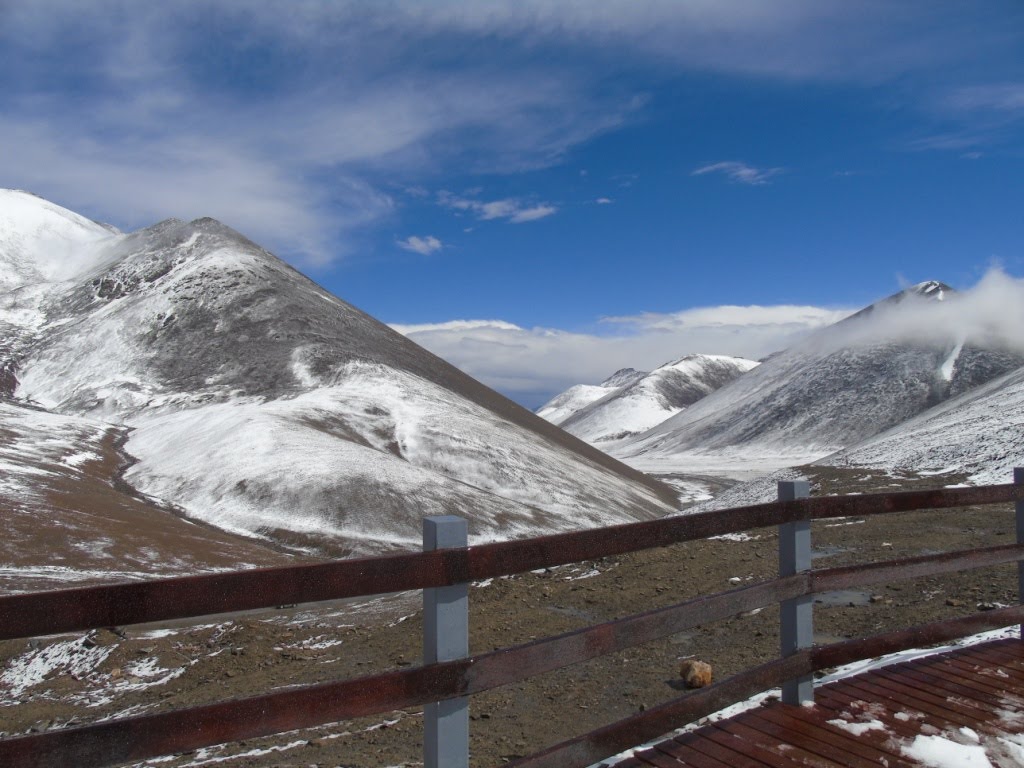
Arrival in Kathmandu (1,300 m)
Your Global Nepal Treks representative meets you at Tribhuvan International Airport and transfers you to your hotel in Thamel. In the afternoon, our team holds a comprehensive pre-expedition briefing covering permits, gear checks, safety protocols, and the day-by-day schedule. This is your opportunity to raise any last-minute questions before the adventure begins.
Fly Kathmandu → Lukla; Trek to Phakding (2,651 m)
An early morning domestic flight carries you over rolling hills and forested ridges before banking into the dramatic mountain airstrip at Lukla (2,860 m). After gear organisation and a short acclimatisation walk through Lukla town, the trail descends alongside the Dudh Koshi River through rhododendron and pine forests to the village of Phakding, where you overnight at a comfortable teahouse.
Phakding to Namche Bazaar (3,440 m)
Today's trail crosses multiple suspension bridges above the river gorge and passes through the Sagarmatha National Park checkpost at Monjo, where permits are verified. The final climb into Namche Bazaar is steep and demanding, gaining around 600 metres of altitude, but the sight of the Khumbu's largest trading town nestled in its horseshoe valley is an instant reward. Everest is visible on clear afternoons from the upper terraces of Namche.
Acclimatisation Day in Namche (3,700 m hike)
Acclimatisation is best achieved through active movement at higher altitude, followed by rest at your sleeping elevation. We hike up to the Everest View Hotel ridge (3,880 m) — arguably the finest panoramic vantage in the region — or explore the Sherpa museum and Hillary school in Khumjung village. The afternoon is free to browse Namche's gear shops, internet cafés, and bakeries before an early dinner and rest.
Namche to Tengboche (3,956 m)
Leaving Namche, the trail contours through rhododendron and birch forest above the Dudh Koshi gorge, with ongoing views of Ama Dablam growing larger with every step. The arrival at Tengboche Monastery — the spiritual heart of the Khumbu — is one of the expedition's defining moments. The monastery commands an unrivalled panorama of Everest, Lhotse, Nuptse, and Ama Dablam. Evening prayer ceremonies are open to respectful visitors.
Tengboche to Dingboche (4,380 m)
Descending from Tengboche, the trail passes through the village of Pangboche — home to the region's oldest monastery — before climbing steadily along the Imja Khola river valley. Dingboche, a settlement of stone-walled yak pastures framed by Ama Dablam and the Island Peak massif, is the highest permanently inhabited Sherpa village on this route and a critical altitude waypoint on the approach.
Acclimatisation Day in Dingboche (4,380 m)
A second deliberate acclimatisation day is essential before pushing above 4,500 metres. We hike to Nangkar Tshang peak (5,083 m) for sweeping views of Makalu, Baruntse, and the Island Peak ridge — giving your body a powerful altitude stimulus before returning to sleep low in Dingboche. Your guide will also conduct a basic health assessment — pulse oximetry and a symptom check — for each team member.
Dingboche to Lobuche (4,938 m)
The trail climbs through alpine grassland before ascending steeply to the Thukla Pass (4,830 m), where a stone memorial commemorates mountaineers lost on Everest. The descent from Thukla leads along the lateral moraine of the Khumbu Glacier to Lobuche — a small, exposed cluster of teahouses in a raw, otherworldly landscape beneath peaks exceeding 7,000 metres on every side.
Lobuche to Gorakshep + Kala Patthar (5,545 m)
After breakfast, a 2–3-hour trek across the glacial outwash plain brings you to Gorakshep — the last settlement before Everest Base Camp. Following lunch, the team climbs Kala Patthar (5,545 m), the black-schist outcrop that gives the highest-accessible Everest viewpoint its name. Sunrise or late afternoon light on the West Face of Everest from here is a sight that endures a lifetime. Return to Gorakshep for the night.
Gorakshep to Everest Base Camp → Lobuche
An early start allows you to reach Everest Base Camp (5,364 m) before the spring expedition traffic intensifies. Walk alongside the churning Khumbu Icefall — the most dangerous section of any Everest expedition — and absorb the electric atmosphere of base camp, where hundreds of mountaineers pursue the planet's highest summit. After this milestone visit, retrace the trail to Lobuche for the night.
Lobuche to Chukung via Khongma La Pass (5,535 m)
This is where the Island Peak route diverges from the standard EBC trek. The crossing of Khongma La Pass (5,535 m) is demanding, requiring careful footing on loose scree and occasionally snowy terrain, but delivers one of the expedition's finest mountain perspectives — including simultaneous views of Everest, Lhotse, Makalu, and the whole Chukung glacier system. The descent into Chukung is steep; trekking poles are recommended.
Chukung to Island Peak Base Camp (5,087 m)
After breakfast, the climbing team departs Chukung following the glacial moraine path toward Imja Lake and on to Island Peak Base Camp at 5,087 metres. The afternoon is dedicated to technical training — your Sherpa climbing guide demonstrates crampon fitting, ice axe self-arrest technique, harness setup, rope management, and abseiling. A full gear check is completed. Early dinner, then lights out by 6 pm to prepare for the pre-dawn summit push.
Island Peak Base Camp → Summit (6,189 m) → Chukung
Summit day begins at 1:00–2:00 AM under headlamps. The first section crosses rocky moraine and scree to High Camp, then steepens over boulder fields toward the glacier. At roughly 5,600–5,700 metres, crampons go on, harnesses are clipped to fixed ropes, and the team begins moving across the glacier in cordée formation. The final challenge is the Headwall — a 45–55° ice and snow slope where your guide fixes ropes above. This is the section that separates Island Peak from a "walk-up" and gives the summit its genuine mountaineering character. At the top, a razor-thin snow ridge leads to the summit marker, where Lhotse's South Face fills the horizon just kilometres away. Descend via abseil on the Headwall, then re-rope through the glacier to High Camp, pack up, and hike back to Chukung for a celebratory dinner.
Chukung to Pangboche (3,985 m)
The descent back through the Khumbu Khola valley is a welcome relief for tired bodies. Altitude loss brings a rapid improvement in oxygen availability, appetite, and energy. The trail passes through Orsho and Shomare — traditional Sherpa farming villages — before reaching Pangboche with its ancient monastery perched above the valley and near-vertical views up to the Ama Dablam ridgeline.
Pangboche to Namche Bazaar (3,440 m)
Retracing the upper valley trail through Tengboche, where a monastery lunch stop is optional, the route then descends through juniper and rhododendron forest to the Dudh Koshi gorge. Snow Leopard sightings are occasionally reported in this stretch during the winter months. Namche Bazaar, a destination in its own right, welcomes you back with its bakeries, Wi-Fi, and lively communal atmosphere — the perfect place to mark the expedition's success over dinner.
Namche Bazaar to Lukla (2,860 m)
The final full trekking day follows the original trail back down the Dudh Koshi valley, crossing the same suspension bridges and passing through Phakding before the final climb into Lukla. The evening holds a traditional Sherpa farewell dinner with your guide and porter team — an occasion to share photos, exchange contact details, and express gratitude for the mountain's generosity.
Fly Lukla → Kathmandu
An early morning flight returns you to Kathmandu by mid-morning, leaving the afternoon free for last-minute souvenir shopping in Thamel, a cultural visit to Pashupatinath or Boudhanath, or simply resting and reflecting. Global Nepal Treks hosts a celebratory dinner in the evening to mark your achievement in style.
Departure
Departure to the destination
Inclusions & Exclusions
Included
- Airport transfers on arrival and departure (×2) Domestic flights: Kathmandu–Lukla–Kathmandu (×2 tickets) Sagarmatha National Park entry permit Khumbu Pasang Lhamu Rural Municipality entry permit Island Peak climbing permit issued by the Nepal Mountaineering Association (NMA) Licensed trekking guide for 15 days on trail Porter service for 14 days (max 10 kg of personal gear per climber) Certified Sherpa climbing guide for 3 summit days (1 guide per 3 climbers maximum) Full technical climbing hardware at base camp — fixed ropes, anchors, hardware 2 nights hotel accommodation in Kathmandu (twin-share, 3-star) 13 nights teahouse accommodation on trail (twin-share) 2 nights tented camping at Island Peak Base Camp and High Camp All meals during the trek: 14 breakfasts, 15 lunches, 15 dinners All cooked meals and hot beverages while camping First-aid kit with pulse oximetry monitoring throughout All staff salaries, insurance, and ground transport costs
Excluded
- International flights and Nepal visa fees Travel and rescue insurance — mandatory, must cover mountaineering to 6,500 m Personal climbing equipment (crampons, ice axe, harness, helmet) — rentable in Dingboche/Chukung Sleeping bag and down jacket — rentable in Kathmandu's Thamel district Meals and drinks in Kathmandu beyond what is specified Wi-Fi, phone charging, and hot showers in teahouses (pay direct) Tips for guides, porters, and kitchen staff (customary and appreciated) Any costs arising from emergency evacuation or medical treatment
Essential Information
Best Time to Visit
Spring — April & May The spring window is favoured for its warmer trail temperatures and vibrant alpine scenery. Rhododendrons and magnolias bloom at lower elevations from late March, creating a colourful backdrop to the approach. Weather windows are generally stable through April and into May before the monsoon begins in June. The climbing permit costs USD 250 per person in spring. This is also Everest expedition season — Base Camp has an energetic, electric atmosphere. Advance teahouse booking is strongly recommended as trails are at their busiest. Autumn — October & November Post-monsoon skies are crystal clear, delivering the finest mountain visibility of the year. The dry, cool air between October and late November produces outstanding photography conditions and stable summit weather windows. The climbing permit is USD 125 per person in autumn — a better-value season for budget-conscious climbers. Trails are at their peak traffic in October; November is slightly quieter. Some higher sections may carry early-season snow by late November.
Difficulty Level
Overall Grade: Challenging — physically and technically demanding Technical Skill No prior technical mountaineering experience is required. Our certified Sherpa guides teach crampon technique, ice axe use, harness setup, ascender operation, and rappelling at base camp before the summit attempt. A genuine willingness to follow guide instructions without hesitation is essential. At the Island Peak summit, atmospheric oxygen is approximately 48% of sea level. Two built-in acclimatisation days and the "climb high, sleep low" approach give your body maximum time to adapt. Diamox (acetazolamide) use should be discussed with your physician before departure. Your guide monitors pulse oximetry readings and symptoms daily from Namche onward. Mental Endurance A 1:00 AM start in freezing darkness, sustained physical effort at extreme altitude, and the technical demands of the Headwall test climbers' resolve as much as their bodies. Our guides are trained to read both physical and psychological states, and will always prioritise safety over summit ambition. Temperature Range Daytime temperatures at Island Peak Base Camp typically range from -2°C to 8°C during the climbing seasons. Pre-dawn summit temperatures at the Headwall can drop to -15°C or below with wind chill. A sleeping bag rated to -20°C is non-negotiable, and a quality down climbing suit or equivalent layering system is essential for the summit push. Altitude Sickness Acute Mountain Sickness (AMS) symptoms include persistent headache, nausea, dizziness, and breathlessness at rest. Severe AMS can progress rapidly to life-threatening High Altitude Pulmonary Oedema (HAPE) or High Altitude Cerebral Oedema (HACE). If any severe symptoms emerge, our protocol is immediate descent — no negotiation. Our guides carry dexamethasone and operate under a clear emergency evacuation procedure.
Fitness Requirements
Preparation Tips
Equipment List
Health Considerations
Permits Required
Gallery
Frequently Asked Questions
Do I need prior mountaineering experience?
Prior technical climbing experience is not a requirement, but solid trekking fitness and a positive attitude toward learning are essential. All technical skills — crampon use, ice axe technique, fixed-rope ascending, and abseiling — are taught by our certified Sherpa guides at base camp on Day 12, before the summit attempt.
What is the summit success rate?
Global Nepal Treks maintains a strong summit success rate for clients who complete the full acclimatisation schedule and arrive with adequate physical fitness. Weather windows are the primary variable outside human control; our guides monitor forecasts daily and adjust summit timing to maximise both safety and success.
What travel insurance do I need?
Your policy must explicitly cover mountaineering activity to 6,500 metres and include emergency helicopter evacuation from high altitude. Many standard travel policies exclude activities above 5,000 metres — verify your coverage carefully before purchase. Adventure-specific providers such as World Nomads or similar are commonly used by our clients.
Can I rent climbing equipment in Nepal?
Yes. Crampons, ice axes, harnesses, helmets, and ascenders are all available for rent in Dingboche and Chukung. Rental quality has improved significantly in recent years. Sleeping bags and down jackets can be rented from gear shops in Kathmandu's Thamel district before the expedition begins.
What happens if I cannot summit due to altitude sickness?
Your safety always comes before the summit. If you develop significant AMS symptoms, your guide will arrange immediate descent to a safer altitude. In serious cases, helicopter evacuation from Chukung or Pheriche is possible within hours. This is exactly why comprehensive travel and rescue insurance is mandatory for all participants.
Can solo travellers join a group departure?
Absolutely. Global Nepal Treks runs scheduled group departures in spring and autumn, and solo travellers are matched with other climbers of similar experience and fitness level. Private departures for individuals or groups of any size can be arranged on any preferred date — contact us directly to discuss.
How do I travel from Kathmandu to Lukla?
We arrange your domestic flight with Tara Air or Summit Air from Kathmandu's domestic terminal to Tenzing-Hillary Airport in Lukla — a 35-minute scenic flight. Note that Lukla flights are weather-dependent and subject to delays; we recommend not scheduling onward international connections within 48 hours of your Lukla return date. Depending on the season, flights may also depart from Ramechhap Airport (a 4–5-hour early morning drive from Kathmandu) — we advise you of the current arrangement at the time of booking.
What is the guide-to-climber ratio on summit day?
We maintain a maximum ratio of one certified Sherpa climbing guide for every three climbers on the technical sections — glacier travel, the Headwall ascent, and the abseiling descent. This is significantly better than the industry standard and is central to our safety record.