7 Breathtaking World Heritage Wonders That Make Nepal's 2026 Tourism Boom Absolutely Unstoppable
March 29, 2026 • Heritage & Travel
Discover why 1.1 million+ travelers are flocking to Nepal — and why 2026 may be its most transformative year yet.
Introduction
Imagine standing at the edge of a courtyard older than most nations — where carved wooden temples rise skyward, incense drifts through ancient pagodas, and monks chant under the shadow of snow-capped Himalayas. This is Nepal: a landlocked kingdom that holds more UNESCO World Heritage Sites per square kilometer than almost anywhere on Earth.
Yet Nepal is not simply a relic of the past. It is actively reinventing itself as one of Asia's most dynamic and culturally immersive tourism destinations. In 2025, the country welcomed over 1.15 million international visitors — reaching 97% of its pre-COVID benchmark — and now, with the Nepal ASEAN Tourism Year 2026 initiative officially launched, the momentum is accelerating rapidly.
In this article, we explore Nepal's most remarkable UNESCO World Heritage Sites, answer the most frequently asked questions about heritage tourism in Nepal, and reveal why 2026 represents an unprecedented opportunity for travelers, investors, and cultural enthusiasts alike. Whether you are planning your next journey or tracking global tourism trends, Nepal demands your attention right now.
World Heritage in Nepal: A Treasure Trove of Living History
What Makes Nepal's Heritage So Uniquely Powerful?
Nepal hosts 10 UNESCO World Heritage Sites, 7 of which are concentrated within the Kathmandu Valley alone. This extraordinary density of heritage reflects thousands of years of continuous civilization, where Hindu and Buddhist traditions have coexisted, influenced, and enriched each other across centuries.
Unlike preserved-behind-glass museums, Nepal's heritage is alive. Daily rituals take place in 2,000-year-old temples. Local artisans still practice traditional metalwork passed down through generations. The heritage here breathes, evolves, and welcomes you into its story. That living authenticity is precisely what modern travelers are searching for — and what Nepal delivers better than almost anywhere else on the planet.
The 7 Most Iconic UNESCO World Heritage Sites in Nepal
The following sites represent the cultural and natural crown jewels of Nepal's heritage landscape:
- Kathmandu Durbar Square — The historic heart of the capital, this UNESCO site features palaces, temples, and the living goddess Kumari's residence. Kasthamandap, believed to be built from the wood of a single tree, remains one of Asia's most extraordinary architectural feats.
- Patan Durbar Square — Just across the Bagmati River, Patan is a center of traditional craftsmanship and Newari art. The Patan Museum is widely regarded as one of South Asia's finest, showcasing bronze sculptures, stone carvings, and sacred manuscripts.
- Bhaktapur Durbar Square — Known as the 'City of Devotees,' Bhaktapur preserves medieval Newari culture with remarkable authenticity. Its 55-Window Palace and Nyatapola Temple are among the most photographed structures in all of Asia.
- Pashupatinath Temple — One of Hinduism's most sacred shrines, located on the banks of the holy Bagmati River. Pilgrims travel from across South Asia to worship here, while travelers witness ancient cremation rituals and the spiritual rhythms of Hindu life.
- Boudhanath Stupa — One of the largest Buddhist stupas in the world, Boudhanath is a spiritual epicenter for the Tibetan diaspora. Spinning prayer wheels, crimson-robed monks, and the omnipresent scent of juniper incense make this a profoundly moving experience.
- Lumbini — The birthplace of Siddhartha Gautama, the historical Buddha, Lumbini is sacred to 500 million Buddhists worldwide. The Maya Devi Temple and the Ashoka Pillar, erected by Emperor Ashoka in 249 BC, mark this as one of humanity's most significant spiritual sites.
- Sagarmatha (Everest) & Chitwan National Parks — Beyond the cultural sites, Nepal's natural heritage is equally compelling. Sagarmatha National Park, home to the world's highest peak, and Chitwan National Park, a sanctuary for one-horned rhinoceroses and Bengal tigers, complete the nation's extraordinary heritage portfolio.
Frequently Asked Questions: World Heritage in Nepal
Q: How many UNESCO World Heritage Sites does Nepal have?
Nepal currently holds 10 UNESCO World Heritage Sites in total — 4 natural and 6 cultural. Seven of these cultural sites are located within the Kathmandu Valley, making it one of the most heritage-dense urban areas in the entire world. This remarkable concentration in such a small geographic area is virtually unparalleled globally.
Q: Is it safe to visit Nepal's heritage sites?
Absolutely. Nepal consistently ranks as one of South Asia's safest travel destinations. The government has significantly increased investment in tourism infrastructure, visitor safety, and heritage site management over the past several years. Solo travelers, families, and cultural explorers all visit Nepal's heritage sites regularly without incident.
Q: What is the best time of year to visit Nepal for heritage tourism?
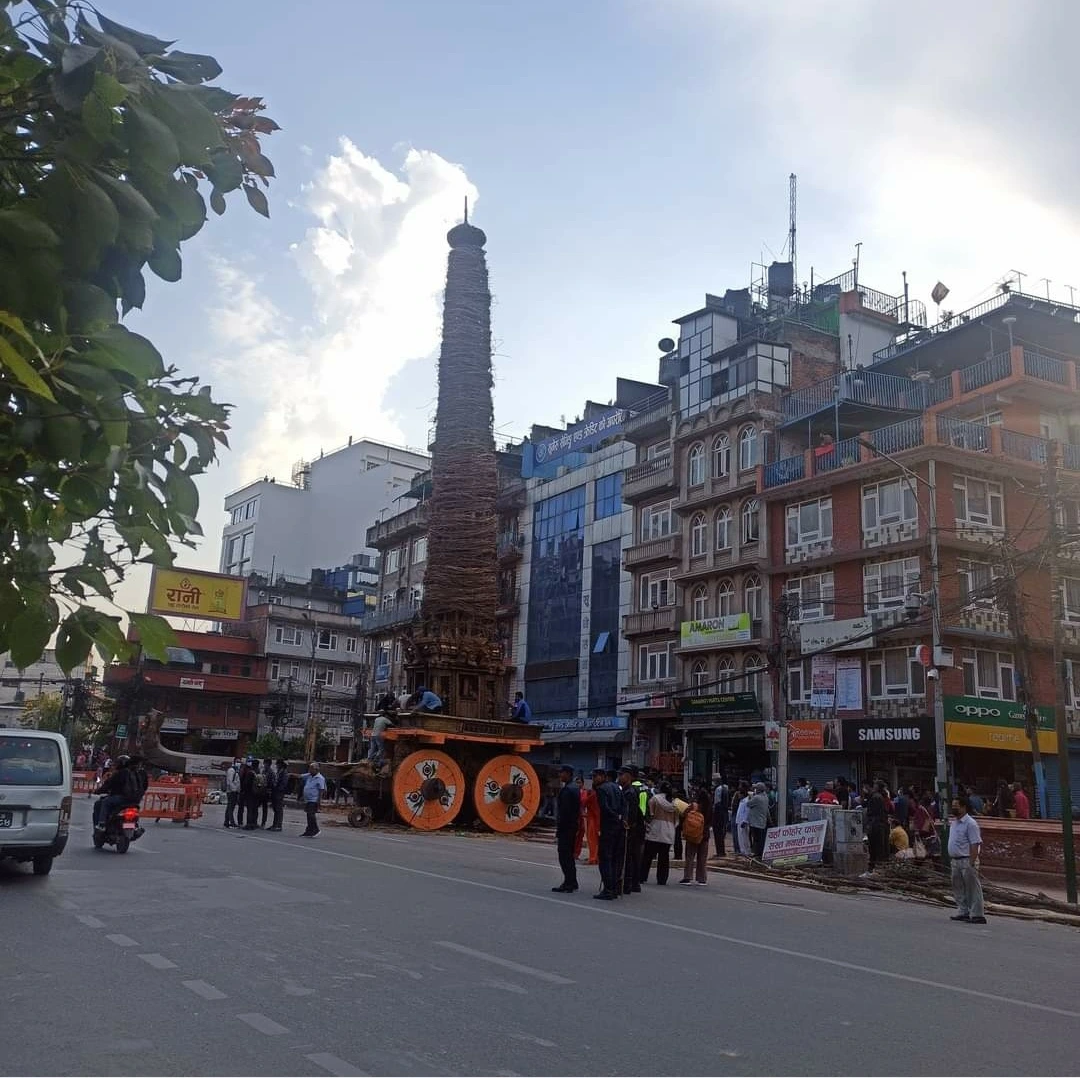
October through December and February through April represent Nepal's peak heritage tourism seasons. During these months, skies are clear, temperatures are comfortable, and major festivals — including the spectacular Indra Jatra and Bisket Jatra celebrations — bring Nepal's living heritage traditions to vibrant life. However, the monsoon season (June–August) carries its own unique charm for travelers seeking fewer crowds and lush green landscapes.
Q: How does Nepal protect its UNESCO heritage sites?
Nepal actively collaborates with UNESCO, international NGOs, and foreign governments to preserve and restore its heritage sites. Following the devastating 2015 earthquake, an extraordinary global restoration effort — supported by China, Japan, India, the United States, and the European Union — helped rebuild damaged temples and monuments. Today, the Department of Archaeology oversees strict conservation protocols at all listed sites.
Nepal Tourism 2026: A Transformational Year Begins
What is Nepal ASEAN Tourism Year 2026?
Nepal's government and the Nepal Tourism Board officially launched the Nepal ASEAN Tourism Year 2026 initiative, an ambitious strategic campaign designed to significantly expand the country's international visitor base. The initiative directly targets Thailand, Indonesia, Malaysia, Singapore, Vietnam, and other ASEAN nations — markets with rapidly growing middle classes and strong interest in Buddhist heritage, adventure travel, and wellness experiences.
The campaign involves coordinated partnerships with ASEAN airlines, tour operators, travel agencies, and government tourism bodies. Direct charter flights, promotional packages, and co-branded marketing campaigns are already being deployed. For Nepal, this represents not merely a promotional campaign but a fundamental strategic repositioning as a premier Asian heritage and adventure destination.
The Staggering Numbers Behind Nepal's Tourism Growth
The statistics tell a compelling story. In 2025, Nepal welcomed 1,158,459 international visitors — representing an extraordinary 97% recovery to pre-COVID 2019 levels. Tourism contributes an estimated 7–8% of Nepal's GDP and supports over one million jobs nationwide. Crucially, community-based tourism initiatives have driven significant economic benefits directly to rural communities near heritage sites and trekking corridors.
Adventure tourism — trekking, mountaineering, and white-water rafting — remains Nepal's strongest draw. However, cultural and heritage tourism is growing at an accelerating rate as global travelers increasingly prioritize meaningful, experience-driven travel over conventional sightseeing.
Frequently Asked Questions: Nepal Tourism 2026
Q: Why is 2026 such a pivotal year for Nepal tourism?
Three converging factors make 2026 exceptional. First, the Nepal ASEAN Tourism Year 2026 initiative opens major new source markets across Southeast Asia. Second, the government is actively improving air connectivity through Tribhuvan, Gautam Buddha, and Pokhara International Airports, dramatically increasing Nepal's accessibility. Third, global travel sentiment is strongly favoring authentic, culturally immersive destinations — exactly Nepal's core competitive advantage.
Q: What new tourism experiences is Nepal offering in 2026?
Nepal is actively diversifying its tourism portfolio beyond trekking. New offerings include the Eastern Nepal: The Road Less Taken circuit, the Live the Tharu Way indigenous cultural immersion experience in the western Terai region, curated Buddhist pilgrimage circuits connecting Lumbini, Boudhanath, and Swayambhunath, and wellness retreats centered on traditional Ayurvedic medicine and Himalayan meditation practices.
Q: How does Nepal rank globally for sustainable tourism?
Nepal has earned global recognition for nature-connectedness tourism, ranking number one worldwide in this emerging category. Community-based tourism models — where local families host travelers, guide experiences, and directly retain economic benefits — have positioned Nepal as a global leader in sustainable, responsible travel. This approach actively benefits heritage preservation by creating local economic incentives to protect cultural and natural assets.
Q: Is Nepal's tourism infrastructure ready for increased visitor numbers?
Significant infrastructure investment is actively underway. Pokhara International Airport, inaugurated in 2023, now handles international flights and dramatically reduces pressure on Kathmandu's Tribhuvan Airport. Gautam Buddha International Airport in Bhairahawa serves the Lumbini region directly. Road connectivity between heritage sites is improving, and digital tourism platforms are being upgraded to streamline visitor experiences.
Why Nepal's Heritage Tourism Is a Model for the World
Nepal demonstrates that authentic cultural preservation and economic growth are not competing objectives — they are powerfully complementary. By placing heritage at the center of its national tourism strategy, Nepal generates visitor revenue that directly funds conservation efforts, community development, and cultural education programs. This virtuous cycle creates a self-reinforcing engine of sustainable growth.
Furthermore, Nepal's extraordinary diversity — spanning Hindu sacred sites, Buddhist monasteries, indigenous Tharu villages, and Himalayan Sherpa communities — means that no two visits are identical. This depth of authentic cultural variety is precisely the competitive advantage that mass-market beach destinations fundamentally cannot replicate.
As global travelers increasingly reject superficial tourism in favor of meaningful engagement with living cultures and ancient traditions, Nepal is extraordinarily well-positioned to capture this shift. The country does not merely offer heritage to observe; it invites travelers to genuinely participate in it.
Conclusion: Nepal's Greatest Chapter Is Being Written Right Now
Nepal stands at a genuinely historic inflection point. Its 10 UNESCO World Heritage Sites, its extraordinary cultural diversity, its award-winning sustainable tourism model, and its bold Nepal ASEAN Tourism Year 2026 strategy are collectively positioning the country for its most transformative decade yet.
For travelers, 2026 offers an unmissable window to experience Nepal before the world fully catches on. For the tourism industry, Nepal represents one of Asia's most compelling investment and partnership opportunities. And for the global heritage community, Nepal serves as a living proof point that ancient traditions can not only survive in the modern world — they can genuinely thrive.
The Himalayas have stood for millions of years. Nepal's heritage has endured for millennia. And in 2026, both are ready to welcome the world. Do not wait — Nepal's greatest chapter is being written right now, and the most meaningful journeys always begin with a single, courageous decision to go.