Your First Himalayan Trek: The Ultimate Beginner’s Guide
Standing on a trail surrounded by the world’s highest peaks, breathing crisp mountain air – trekking in the Himalayas is a dream for many. Yet for first‑timers, the idea can feel overwhelming. Where do you start? What do you pack? How do you prepare? This guide answers all those questions and more, helping you step onto the trail with confidence.
Why Trekking in Nepal is the Perfect First Himalayan Adventure
Nepal is home to eight of the world’s fourteen highest mountains, but it also offers gentle hills, lush forests, and welcoming villages. For beginners, the country provides a perfect blend of challenge and accessibility. The infrastructure of tea houses (family‑run lodges) means you don’t need to carry a tent or cooking gear. Well‑marked trails, experienced guides, and a vibrant trekking community make Nepal an ideal place to begin your Himalayan journey.
Step 1: Choose the Right Trek
Not all treks are created equal. For your first trek, aim for a route with manageable altitude and a comfortable duration. Consider these beginner‑friendly options:
- Ghorepani Poon Hill Trek (4‑5 days): Short, spectacular, and reaches only 3,210m. Perfect for a taste of the Annapurnas.
- Langtang Valley Trek (7‑9 days): Close to Kathmandu, stunning valley views, and maximum altitude around 3,800m – ideal for acclimatization practice.
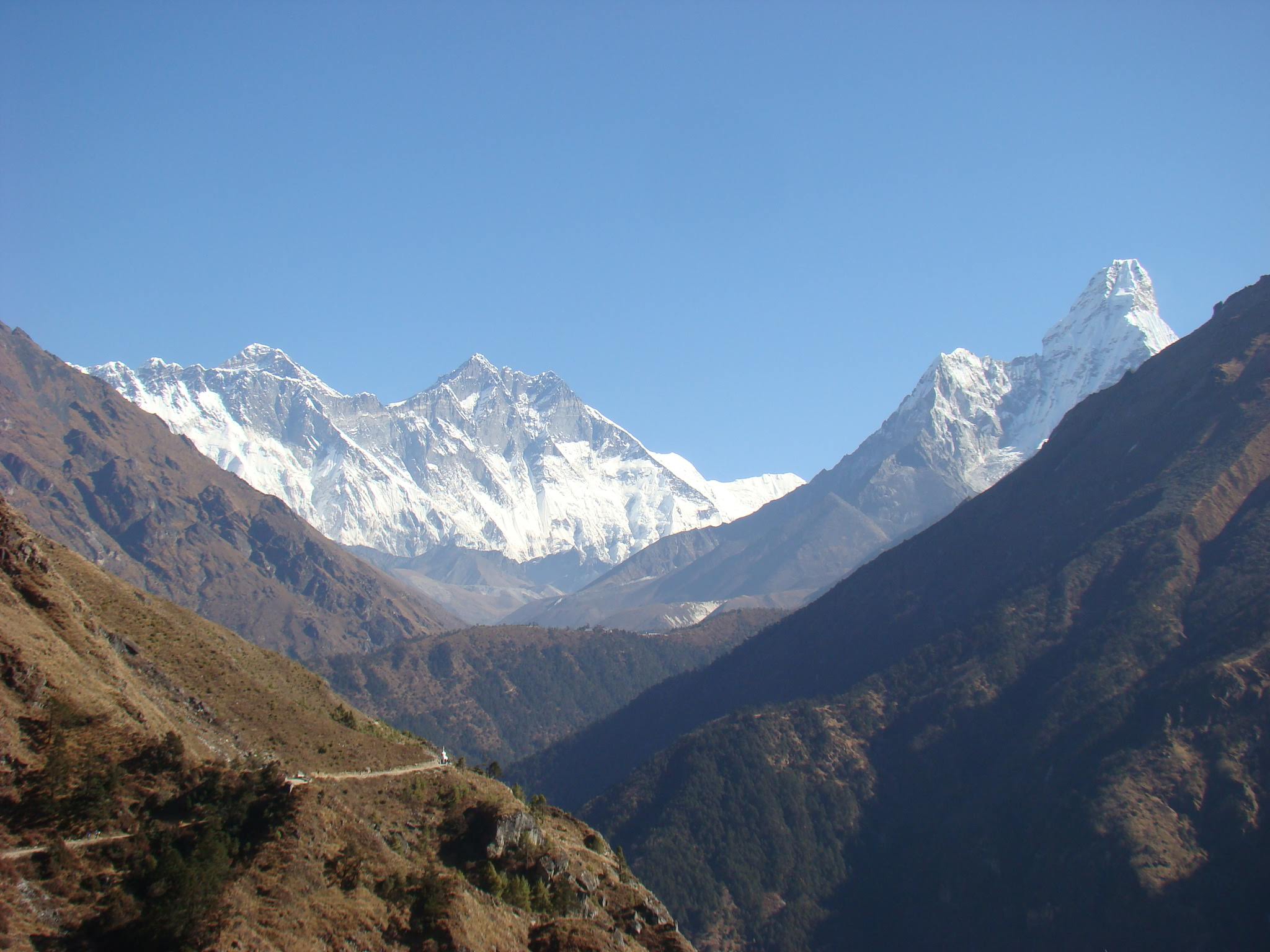
- Everest Panorama Trek (8‑9 days): If you dream of Everest but aren’t ready for Base Camp, this route takes you to Tengboche Monastery with breathtaking mountain views.
Avoid high‑pass treks (like Thorong La or Cho La) or remote regions for your first trip. Build experience first, then take on bigger challenges.
Step 2: Prepare Your Body – No Marathon Needed
You don’t need to be an athlete to trek in Nepal, but a baseline level of fitness will make your journey much more enjoyable. Focus on:
- Cardiovascular endurance: Aim for 30‑45 minutes of walking, running, or cycling 4‑5 times a week.
- Leg strength: Squats, lunges, and step‑ups with a light backpack simulate the daily ascent.
- Practice hikes: If possible, take day hikes with your loaded trekking pack to get used to the weight and your boots.
Start training at least two months before your trek. Consistency is key, not intensity.
Step 3: Gear Up – What to Pack (and What to Leave Behind)
Packing light is an art. Focus on layers, quality basics, and essentials only. You can rent or buy many items in Kathmandu.
- Footwear: Sturdy, waterproof hiking boots broken in well before the trek. Camp shoes (sandals or trainers) for evenings.
- Clothing layers: Moisture‑wicking base layer, insulating fleece or down jacket, waterproof outer shell. Quick‑dry trekking pants.
- Accessories: Sun hat, warm beanie, gloves, sunglasses, buff or neck gaiter.
- Sleeping bag: Rated to -10°C or lower (can be rented).
- Water & hydration: Reusable bottle (2‑3 liters) and water purification tablets/filter. Avoid buying single‑use plastic.
- Other essentials: Trekking poles (reduce knee strain), headlamp, power bank, sunscreen, lip balm, basic first aid kit, personal medications.
Don’t forget your travel documents: passport, permits (TIMS and national park), insurance details, and a few passport photos.
Step 4: Understand Permits and Insurance
Most treks require two permits: the TIMS card and a national park entry permit (e.g., Annapurna Conservation Area Permit or Sagarmatha National Park Permit). These are easily arranged through a licensed trekking agency in Kathmandu.
Travel insurance is non‑negotiable. Your policy must cover trekking up to the altitude you plan to reach (at least 4,000‑5,000 m) and include emergency helicopter evacuation. Double‑check the fine print – many standard policies exclude high‑altitude activities.
Step 5: Acclimatize – Listen to Your Body
Altitude sickness is the biggest risk in the Himalayas. Even on moderate treks, acute mountain sickness (AMS) can affect anyone, regardless of fitness. Follow these rules:
- Ascend slowly – don’t increase sleeping altitude by more than 300‑500 meters per day above 3,000 m.
- Include rest days in your itinerary (e.g., a day in Namche Bazaar or Dingboche).
- Drink 3‑4 liters of water daily; avoid alcohol and sedatives.
- If you experience headache, nausea, dizziness, or extreme fatigue – stop and descend. Descending is the only cure for AMS.
Your guide will monitor your well‑being, but you are responsible for your own health. Never push through symptoms.
Step 6: Go With a Guide or Join a Group?
For beginners, hiring a licensed guide is highly recommended. A good guide offers:
- Safety – they know the route, weather patterns, and emergency procedures.
- Cultural insight – stories about the mountains, monasteries, and local life.
- Logistics – they handle permits, accommodation, and any unexpected issues.
If you prefer independence, you can trek without a guide on most popular routes, but having a guide for your first trek greatly reduces stress and enriches the experience. Many trekkers also join small group tours, which often include a guide and porter.
Step 7: Embrace the Tea House Experience
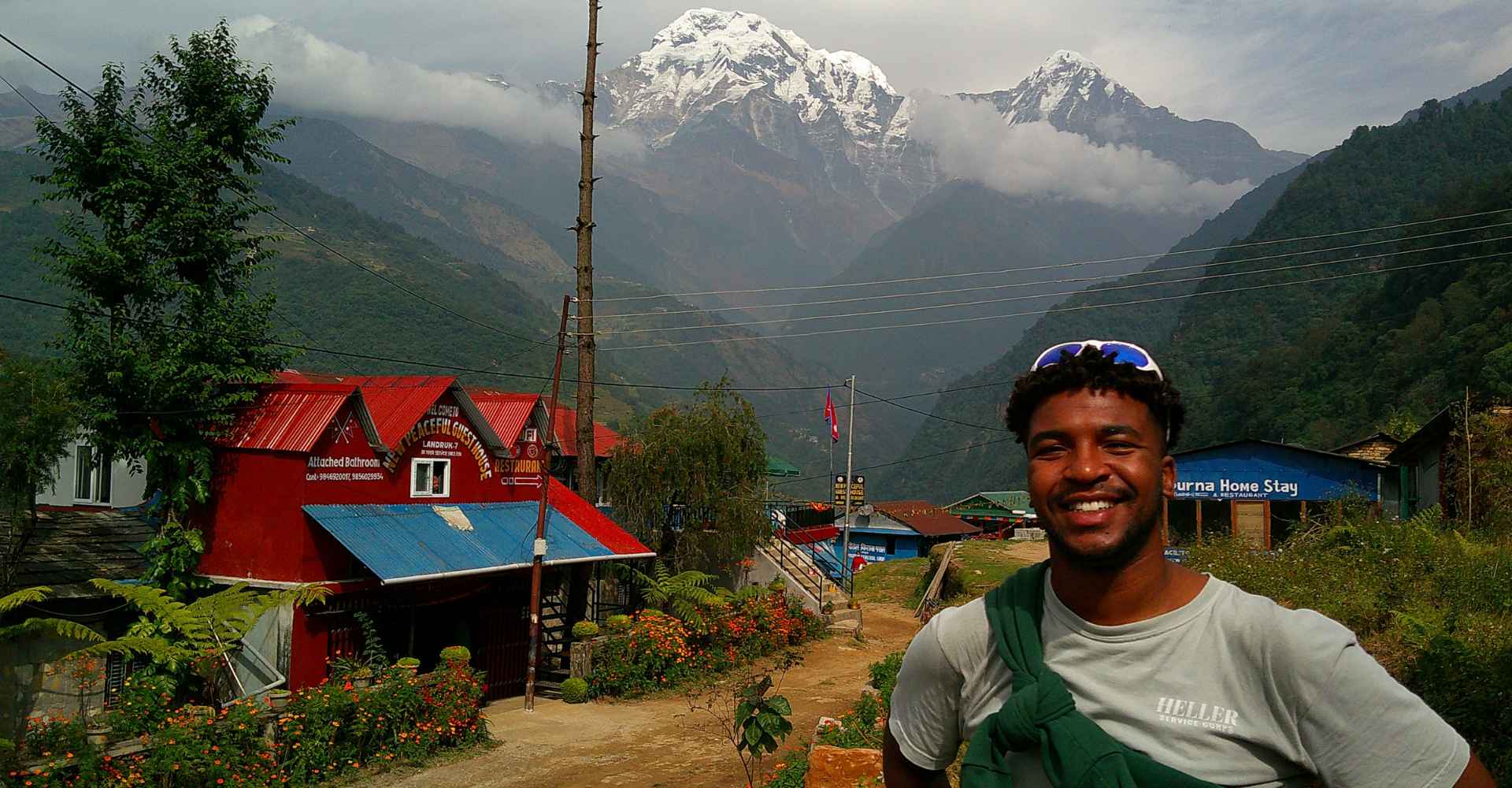
Tea houses are simple lodges that offer a warm bed, hot meals, and a chance to meet fellow trekkers. Expect basic but clean rooms with shared bathrooms. Most serve a menu of dal bhat, noodles, momos, and Western dishes. The dining room is the heart of the lodge – perfect for swapping stories and warming up by the stove. Bring earplugs, as walls can be thin.
Step 8: Stay Hydrated and Fuel Up
Your body burns more energy at altitude. Eat well – dal bhat (rice with lentil soup) is a staple because it’s nutritious and you can ask for refills. Carry snacks like nuts, chocolate, and energy bars to keep you going between meals. For water, use purification tablets or a filter bottle to refill from tea houses – this reduces plastic waste and saves money.
Step 9: Respect the Culture and Environment
The Himalayas are home to ancient cultures. Show respect by:
- Asking permission before photographing people.
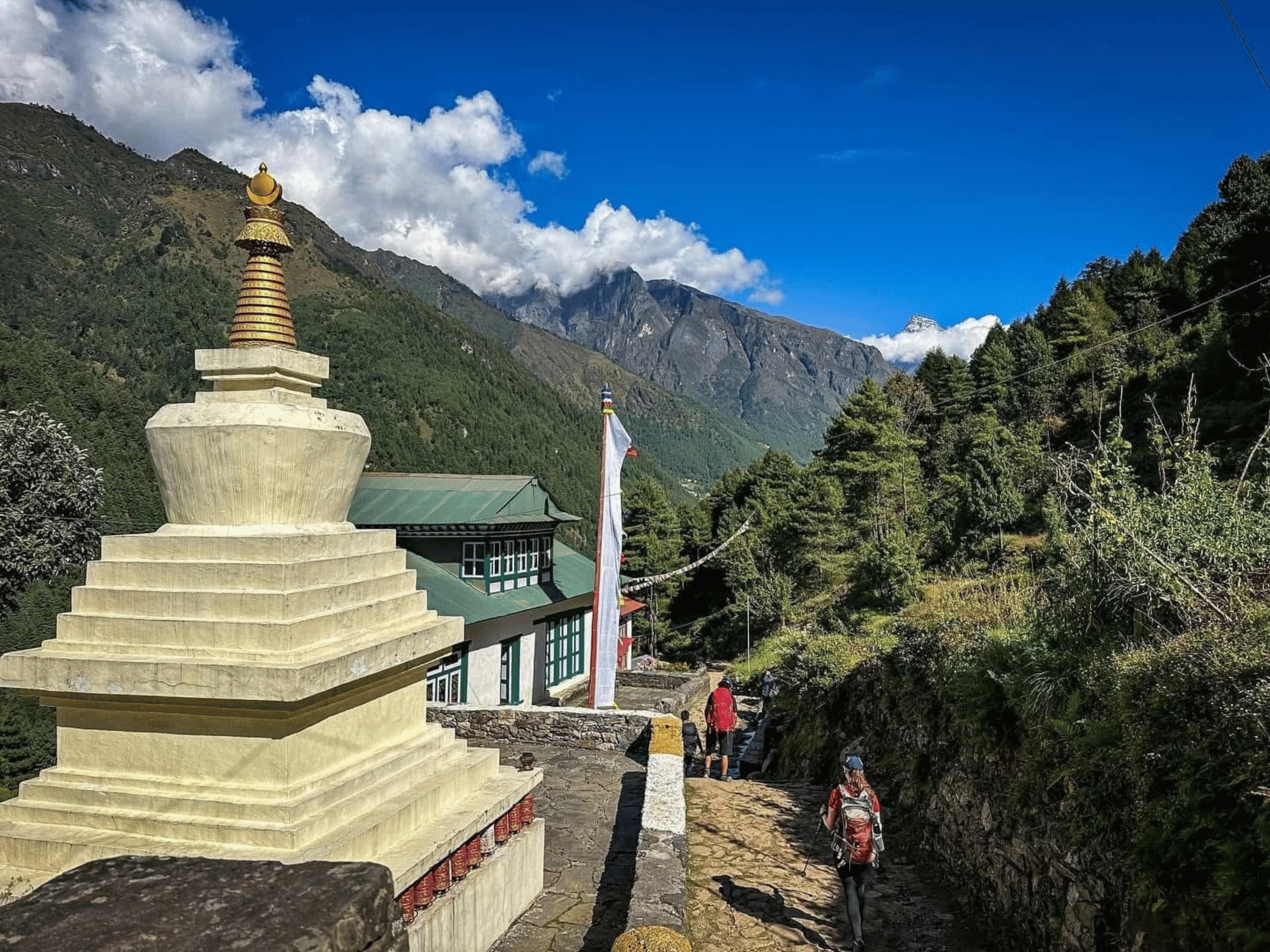
- Walking clockwise around stupas and mani walls.
- Dressing modestly, especially when entering monasteries.
- Carrying out all non‑biodegradable waste – leave no trace.
Your visit supports local communities, so choose teahouses and shops that practice sustainable tourism.
Conclusion: Your Himalayan Story Begins Now
Your first Himalayan trek is more than a physical journey – it’s a chance to connect with nature, challenge yourself, and experience the warmth of mountain communities. With proper preparation, the right mindset, and a little help from local experts, you’ll return home with stories that will stay with you forever.
Ready to start planning? Global Nepal Treks offers beginner‑friendly itineraries with experienced guides who will make your first trek safe and unforgettable. Contact us today and let’s turn your Himalayan dream into reality.