Introduction: Why This Guide Is Different
Search "Chitwan National Park safari," and you'll find hundreds of glossy brochures showing rhinos in golden light and smiling tourists on elephant backs. What you won't easily find is the practical, sometimes unglamorous information travelers actually need — how permits really work, what safaris really cost after hidden fees, which activities are being phased out for ethical reasons, how likely you really are to see a tiger, and what happens if the weather turns against you.
This guide fills those gaps. It's built for travelers who want the full picture before they book, not just the marketing version.
1. Understanding Chitwan National Park: The Basics Most Sites Skip
Chitwan National Park covers 952.6 square kilometers in the subtropical lowlands (Terai region) of south-central Nepal, bordering India. It was Nepal's first national park, established in 1973, and became a UNESCO World Heritage Site in 1984. The park sits at a low elevation of roughly 100–815 meters, which is why it's warm and humid year-round compared to the mountain regions most people associate with Nepal.
What most sites don't explain clearly is that Chitwan is not one single safari zone — it's actually divided into different access points and buffer zones, each with different rules, wildlife density, and crowd levels:
Sauraha – the most popular and touristy entry point, closest to Kathmandu-Chitwan road access, with the highest concentration of hotels and lodges.
Meghauli – a quieter western entry point, often used by higher-end resorts, with lower tourist density.
Kasara – the park's administrative headquarters, used for research access and some specialized tours.
Buffer Zone Community Forests – community-managed forest areas surrounding the core park where a portion of safaris actually take place, not always disclosed clearly by operators.
This matters because not every "Chitwan safari" you book actually enters the core national park. Many budget packages operate almost entirely in buffer zone community forests, which have lower wildlife density but are cheaper to access. Always ask specifically whether your jeep safari enters the core park area (which requires a separate government permit) or stays in the buffer zone.
2. The Real Cost Breakdown (Including Hidden Fees)
Marketing pages often advertise attractive "safari package" prices, but rarely break down the actual cost components. Here's what typically makes up the real cost:
Cost Component | Typical Range (Approx. USD) | Notes |
National park entry permit (foreigners) | $16–20/day | SAARC nationals and Nepali citizens pay significantly less |
Jeep safari (shared) | $25–40 per person | Private jeep safaris cost considerably more |
Jeep safari (private) | $100–150 per jeep | Often not clarified until booking |
Canoe ride | $8–15 per person | Sometimes bundled, sometimes an add-on |
Guide fee | $10–20 per day | Often separate from the "package price" |
Community forest/buffer zone fee | $5–10 | Frequently omitted from advertised prices |
Accommodation | $15–150+ per night | Wide range from basic lodges to luxury resorts |
Tharu cultural show entry | $3–5 | Usually optional and separate |
The key point most operators don't disclose upfront: the advertised "safari package price" frequently excludes the national park entry permit, which is a government-mandated fee collected separately at the gate. Always ask explicitly, "Does this price include the park entry permit?"
3. Elephant Rides: The Ethical Shift Most Old Guides Don't Mention
Older travel blogs and some tour operators still promote elephant-back safaris as a signature Chitwan activity. What's changed in recent years, and what many outdated sources fail to update, is a significant shift in how elephant tourism is handled:
Welfare organizations and researchers have raised serious concerns about the training methods and living conditions of safari elephants historically used in Chitwan and similar parks.
In response, many responsible operators and the Chitwan area's elephant breeding center have shifted toward elephant bathing experiences, observation-only visits, and walking safaris rather than elephant-back rides.
Some elephant-back safaris are still offered by certain operators, but the ethical trend across the tourism industry is moving away from them.
If elephant welfare matters to you, ask directly: "Is this an elephant-back ride, or an ethical observation/bathing experience?" Don't assume a package listing "elephant safari" is automatically ride-based — many now aren't, and it's worth clarifying rather than guessing.
4. Wildlife Sighting Probability: An Honest Assessment
Almost every Chitwan promotional photo features a rhino or tiger up close. The reality is more nuanced:
One-horned rhinos are genuinely common in Chitwan, and most visitors on a 2-night, 3-day itinerary will see at least one, particularly near riverbanks and grasslands during jeep safaris or canoe rides.
Bengal tigers are present in healthy numbers relative to other reserves, but tigers are naturally elusive, and a tiger sighting is not guaranteed on any given trip — it can take multiple visits or days of tracking to spot one, even for experienced guides.
Wild elephants are seen occasionally, more often in specific seasons when herds move through certain corridors.
Sloth bears and leopards exist in the park but are rarely seen due to their shy, nocturnal habits.
Gharial crocodiles (a critically endangered species distinct from the more common marsh mugger crocodile) can often be seen at the Gharial Conservation Breeding Centre near Kasara, which many casual itineraries skip entirely despite it being one of the most reliable wildlife viewing points in the region.
If a package promises guaranteed tiger sightings, treat that as a red flag — no ethical operator can honestly guarantee wild tiger encounters.
5. Seasonal Realities That Affect Your Trip
Beyond the general "best season" tables you'll see everywhere, here are seasonal specifics that matter more than most guides explain:
October–February (Peak Season) This is genuinely the best period for wildlife visibility and comfortable temperatures, but it's also when the park is most crowded, jeep safaris can carry more vehicles per route, and lodges fill up weeks in advance. Morning fog in December and January can delay early safaris and reduce visibility for the first hour or two.
March–May (Pre-Monsoon) Temperatures rise significantly, often exceeding 35°C (95°F) by April and May. Grass in the park is typically cut or burned during parts of this period as part of park management (grassland burning usually happens in January, but effects and regrowth continue through spring), which can actually improve animal visibility since the tall elephant grass is shorter.
June–September (Monsoon) Many tour operators simply state the park is "closed" during monsoon, but the reality is more specific: the government typically closes the core park to jeep safaris for a set period (historically mid-July through mid-September) to allow the ecosystem to recover and to protect visitors from flooding and difficult terrain. Some jungle walks and canoe activities may still operate in the buffer zone depending on river conditions, but options are limited and river levels can be dangerous. If you're traveling during this window, confirm directly with your operator what is actually operational rather than assuming standard packages apply.
6. Health, Safety, and Insurance Considerations
This is an area frequently glossed over in favor of marketing appeal:
Malaria and dengue risk: The Terai lowlands, including the Chitwan area, have historically had localized mosquito-borne disease risk, particularly during and after monsoon season. Travelers should consult a doctor or travel clinic about appropriate precautions well before departure.
Wildlife safety briefings: Reputable guides will brief you on rhino encounter protocol (rhinos are responsible for more visitor injuries in Chitwan than tigers, due to their unpredictable charges when startled) — including standard advice like climbing a tree or moving perpendicular to a charging rhino's path rather than running in a straight line. Ask if this briefing is part of your walking safari; if it isn't offered, that's a sign of a less careful operator.
Travel insurance: Given the remote nature of jungle walks and potential wildlife encounters, insurance covering emergency evacuation is strongly recommended and rarely emphasized by budget operators trying to keep advertised prices low.
River safety during canoe rides: Water levels and crocodile activity vary seasonally; life jackets are not always automatically provided unless specifically requested, so ask in advance.
7. Guide Licensing: What to Actually Check
Not all "naturalist guides" advertised by hotels and agencies hold the same qualifications. Nepal's government and conservation-focused organizations issue specific certifications for jungle guides trained in wildlife behavior, first aid, and safety protocols. Before booking:
Ask if your guide is government-licensed or affiliated with a recognized naturalist guide association.
Ask about years of experience specifically in Chitwan, not just general trekking or tourism experience.
A genuinely qualified guide should be able to explain animal tracks, alarm calls of deer and birds (which often indicate a nearby predator), and specific park regulations without hesitation.
Budget lodges sometimes provide informal, less-trained staff as "guides" to keep costs down — this isn't always disclosed unless you ask directly.
8. What a Realistic Day-by-Day Itinerary Actually Looks Like
Rather than the vague "3 days, 2 nights" descriptions common online, here's a more transparent breakdown of what a typical, well-run itinerary involves:
Day 1
Arrival by road or short flight (Kathmandu to Bharatpur, then transfer)
Check-in and orientation briefing
Afternoon canoe ride on the Rapti or Narayani River
Short jungle walk near the riverbank
Evening Tharu cultural stick-dance program (optional, separate fee)
Day 2
Early morning jeep safari (typically 3–4 hours) into the core park or buffer zone, depending on package
Midday rest (temperatures peak, and most wildlife is inactive during heat)
Afternoon visit to the Elephant Breeding Center or Gharial Conservation Center (often optional and overlooked)
Sunset viewpoint or river walk
Day 3
Optional early morning bird-watching walk
Checkout and departure transfer
What's often left out of promotional itineraries: midday activities are minimal by design, since most wildlife rests during peak heat, and travelers sometimes feel this "gap" in the schedule was not adequately explained beforehand.
9. Accommodation Realities: What Star Ratings Don't Tell You
Chitwan lodges range from very basic guesthouses to high-end jungle resorts, but a few practical realities are worth knowing:
Many budget and mid-range lodges in Sauraha do not have air conditioning, relying instead on fans, which can be uncomfortable during the hot pre-monsoon months.
Power outages are still occasionally reported in more rural lodges, though most resorts run backup generators.
Mosquito netting quality varies significantly; higher-end resorts generally provide better-sealed rooms, which matters given regional mosquito-borne illness considerations mentioned earlier.
Resorts located inside or adjacent to buffer zone forest concessions may offer better access to wildlife directly from the property but often carry a significant price premium over in-town Sauraha lodges.
10. Photography and Filming Rules
Casual photography is generally permitted, but a few restrictions are commonly under-communicated:
Drone usage inside Chitwan National Park is heavily restricted and generally requires special government permission; unauthorized drone flights can result in confiscation and fines.
Flash photography during night wildlife viewing (where offered) is often discouraged or banned, as it can startle animals and affect safety.
Some conservation areas, like the Gharial Conservation Breeding Centre, may have specific photography guidelines around breeding enclosures.
11. Common Traveler Complaints Rarely Mentioned in Marketing
Based on patterns seen across traveler reviews and forums, a few recurring, less-publicized frustrations include:
Overcrowded jeep routes during peak season, where multiple vehicles converge on the same rhino or wildlife sighting, reducing the sense of an intimate safari experience.
Inconsistent guide English proficiency, particularly with budget packages, which can limit the depth of the naturalist explanation during the safari.
Unclear cancellation and rain-check policies for safaris affected by sudden weather changes or park closures.
Aggressive touting in Sauraha's tourist area, where independent touts may approach travelers offering "cheaper" unofficial safari bookings that bypass registered operators — these carry higher risk of unlicensed guides and unofficial park access.
12. Practical Booking Advice
To avoid the gaps outlined above, ask any operator these direct questions before booking:
Does the quoted price include the national park entry permit?
Does the jeep safari enter the core park, or only the buffer zone?
Is the guide government-licensed, and how many years of Chitwan-specific experience do they have?
Is the "elephant safari" a ride or an ethical observation/bathing program?
What happens to my itinerary if the park is closed for the monsoon safari restriction period?
Are life jackets provided automatically for canoe rides?
Is there a safety briefing before jungle walks, particularly regarding rhino encounters?
A transparent operator should answer all of these clearly and specifically, without vague reassurances.
13. Getting There: Transport Details Rarely Explained Clearly
Most sites simply say "Chitwan is a few hours from Kathmandu or Pokhara," without breaking down what that actually involves:
By road from Kathmandu: The drive covers roughly 150–160 km but typically takes 5–7 hours, not because of distance but because of the winding, hilly road conditions through the Mahabharat range before descending into the flat Terai. Tourist buses, private jeeps, and shared microbuses are all common options, with tourist buses being the most comfortable but also the least flexible on timing.
By road from Pokhara: Roughly 150 km and around 5–6 hours, following a similar mix of hill and flat terrain.
By air: Domestic flights from Kathmandu to Bharatpur Airport take about 20–25 minutes and are a popular option for travelers short on time or prone to motion sickness on long winding drives. From Bharatpur, it's a further 30–45 minute transfer by road to Sauraha or other entry points.
Road condition caveat: During and immediately after monsoon season, landslides and road damage in the hill sections between Kathmandu and Chitwan are not uncommon, which can add unpredictable delays. This is rarely mentioned in standard itineraries, which often assume fixed travel times year-round.
If your schedule is tight, it's worth explicitly asking your operator whether they recommend flying rather than driving during your specific travel dates.
14. Buffer Zone Communities: Who Actually Benefits from Your Safari Fee
One detail rarely explained in tourist-facing material is how safari revenue is actually distributed. Chitwan operates under a buffer zone management system, where a share of park revenue is legally required to be reinvested into community development projects in villages surrounding the park — schools, roads, health posts, and conservation education.
This system was designed specifically to reduce human-wildlife conflict by giving local communities a direct economic stake in conservation, rather than viewing wildlife purely as a threat to crops and livestock. In practice, this means:
A portion of your park entry fee and buffer zone fee legally goes toward local community programs, not just park management.
Community forests bordering the core park are often managed by local user groups, some of whom also run their own small-scale eco-tourism operations, jungle walks, or homestays — these can offer a more authentic and lower-impact alternative to larger commercial safari operators, though they are rarely promoted as prominently.
Human-wildlife conflict remains a real, ongoing issue in villages near the park, particularly involving rhinos and elephants damaging crops; this context is almost never mentioned in marketing material that focuses solely on the tourist experience.
Travelers interested in more community-integrated tourism can specifically ask operators about community forest-based homestays and locally-guided walks as an alternative or supplement to standard resort-based safaris.
15. Cultural Etiquette Around the Tharu Community
The indigenous Tharu people are frequently featured in safari packages through "cultural shows," but the deeper context of their relationship with the park is often reduced to a brief evening performance. A few things worth understanding:
The Tharu community lived in and around what is now Chitwan National Park long before its establishment in 1973, and the creation of the park involved resettlement processes that affected local livelihoods — a historical detail rarely acknowledged in tourism materials that present the culture purely as an entertainment add-on.
Traditional Tharu stick dances (often called Jhamta or Stick Dance) shown in tourist programs are a genuine cultural practice, but the commercialized, shortened evening versions differ somewhat from their traditional community context and timing.
Visiting an actual Tharu village (rather than only attending a staged evening show) offers a more grounded understanding of daily life, traditional mud-and-thatch architecture, and local cuisine, and is generally a more respectful way to engage with the culture if time allows.
Basic etiquette: ask permission before photographing individuals in villages, dress modestly when visiting homes, and consider engaging a local guide from the community itself rather than only an outside tour guide when visiting Tharu villages.
16. Food, Water, and Dietary Considerations
Practical day-to-day realities that affect comfort and health are often left out of itinerary descriptions:
Most lodges and resorts in Sauraha and Meghauli offer a mix of Nepali, Indian, and continental menu options, but genuinely authentic Tharu cuisine (such as dishes made with local fish, lentils, and rice varieties specific to the Terai) is less commonly offered unless specifically requested or sought out at smaller local eateries.
Tap water is generally not safe to drink directly; bottled or properly filtered/treated water is recommended throughout the region, and travelers should be cautious of ice in drinks at smaller establishments.
Vegetarian and vegan travelers are generally well accommodated, as Nepali and Tharu cuisine both include substantial plant-based staples like lentils (dal), rice, and vegetable curries, though this should still be confirmed directly with smaller or more remote lodges in advance.
17. Combining Chitwan with Other Destinations
Many itineraries market Chitwan as a standalone 2–3 day add-on, but rarely explain logistics for combining it efficiently with other parts of Nepal:
Chitwan is commonly combined with Pokhara (lakeside city and gateway to Annapurna) as a relaxed midpoint between the mountains and Kathmandu, given its roughly similar driving distance from both.
Some travelers combine Chitwan with Lumbini, the birthplace of Buddha, located further southwest in the Terai; the two are increasingly linked in circuit itineraries, though travel between them still requires a separate multi-hour road journey not always clearly scheduled in generic packages.
Combining Chitwan with Bardia National Park (a less-visited, more remote wildlife reserve further west) is growing in popularity among travelers seeking a quieter alternative with reportedly higher tiger density, though this requires significantly more travel time and is rarely offered as a default itinerary option by mainstream operators focused on Chitwan alone.
18. Frequently Asked Questions (The Ones Brochures Don't Usually Answer)
Is Chitwan safe for solo female travelers? Chitwan is generally considered a safe destination for solo female travelers, and Sauraha's main tourist area is well accustomed to independent visitors. As with anywhere, it's advisable to book jungle walks and jeep safaris through licensed, reputable operators rather than accepting informal offers from unregistered touts, and to avoid walking alone in isolated forest areas outside of an organized safari.
Can I visit Chitwan as a day trip from Kathmandu? Technically possible by chartered flight and same-day return, but this is rarely recommended. A single-day visit leaves very little time for jeep safaris, canoe rides, and jungle walks, and increases the chance of missing wildlife activity windows, which are concentrated in early morning and late afternoon. Most experienced operators recommend a minimum of 2 nights.
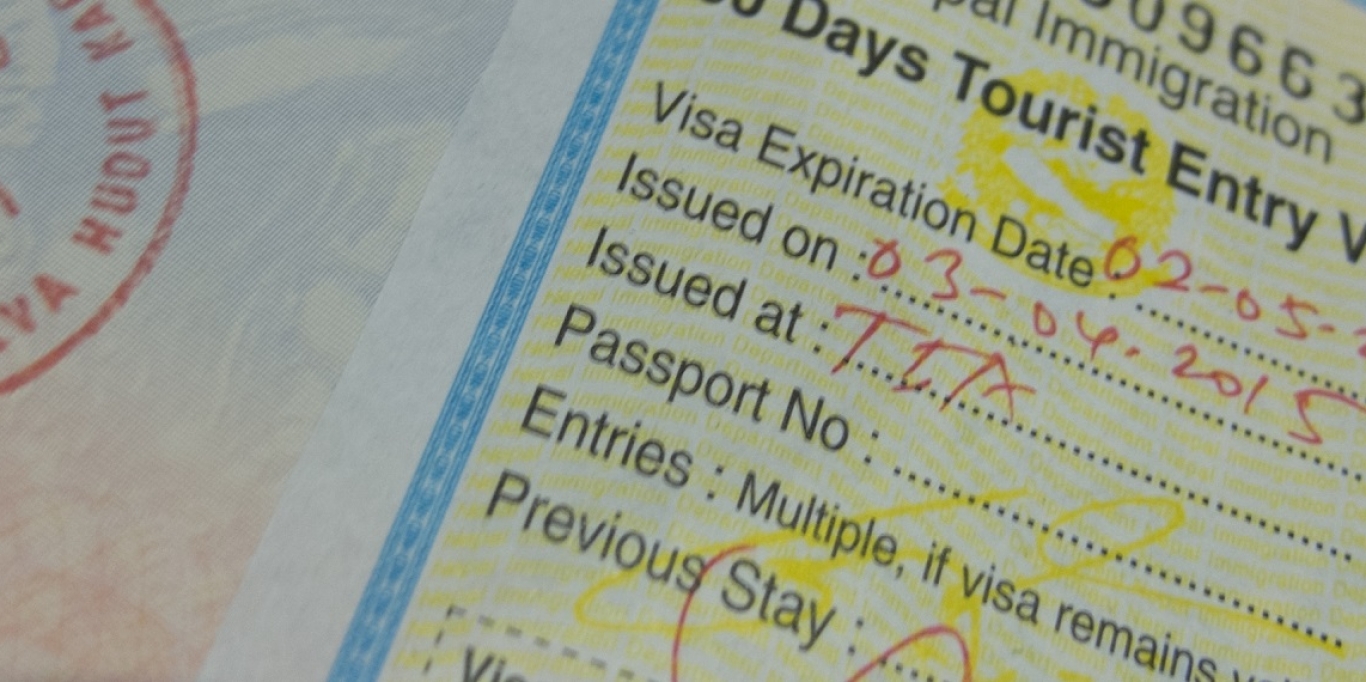
Do I need a visa specifically for visiting Chitwan? No separate visa is required beyond Nepal's standard tourist visa, which is available on arrival for most nationalities at Kathmandu's international airport or land border crossings. However, the national park entry permit is a separate, additional fee paid specifically at Chitwan, distinct from the visa itself.
Is it possible to see snow-capped mountains from Chitwan? On exceptionally clear days, particularly in the cooler months, distant Himalayan peaks can occasionally be visible from certain elevated points near Chitwan, but this is not a reliable or guaranteed feature of the trip and shouldn't be a primary reason for visiting.
Are ATMs and card payments widely available in Sauraha? ATMs exist in the main Sauraha tourist area but are not always reliable, and cash withdrawal limits can be restrictive for foreign cards. Many smaller lodges, local restaurants, and independent guides still operate primarily on cash, so it's advisable to carry sufficient Nepali rupees before arriving, particularly if venturing beyond major resorts.
What happens if it rains during my scheduled safari? Light rain does not typically cancel jeep safaris, though visibility and wildlife activity may be reduced. Heavy rain or flooding, more common in the monsoon shoulder months, can lead to safari postponement or route changes for safety reasons. Cancellation and rescheduling policies vary significantly between operators, so it's worth clarifying this before booking, especially if traveling near the edges of monsoon season.
Is tipping expected for guides and drivers? While not legally mandatory, tipping naturalist guides, jeep drivers, and canoe operators is a widely practiced and generally expected part of the tourism culture in Chitwan, similar to trekking regions elsewhere in Nepal. This is rarely mentioned upfront in package pricing, leaving some travelers unprepared for the expectation.
Conclusion
Chitwan National Park remains one of the most rewarding wildlife destinations in Asia, offering genuine chances to see rhinos, tigers, wild elephants, and rare gharial crocodiles in a UNESCO-protected ecosystem. But the marketing version of Chitwan often smooths over real costs, seasonal limitations, ethical shifts in elephant tourism, and safety realities that matter for informed travelers.
Going in with full knowledge of these details — the true cost breakdown, the honest wildlife sighting odds, the seasonal park closures, and the right questions to ask your operator — will help you plan a trip that's not just exciting, but also safe, ethical, and free of surprises.
This guide is intended for general travel planning purposes. Wildlife sightings, park regulations, seasonal closures, and pricing are subject to change; always confirm current details directly with Nepal's Department of National Parks and Wildlife Conservation or a licensed local operator before finalizing your trip.
Saroj Ghimire is the Director of Global Nepal Treks (Government Licence No. 3058, Kathmandu). He has guided over 1,000 trekkers to Everest Base Camp, Annapurna, Upper Mustang, and Island Peak since 2008. Contact: info@globalnepaltreks.com