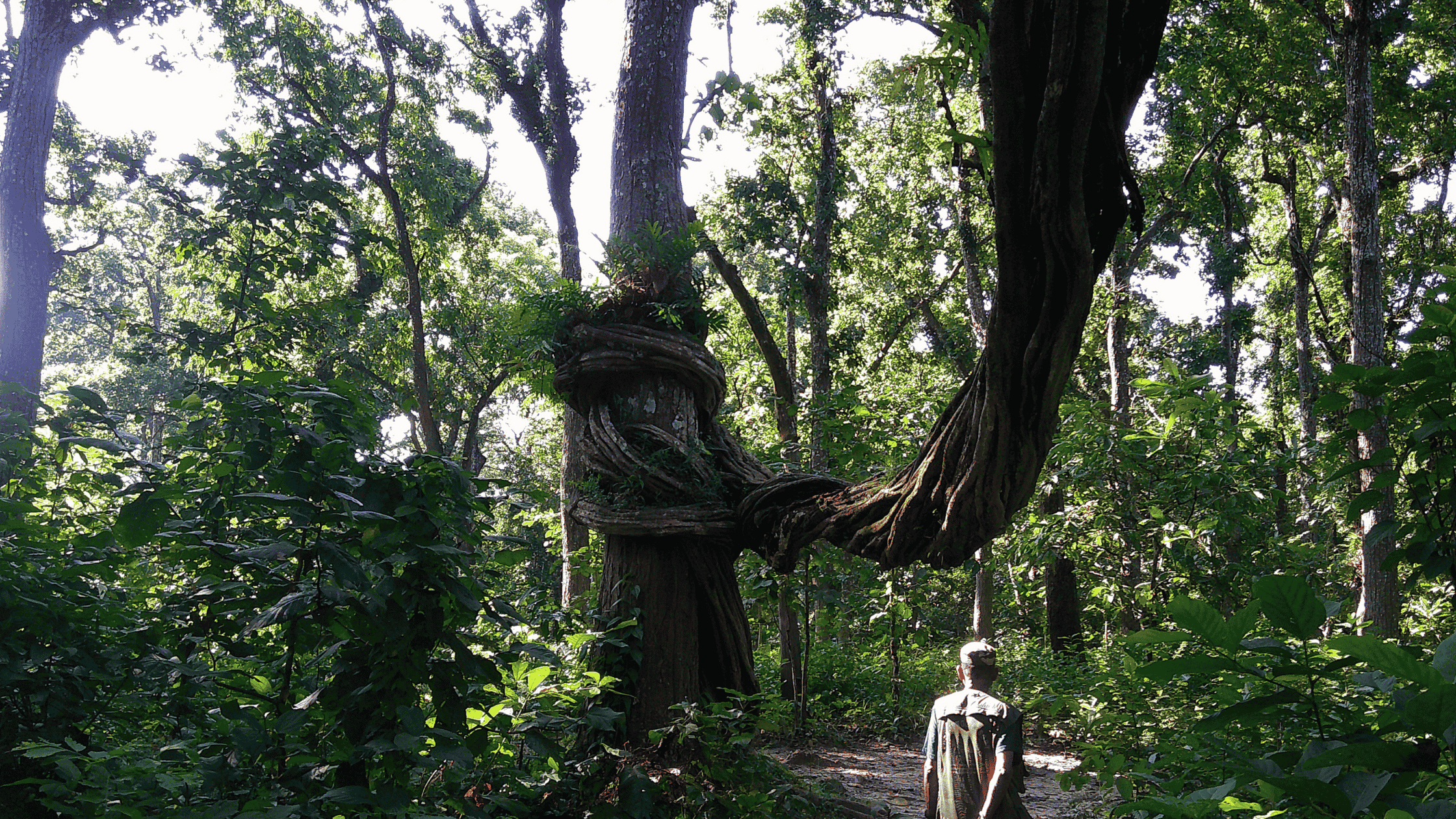
The Importance of Forest Ecosystems
Forest ecosystems are the lifeblood of our planet, providing essential services that sustain both human life and biodiversity. These natural habitats act as Earth's lungs, absorbing carbon dioxide and releasing oxygen, which is vital for all living organisms. Forests also play a crucial role in the water cycle, influencing precipitation patterns and ensuring the availability of fresh water. Their roots stabilize soil, preventing erosion and landslides, and they act as natural water filters, maintaining the purity of rivers and lakes.
Moreover, forests are home to an astonishing array of plant and animal species, many of which are yet to be discovered. They offer a sanctuary for wildlife, providing food, shelter, and breeding grounds. The complex interrelationships within forest ecosystems support a delicate balance that sustains life. From the tiniest insects to the majestic big cats, every creature plays a role in maintaining the health and diversity of these habitats.
Additionally, forests have significant economic and cultural value. They provide resources such as timber, medicinal plants, and non-timber forest products that support local economies. Indigenous communities often rely on forests for their livelihoods, and many cultures have deep spiritual connections to these natural spaces. Preserving forest ecosystems is crucial for maintaining biodiversity, supporting human well-being, and fostering a healthy planet.
Top Lush Forests to Explore
One of the most iconic lush forests in the world is the Amazon Rainforest, often referred to as the "lungs of the Earth." Spanning over nine countries in South America, it is the largest tropical rainforest on the planet. The Amazon is a biodiversity hotspot, boasting millions of species, many of which are not found anywhere else. Exploring the Amazon offers an unparalleled opportunity to witness the rich tapestry of life, from vibrant parrots and elusive jaguars to ancient trees and delicate orchids.
Another stunning forest worth exploring is the Congo Basin in Central Africa, the second-largest rainforest in the world. This dense and mysterious forest is teeming with life, including gorillas, chimpanzees, and forest elephants. The Congo Basin is also home to the Ba'Aka people, who have lived in harmony with the forest for centuries. Their deep knowledge of the land and its resources is invaluable for conservation efforts.
For those seeking a temperate forest experience, the Hoh Rainforest in Washington State, USA, offers a magical journey through towering moss-draped trees and lush undergrowth. Part of the Olympic National Park, the Hoh Rainforest receives over 140 inches of rain annually, creating a verdant paradise. Visitors can hike through its trails, marvel at the ancient Sitka spruce and western hemlock, and immerse themselves in the serene beauty of this unique ecosystem.
Unique Flora and Fauna of Lush Forests
Lush forests are havens for an incredible diversity of flora and fauna, many of which are unique to these ecosystems. In the Amazon Rainforest, for instance, you can find the giant Victoria water lily, with leaves that can reach up to 10 feet in diameter. This remarkable plant is adapted to the flooded conditions of the rainforest, and its flowers bloom at night, attracting nocturnal pollinators like beetles.
The Congo Basin is home to some of the most charismatic wildlife on the planet. Forest elephants, smaller and more elusive than their savannah counterparts, play a crucial role in seed dispersal, helping to maintain the forest's biodiversity. The basin is also a stronghold for gorillas and chimpanzees, whose complex social structures and behaviors continue to fascinate scientists and nature enthusiasts alike.
In temperate rainforests like the Hoh, the flora is dominated by towering conifers, including Sitka spruce and western hemlock. These trees can live for hundreds of years, creating a canopy that supports a rich understory of ferns, mosses, and lichens. The fauna includes species like the Roosevelt elk, which roam the forest in search of food, and the northern spotted owl, a symbol of the region's ecological health.
Sustainable Tourism in Forest Regions
As more people seek to connect with nature, sustainable tourism has become essential for preserving the integrity of forest ecosystems. Responsible travel practices ensure that visitors can enjoy these natural wonders without causing harm. This includes minimizing waste, respecting wildlife, and supporting local communities. Sustainable tourism also involves educating visitors about the importance of conservation and the unique characteristics of the ecosystems they are exploring.
Eco-lodges and guided tours are excellent ways to experience lush forests sustainably. These accommodations are designed to have minimal impact on the environment, often utilizing renewable energy sources and sustainable building materials. Guided tours, led by knowledgeable local guides, provide valuable insights into the flora, fauna, and cultural significance of the forests. They also help to ensure that visitors adhere to responsible practices while exploring these delicate ecosystems.
Moreover, sustainable tourism can provide economic benefits to local communities, offering them an alternative to activities that may harm the forest, such as logging or poaching. By supporting eco-friendly initiatives, travelers can contribute to the conservation of these vital ecosystems. This symbiotic relationship between tourism and conservation helps to protect forests for future generations while allowing people to experience the magic of these natural spaces.
The Role of Forests in Climate Change Mitigation
Forests play a pivotal role in mitigating climate change by acting as carbon sinks, absorbing more carbon dioxide than they release. This process helps to offset greenhouse gas emissions from human activities, such as the burning of fossil fuels. The vast amounts of carbon stored in forest biomass and soils make these ecosystems crucial in the global fight against climate change. Protecting and restoring forests can significantly enhance their capacity to sequester carbon and mitigate global warming.
Reforestation and afforestation efforts are essential strategies for enhancing the carbon sequestration potential of forests. Reforestation involves planting trees in areas where forests have been depleted, while afforestation refers to creating new forests on lands that were not previously forested. These initiatives not only sequester carbon but also restore biodiversity, improve soil health, and support water cycles. Successful reforestation projects often involve local communities, ensuring that they benefit from the restored ecosystems.
However, forests are also vulnerable to the impacts of climate change, including increased temperatures, altered precipitation patterns, and more frequent extreme weather events. These changes can affect forest health, making them more susceptible to pests, diseases, and wildfires. Therefore, protecting existing forests and implementing adaptive management strategies are crucial for maintaining their resilience and capacity to mitigate climate change.
Adventure Activities in Lush Forests
Lush forests offer a plethora of adventure activities that allow visitors to immerse themselves in nature while experiencing the thrill of exploration. Hiking is one of the most popular activities, with trails ranging from easy walks to challenging treks through remote wilderness. Many forests have well-maintained trails that lead to breathtaking viewpoints, waterfalls, and other natural wonders. Hiking not only provides physical exercise but also an opportunity to observe the diverse flora and fauna up close.
For those seeking a more adrenaline-pumping experience, zip-lining through the forest canopy offers a unique perspective of the treetops and the wildlife that inhabits them. Zip-line courses often include multiple lines of varying lengths and heights, providing an exhilarating way to explore the forest from above. This activity allows participants to appreciate the forest's vertical complexity and the interconnectedness of its layers.
Birdwatching is another popular activity in lush forests, attracting enthusiasts from around the world. Forests are home to a vast array of bird species, some of which are endemic or rare. Equipped with binoculars and field guides, birdwatchers can spend hours observing and identifying different species, from colorful parrots and toucans to elusive owls and raptors. Birdwatching fosters a deep appreciation for biodiversity and the intricate behaviors of avian life.
Cultural Significance of Forests
Forests have profound cultural significance for many communities around the world. They are often seen as sacred spaces, imbued with spiritual meaning and revered in various cultural practices and traditions. Indigenous peoples, in particular, have a deep connection to the land, viewing forests as ancestral homes and sources of identity. These communities possess extensive knowledge of the forest's resources, which they use sustainably for food, medicine, and shelter.
In many cultures, forests feature prominently in folklore and mythology, symbolizing mystery, adventure, and the unknown. Stories of enchanted forests, magical creatures, and heroic quests have been passed down through generations, reflecting the human fascination with these natural landscapes. These narratives often highlight the forest's role as a place of transformation and discovery, where individuals undergo significant personal growth.
Forests also inspire art, literature, and music. The beauty and tranquility of these natural spaces have inspired countless works of art, from landscape paintings to poetic verses. Musicians and composers have drawn upon the sounds of the forest, incorporating bird calls, rustling leaves, and flowing streams into their compositions. By capturing the essence of the forest, artists help to convey its importance and foster a deeper connection between people and nature.
Conservation Efforts for Protecting Forests
Conservation efforts are critical for protecting forests and ensuring their long-term health and sustainability. One of the most effective strategies is the establishment of protected areas, such as national parks and wildlife reserves. These areas provide legal protection against activities that could harm the forest, such as logging, mining, and agricultural expansion. By preserving large tracts of forest, protected areas help to maintain biodiversity and ecosystem services.
Community-based conservation initiatives also play a vital role in forest protection. These programs involve local communities in the management and stewardship of forest resources, recognizing their traditional knowledge and practices. By empowering communities to take an active role in conservation, these initiatives foster a sense of ownership and responsibility. Additionally, they provide economic incentives, such as ecotourism and sustainable harvesting, that support both conservation and livelihoods.
International cooperation is essential for addressing the global challenges facing forests, including illegal logging, wildlife trafficking, and climate change. Organizations such as the United Nations, World Wildlife Fund, and Conservation International work with governments, NGOs, and local communities to implement conservation policies and practices. These collaborations help to strengthen enforcement, promote sustainable management, and raise awareness about the importance of forests.
Conclusion: Embracing the Beauty of Nature
Lush forests are among the most enchanting and vital ecosystems on our planet. From the towering trees of the Amazon Rainforest to the moss-draped conifers of the Hoh Rainforest, these natural spaces offer a glimpse into the incredible diversity and complexity of life. They provide essential services that sustain human well-being, support a myriad of plant and animal species, and play a crucial role in mitigating climate change.
By exploring and appreciating lush forests, we can foster a deeper connection to nature and recognize the importance of conservation. Sustainable tourism practices ensure that we can enjoy these natural wonders without causing harm, while supporting local communities and economies. Adventure activities, cultural significance, and the unique flora and fauna of forests all contribute to their allure and significance.
Ultimately, the protection and preservation of lush forests are essential for the health of our planet and future generations. By embracing the beauty of nature and supporting conservation efforts, we can ensure that these magical ecosystems continue to thrive. Let us commit to safeguarding the forests and the many wonders they hold, so that they may continue to inspire and sustain us for years to come.