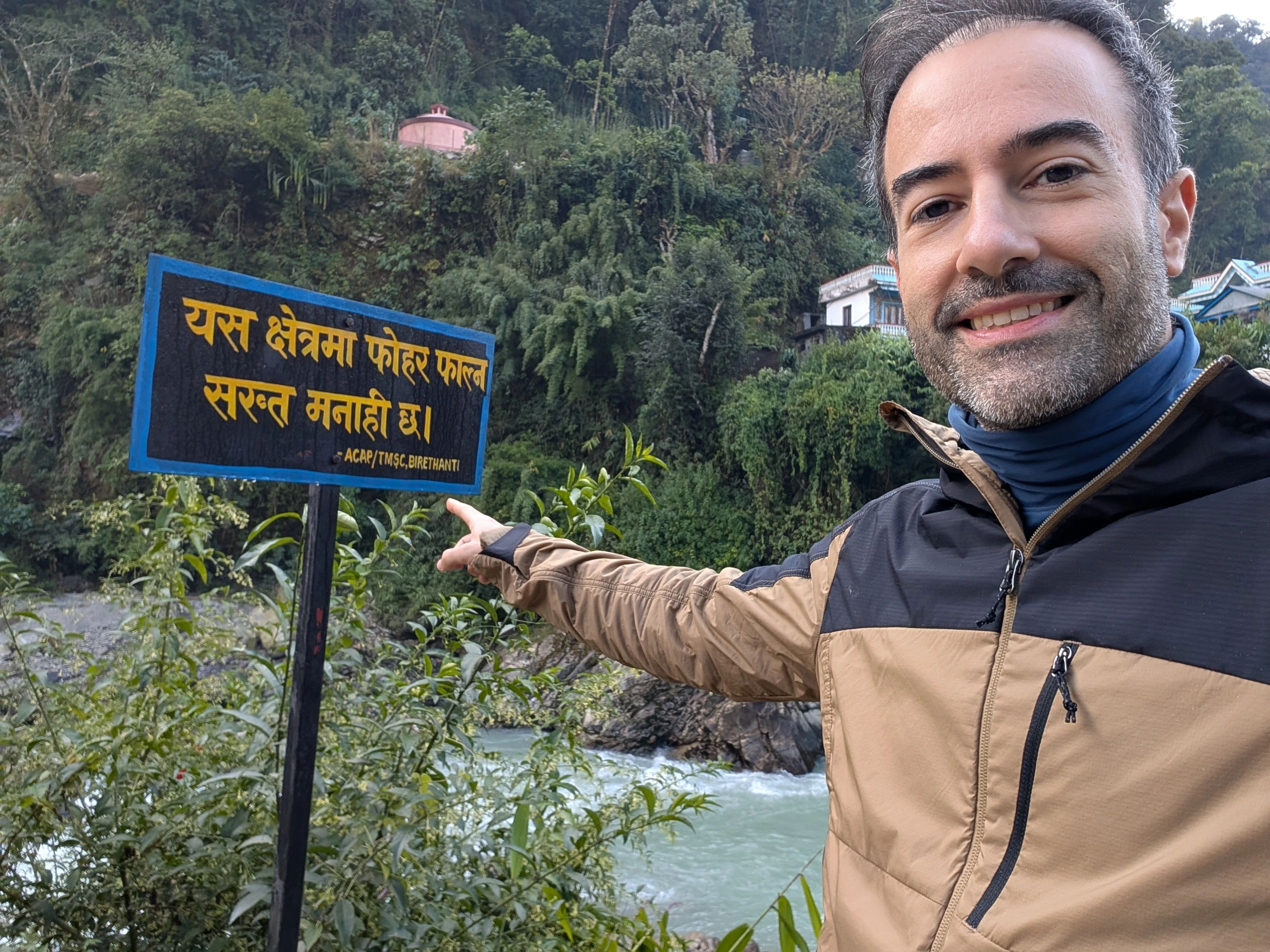
Eco-Tourism: Exploring Nature Responsibly in Nepal's Tsum Valley
Nestled within the majestic Himalayas of Nepal lies the serene and untouched Tsum Valley, a haven for eco-tourism enthusiasts seeking to immerse themselves in nature while treading lightly on the environment. Tsum Valley, also known as the "Hidden Valley of Happiness," offers a unique opportunity to explore pristine landscapes, cultural treasures, and diverse wildlife sustainably and responsibly.
What is Eco-Tourism?
Eco-tourism represents a responsible approach to travel that prioritizes environmental conservation, supports local communities, and educates visitors about natural and cultural heritage. Unlike conventional tourism, which can degrade ecosystems and disrupt traditional ways of life, eco-tourism seeks to minimize negative impacts while maximizing benefits for both nature and local people. In fragile mountain environments like the Himalayas, these principles become especially critical.
Tsum Valley: A Model for Eco-Tourism
As visitors venture into the heart of Tsum Valley, they are greeted by breathtaking vistas of snow-capped peaks, lush forests, and meandering rivers. The valley is home to a rich biodiversity, including rare species such as the snow leopard, Himalayan tahr, and red panda, making it a paradise for wildlife enthusiasts and nature photographers. The relatively untouched nature of this region provides a living laboratory for understanding how tourism can coexist with conservation.
However, the allure of Tsum Valley goes beyond its natural beauty. The region is steeped in cultural heritage, with ancient monasteries, chortens, and prayer flags dotting the landscape. Visitors have the opportunity to interact with the local communities, predominantly inhabited by the Tsumbas, who follow Tibetan Buddhist traditions and maintain a deep connection with the land. These communities have preserved their way of life for centuries, and eco-tourism offers a path to maintain their cultural integrity while benefiting from visitor engagement.
Responsible Tourism Initiatives in Tsum Valley
To ensure the preservation of Tsum Valley's pristine environment and cultural heritage, eco-tourism practices are paramount. Local authorities and community-based organizations have implemented various initiatives to promote responsible tourism:
- Waste management programs: Systems for collecting, sorting, and removing non-biodegradable waste from the valley, preventing the accumulation of trash that plagues more popular trekking routes.
- Sustainable trekking routes: Designated trails that minimize erosion and disturbance to wildlife habitats while providing safe passage for trekkers.
- Conservation efforts: Protection of critical habitats for endangered species and reforestation projects in areas affected by fuelwood collection.
- Community-managed tourism: Local involvement in decision-making ensures that tourism benefits flow to residents rather than outside interests.
How Travelers Can Practice Responsible Eco-Tourism
Visitors to Tsum Valley and other sensitive environments can contribute to sustainability through conscious choices:
- Minimize ecological footprint: Practice Leave No Trace principles by packing out all non-biodegradable waste, using reusable water bottles, and staying on designated trails to prevent erosion.
- Respect wildlife: Observe animals from a distance without disturbing their natural behaviors. Never feed wildlife, as this alters their natural foraging patterns.
- Honor local customs: Dress modestly, ask permission before photographing people, learn basic greetings in the local language, and respect religious sites by walking clockwise around stupas and removing shoes before entering monasteries.
- Support eco-friendly accommodations: Choose lodges and teahouses that demonstrate commitment to sustainable practices, such as solar heating, proper waste disposal, and locally sourced food.
- Engage with local guides: Guided trekking tours led by knowledgeable local guides offer insights into the region's ecology, culture, and conservation initiatives, fostering a deeper appreciation for Tsum Valley's natural and cultural treasures while providing employment for community members.
- Contribute to conservation: Some trekking companies and local organizations accept donations for conservation projects or community development initiatives.
The Benefits of Eco-Tourism for Local Communities
When practiced responsibly, eco-tourism creates a virtuous cycle of benefits:
- Economic opportunities: Local people find employment as guides, porters, lodge operators, and artisans, reducing pressure to engage in less sustainable livelihoods.
- Cultural preservation: Economic value placed on traditional knowledge, crafts, and practices incentivizes their continuation rather than abandonment.
- Environmental awareness: Communities that benefit from tourism become active stewards of their natural resources, protecting forests, wildlife, and water sources.
- Infrastructure development: Responsible tourism can fund improvements in trails, communication, and community facilities that benefit both residents and visitors.
Challenges and Ongoing Efforts
Despite the ideal of eco-tourism, challenges remain in Tsum Valley and similar destinations. Increasing visitor numbers, if not carefully managed, can overwhelm fragile ecosystems. Climate change poses additional threats to mountain environments, accelerating glacier melt and altering habitats. Local organizations continue working to balance tourism development with conservation through monitoring programs, visitor education, and adaptive management strategies.
Conclusion: Your Role in Responsible Travel
By embracing eco-tourism principles, travelers can experience the beauty of Tsum Valley while contributing to its long-term sustainability and preservation. Every choice—from the gear we carry to the accommodations we select, from the guides we hire to the souvenirs we purchase—shapes the impact of our visit. Together, we can ensure that future generations have the opportunity to marvel at the wonders of this pristine Himalayan sanctuary and others like it around the world.
Global Nepal Treks is committed to responsible tourism practices, including supporting community-managed initiatives, training guides in sustainable practices, and educating clients about minimizing their environmental footprint. Contact us to learn more about eco-friendly trekking options in Tsum Valley and other regions of Nepal.
Website: www.globalnepaltreks.com
Email: info@globalnepaltreks.com