Nepal Wins "Top Hiking Destination" at Diplomatic Travel Awards 2026
A Nation That Earns Every Step
By: Travel & Diplomacy Desk
Nepal did not stumble into the spotlight. It climbed there — one ridge, one valley, and one warm namaste at a time. At the prestigious Diplomatic Travel Awards 2026, the world formally recognized what seasoned trekkers have known for generations: Nepal stands alone as the planet's Top Hiking Destination. This recognition is not simply a trophy for a tourism board shelf. It signals a tectonic shift in how the global travel community values culture, nature, adventure, and human connection — all of which Nepal delivers in extraordinary abundance.
A Victory Rooted in the Mountains
The Diplomatic Travel Awards draws its authority from a rigorous evaluation framework that scrutinizes trail infrastructure, ecological preservation, cultural integrity, government policy, visitor experience, and international accessibility. Nepal earned top marks across every category. The judges cited the country's iconic trail network spanning over 3,000 kilometers, its thriving network of teahouses that transform a demanding multi-week trek into a human experience, and a local hospitality culture that competitors simply cannot replicate.
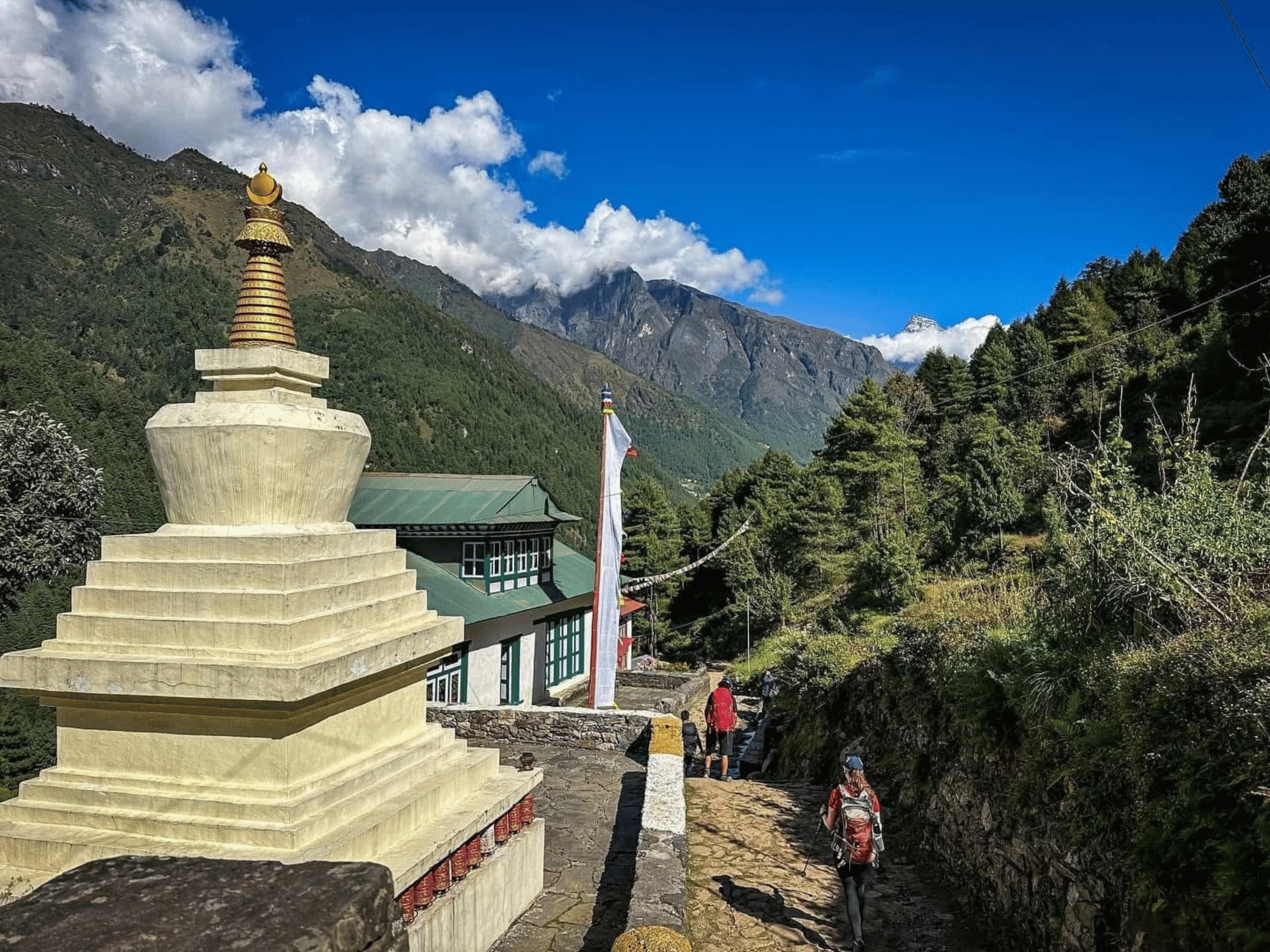
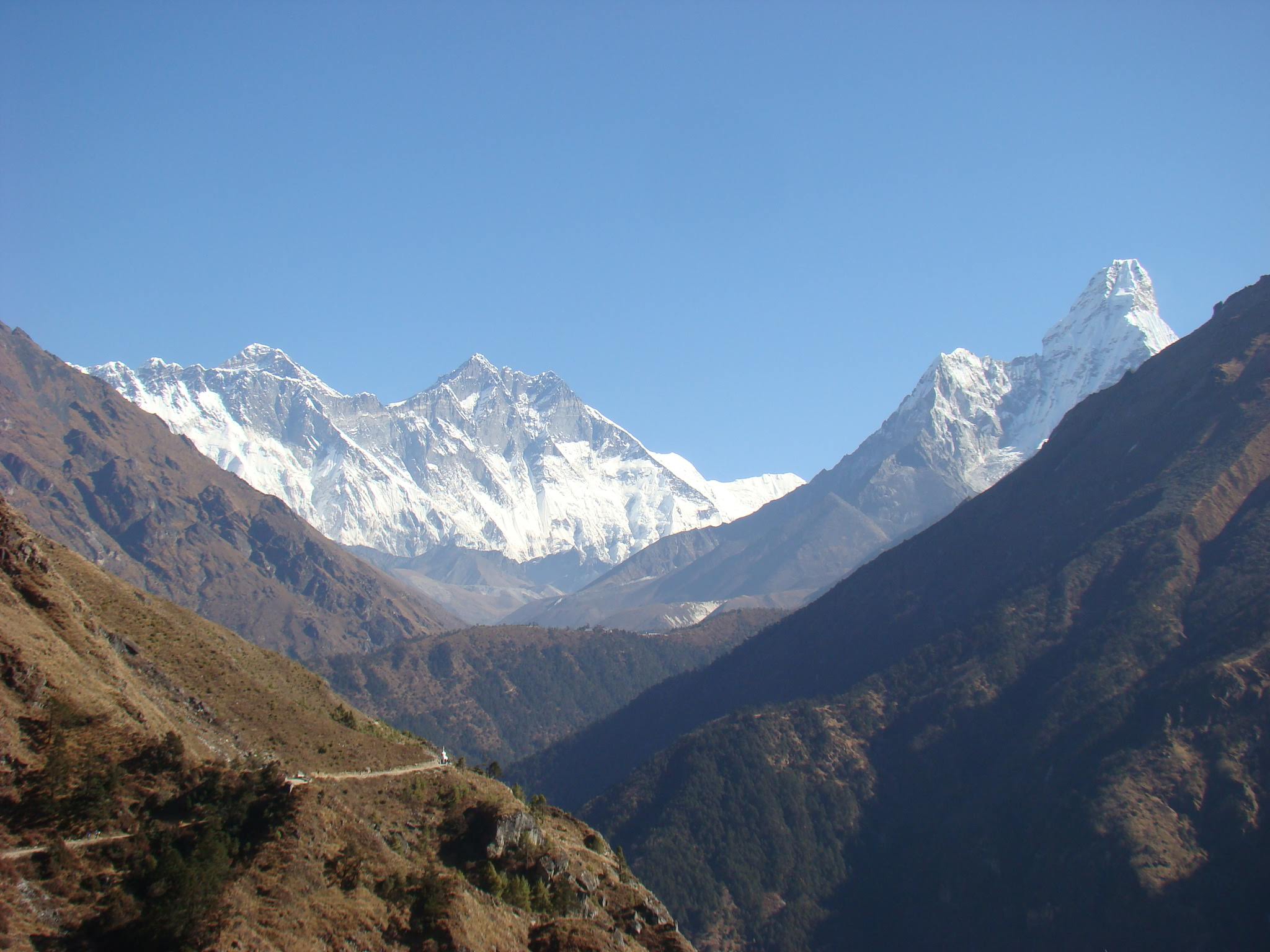
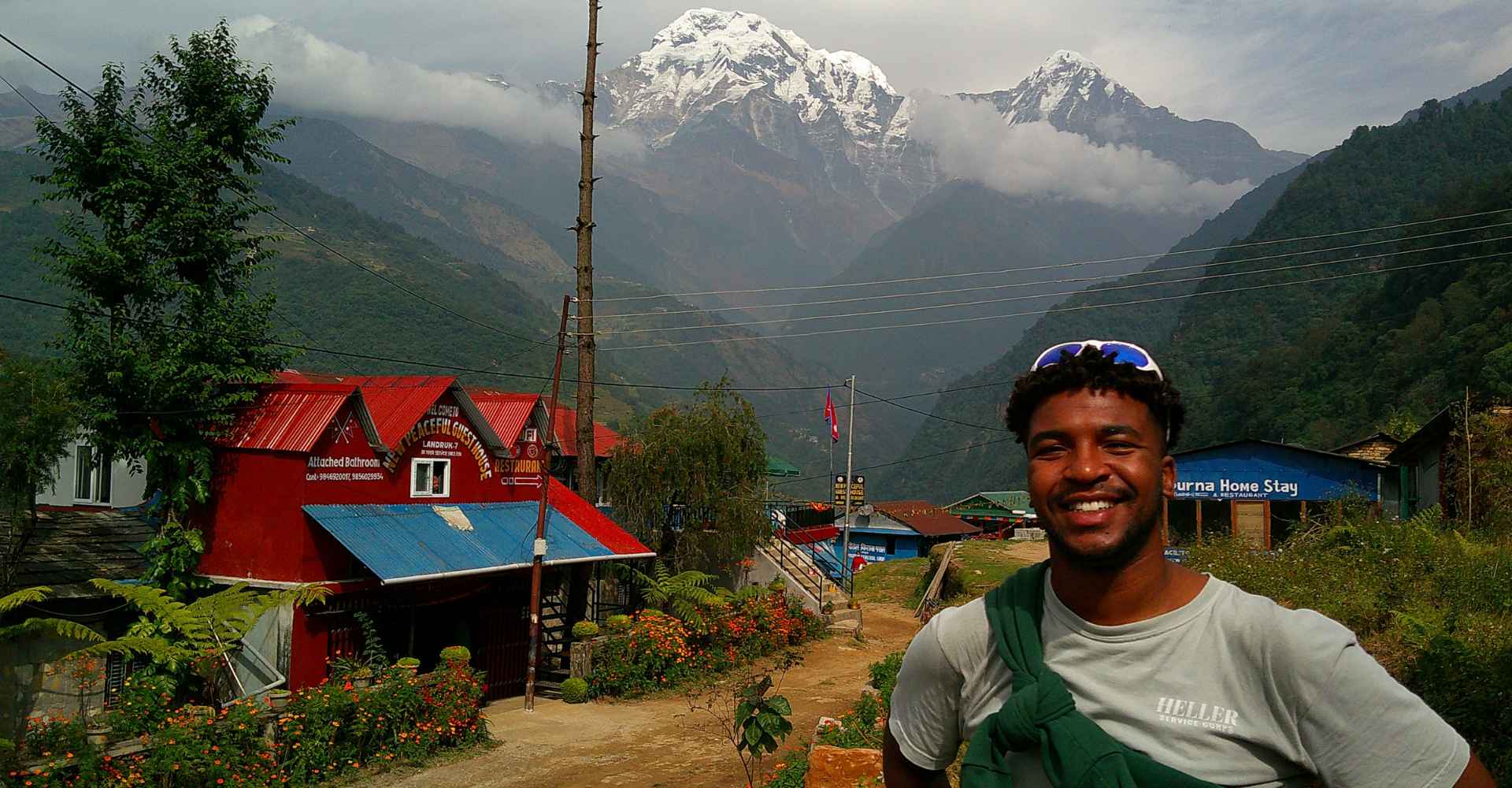
From the legendary Everest Base Camp trail threading through Sagarmatha National Park to the remote wilderness of the Great Himalaya Trail and the spiritual grandeur of the Annapurna Circuit, Nepal offers hikers a lifetime of discovery. These trails do not merely pass through beautiful scenery — they connect trekkers with Sherpa communities, Buddhist monasteries, rhododendron forests, glacier lakes, and skies so clear the Milky Way feels within arm's reach.
The Tourism Sector Stands at a Historic Inflection Point
This award arrives at a defining moment for Nepal's tourism economy. The government's Visit Nepal Campaign 2025-2026 set ambitious targets, and the Diplomatic Travel Award validates every investment made toward them. Nepal welcomed over 1.2 million international trekkers and tourists in the past twelve months, generating foreign exchange revenue that sustains tens of thousands of families across mountain communities.
The trekking sector alone supports a vast employment ecosystem — from licensed trekking guides and altitude medics to equipment rental companies, tea house operators, and mule handlers who keep supply chains alive at elevation. The award increases Nepal's visibility on premium travel platforms, pushing destination searches higher and directly boosting bookings for the upcoming autumn trekking season — consistently the country's most competitive window between October and December.
Nepal's Ministry of Tourism now holds a powerful new marketing asset. Every digital campaign, every international travel expo booth, and every airline partnership negotiation can anchor itself to a globally recognized award that carries diplomatic credibility.
Culture and Community: The Soul Behind the Summit
What separates Nepal from every other mountain destination is not altitude — it is people. The Sherpa people of the Khumbu region carry a knowledge of the high Himalayas passed down across generations. The Gurung and Magar communities of the Annapurna foothills welcome strangers into their homes with a generosity that reshapes how travelers see the world. Tibetan-influenced Buddhist culture infuses the trail experience with prayer flags, mani stone walls, and monastery bells that ring across snowfields at dawn.
The Diplomatic Travel Awards jury specifically highlighted Nepal's success in community-based tourism — a model where trekking revenue flows directly to local villages rather than disappearing into large corporate pipelines. Initiatives like the Tsum Valley Community Trekking Program and homestay networks across the Langtang region demonstrate that sustainable tourism and cultural preservation can reinforce each other rather than conflict.
Nepal protects this cultural identity fiercely. Trekkers are not passing through a theme park — they are guests in living communities that have shaped Himalayan civilization for over a thousand years.
Adventure and Accessibility: A Trail for Every Trekker
One of Nepal's greatest competitive advantages is the sheer diversity of its trail offerings. The country does not demand extreme athleticism to reward visitors. A first-time hiker can walk the Poon Hill route in four days and stand at 3,210 meters above sea level watching the Dhaulagiri and Annapurna massifs catch fire at sunrise. A seasoned mountaineer can tackle the Three Passes Trek above 5,000 meters or attempt one of Nepal's fourteen 8,000-meter peaks.
This accessibility spectrum means Nepal attracts families, solo travellers, corporate wellness groups, professional athletes, and everyone between. The country has also invested significantly in altitude safety infrastructure — Himalayan Rescue Association clinics at Pheriche and Manang treat altitude sickness, and the proliferation of WIRES rescue services and helicopter evacuation networks give international visitors confidence in their safety.
International airlines including Qatar Airways, Turkish Airlines, and Air India continue to expand their Kathmandu routes, reflecting growing global demand and making Nepal more accessible from every major hub than at any point in its history.
Environmental Stewardship: Protecting What the World Comes to See
Nepal understands a hard truth: the mountains that attract the world are also the mountains most vulnerable to human impact. In direct response, the country has implemented some of Asia's most progressive trekking regulations. The Sagarmatha Pollution Control Committee mandates waste management across the Everest region. Single-use plastic bans now apply across multiple national parks. Trekker permit revenues fund trail maintenance and reforestation projects in partnership with conservation NGOs.
The country's four UNESCO World Heritage Sites — including Sagarmatha National Park and the Kathmandu Valley — operate under preservation frameworks that balance visitor access with ecological protection. Nepal was also among the first Himalayan nations to formally integrate climate-resilient trail design into its infrastructure planning, acknowledging that glacial retreat and shifting monsoon patterns require proactive adaptation.
This environmental leadership formed a key pillar of the Diplomatic Travel Awards evaluation, distinguishing Nepal from destinations that prioritize volume over sustainability.
The Diplomatic Dimension: Soft Power Through Shared Trails
Receiving a Diplomatic Travel Award carries meaning beyond the tourism sector. It amplifies Nepal's international soft power at a moment when the country actively deepens ties with major economies across Asia, Europe, and North America. Heads of state, diplomats, and cultural attachés from across the world have walked Nepal's trails — and those shared physical experiences build durable goodwill that formal diplomacy alone cannot manufacture.
The award positions Nepal as a model for developing nations that seek to leverage natural and cultural heritage as instruments of economic growth and international prestige. Countries across South Asia, Central Asia, and Sub-Saharan Africa now watch Nepal's tourism governance model with serious interest.
Looking Forward: The Summit Is Not the End
Nepal has always understood that reaching the summit is only half the journey — you still have to get down, and you plan for the next climb before you've caught your breath. The Diplomatic Travel Award 2026 marks a milestone, not a finish line.
The country's trekking infrastructure pipeline includes expanded electric vehicle connectivity from Kathmandu to trailhead gateways, new mountain biking corridors in the Mustang and Manaslu regions, and a forthcoming digital permit system that streamlines entry for international trekkers across thirty major routes.
Nepal does not dream small. It plans at altitude — and the world is finally catching up.
Book Your Himalayan Adventure →
Long-tail tags: Nepal best hiking destination award 2026, Diplomatic Travel Awards winners, why Nepal is top for trekking, Everest Base Camp recognition, Annapurna Circuit award, sustainable tourism Nepal, community based trekking Nepal, Himalayan conservation efforts