Everest Base Camp Trek: A Guide for Every Kind of Traveler
No two trekkers walk the same trail for the same reasons. A solo adventurer, a family with kids, a retired couple, a gap-year student, a school group, or a team of professionals on a break — each needs a different kind of preparation, pacing, and support. Here's how Global Nepal Treks tailors the Everest Base Camp experience for each.
Solo Trekkers
Preparation
Solo doesn't mean unsupported. We ask solo trekkers to build cardio fitness for at least 6–8 weeks before departure — stair climbing, hiking with a loaded pack, and long walks all help. We also brief solo travelers individually on altitude acclimatization, packing lists, and what to expect day-by-day, so nothing on the trail comes as a surprise.
Food
Solo trekkers often worry about eating alone. In practice, teahouse dining rooms are communal — you'll share tables, stories, and menus with other trekkers most nights. We recommend carbohydrate-heavy meals (dal bhat, noodles, potatoes) for sustained energy, and we guide solo travelers on safe food choices to avoid stomach upset at altitude.
Teamwork & Companionship
Even trekking solo, you're rarely truly alone. Joining a fixed departure group means built-in companionship without the commitment of organizing a group yourself. Many solo trekkers form fast friendships with fellow travelers and guides, and it's common for solo trekkers to finish the trip with new hiking partners for life.
Other Considerations
A private guide is available for those who prefer total flexibility in pace and rest days.
Solo female travelers can request a female guide or join women-only departures.
Emergency contacts and travel insurance details are collected before departure for extra peace of mind.
Family Treks
Preparation
Trekking with children or multiple generations requires realistic pacing. We recommend families start with shorter practice hikes months in advance, and involve kids in the planning — packing their own daypack, choosing snacks, learning a few words of Nepali. For younger children, we suggest a slightly longer itinerary with built-in rest days to reduce altitude strain.
Food
Family groups often want familiar, comforting food alongside local dishes. Teahouses along the route serve pasta, pancakes, soup, and simple rice dishes that are easy on younger stomachs. We help families plan snack supplies — energy bars, dried fruit, electrolyte powders — to keep kids fueled between meals.
Teamwork
A family trek works best as a team effort. We encourage parents to assign small responsibilities to children — checking the map, keeping a trail journal, leading the group into a village — so the trek becomes a shared achievement rather than something done to the kids. Guides are experienced at keeping family morale high on tougher days.
Other Considerations
Family-friendly lodges are prioritized for their comfort and cleanliness.
Itineraries can be adjusted with extra acclimatization days for younger or older family members.
A dedicated family guide helps manage pace, safety, and encouragement throughout.
Senior & Older Trekkers
Preparation
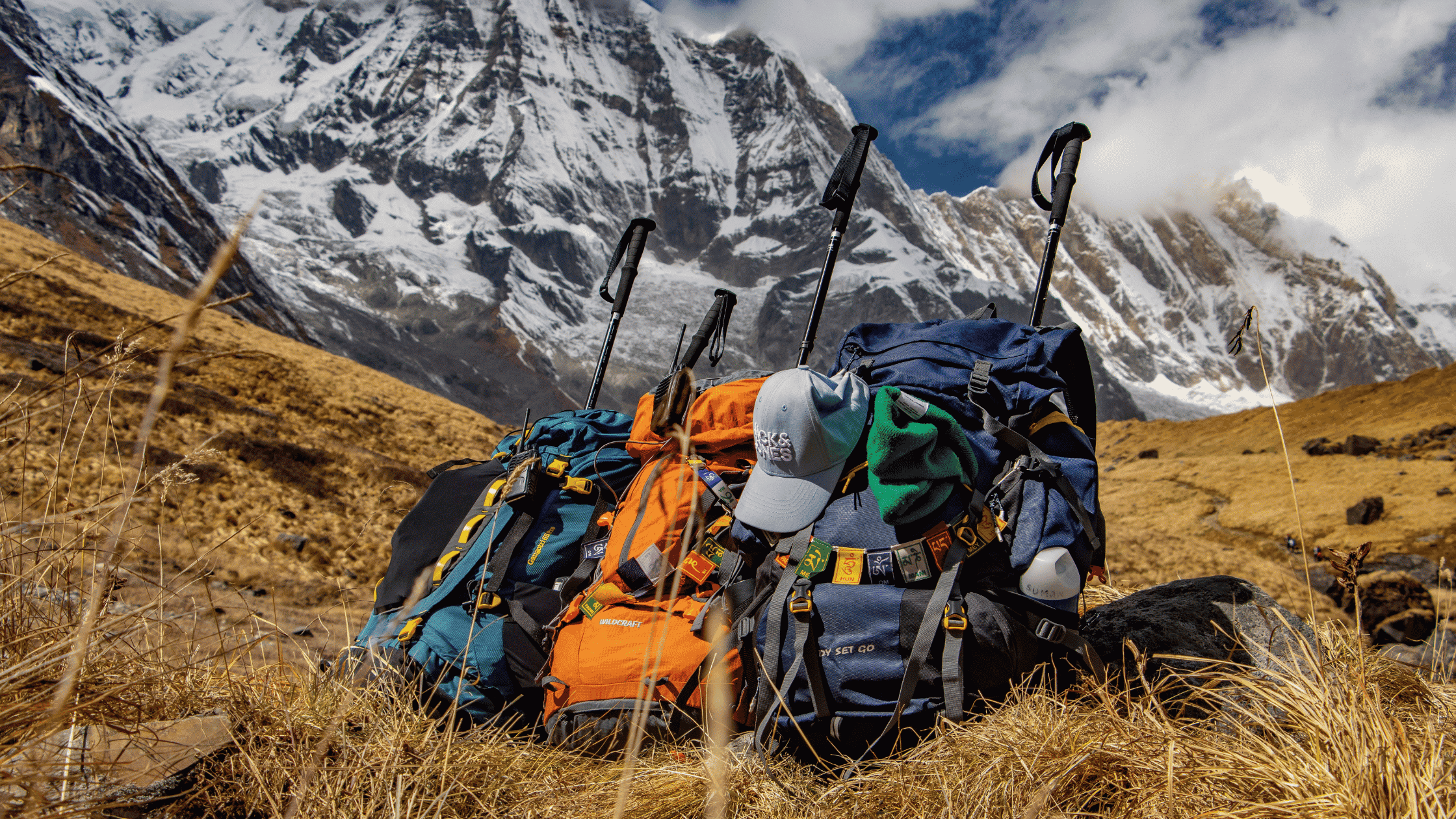
Age is not a barrier to Everest Base Camp — preparation is what matters. We advise senior trekkers to get a medical check-up before booking, focus on low-impact cardio (walking, swimming, cycling) for several months prior, and practice with a daypack to build comfort with sustained walking at altitude. Trekking poles are strongly recommended for knee support on descents.
Food
Digestive comfort becomes more important with age. We guide senior trekkers toward simple, well-cooked meals — soups, porridge, rice, and steamed vegetables — and emphasize steady hydration, since dehydration risk increases with altitude regardless of fitness level.
Teamwork
Older trekkers often set a valuable pace for the group: slower, steadier, and more attentive to the surroundings. Guides build in more frequent rest stops and closely monitor for early signs of altitude sickness, since older trekkers benefit from a conservative, safety-first ascent profile.
Other Considerations
Extra acclimatization days are built into senior-friendly itineraries.
A helicopter return option is available for those who prefer to save their knees the long descent.
Guides carry a pulse oximeter to monitor oxygen saturation daily.
Gap Year Students
Preparation
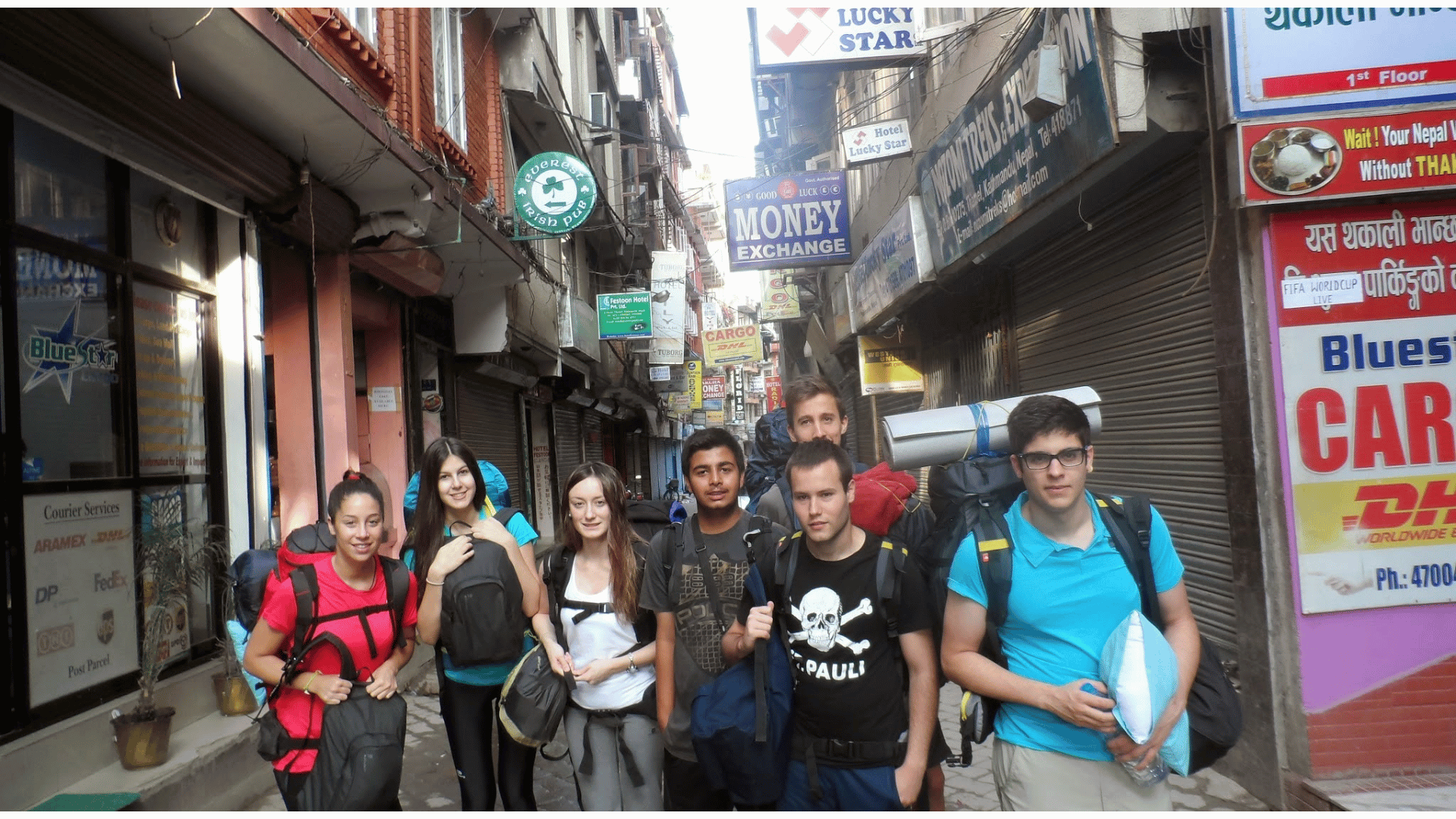
For many gap-year trekkers, Everest Base Camp is a personal milestone before university or a career. We recommend building fitness through regular cardio and long weekend hikes, and using the months before departure to research Sherpa culture and Himalayan geography — it deepens the experience significantly. Budgeting matters too: we help gap-year travelers plan realistic costs for gear, permits, and extras like Wi-Fi or hot showers.
Food
Gap-year trekkers are often more adventurous with food and open to trying local specialties — try the momos, Sherpa stew, and garlic soup (a trail favorite believed to help with acclimatization). We still recommend caution with meat at higher altitudes, where freshness can't always be guaranteed.
Teamwork
Gap-year travelers frequently trek in small groups formed with other independent travelers — a great way to build lasting friendships and travel networks. Group treks also teach practical teamwork skills: sharing gear, supporting slower group members, and problem-solving together when weather or trail conditions shift.
Other Considerations
Combine the trek with a broader Nepal itinerary — Chitwan, Pokhara, or a longer Himalayan circuit.
Volunteering or homestay add-ons can be arranged before or after the trek.
Flexible departure dates suit open-ended gap-year travel plans.
School Groups
Preparation
School treks demand structured preparation. We work with teachers months in advance on fitness plans, packing lists, and pre-trip briefings covering altitude awareness, trail safety, and group conduct. Parental consent, medical forms, and travel insurance are confirmed before departure, and we recommend a shorter, gentler itinerary suited to younger trekkers.
Food
Meals are planned with student groups in mind — familiar, energy-dense, and easy to digest. We coordinate with teachers on dietary restrictions and allergies in advance, and always carry extra snacks to keep energy levels stable throughout the day.
Teamwork
School treks are as much about character-building as reaching Base Camp. Guides run daily briefings that build group responsibility — buddy systems, rotating roles, and shared decision-making. Many schools use the trek as a leadership and resilience exercise, and it's often one of the most formative trips of a student's school life.
Other Considerations
A higher guide-to-student ratio is maintained for safety.
Daily check-ins with teachers and emergency protocols are agreed in advance.
Certificates of completion are available for students at the end of the trek.
Professional & Corporate Groups
Preparation
For professionals, time is often the biggest constraint. We help design efficient itineraries that maximize the experience within limited leave time, without compromising safe acclimatization. Fitness prep can be squeezed into existing routines — stair intervals, weekend hikes, and short pack-carrying walks are usually enough with 6–8 weeks' notice.
Food
Professional groups often appreciate a mix of local and hearty Western-style meals to keep energy up for long trekking days. We also advise on staying off alcohol and caffeine at altitude, even though teahouses offer both — both can worsen dehydration and sleep quality on the trail.
Teamwork
A trek strips away office hierarchy fast. Colleagues who trek together often say it reshapes how they work as a team — shared hardship builds trust quickly, and the trail has a way of surfacing leadership and support in ways the office never does. Many corporate groups use the trek deliberately as a team-building exercise for this reason.
Other Considerations
Group sizes and pacing can be tailored to fit a fixed number of vacation days.
A helicopter return option saves time for professionals with tight schedules.
Post-trek debriefs or team reflection sessions can be arranged on request.
What Every Trekker Shares
Regardless of who you're trekking with, a few things hold true for everyone on the way to Everest Base Camp:
Acclimatize properly. Rushing the ascent is the single biggest risk factor for altitude sickness, at any age or fitness level.
Hydrate constantly. Altitude dehydrates faster than you expect, even on cool days.
Trust your guide. Local guides read weather, altitude symptoms, and trail conditions better than any app or guidebook.
Pack layers, not bulk. Temperature swings from teahouse to summit day are extreme.
Expect to be humbled — and rewarded. Every group, whatever their age or background, describes the same feeling at Kala Patthar: it was harder than expected, and worth every step.
Ready to Trek With the Right Group for You?
Whether you're heading out solo, bringing the whole family, taking on a gap-year milestone, leading a school group, or building your team's resilience together, Global Nepal Treks builds the itinerary, pacing, and support around your group — not the other way around.
Get in touch with Global Nepal Treks to start planning a trek that fits exactly who you're traveling with.