Mount Kailash Mansarovar Yatra: What You Need to Know
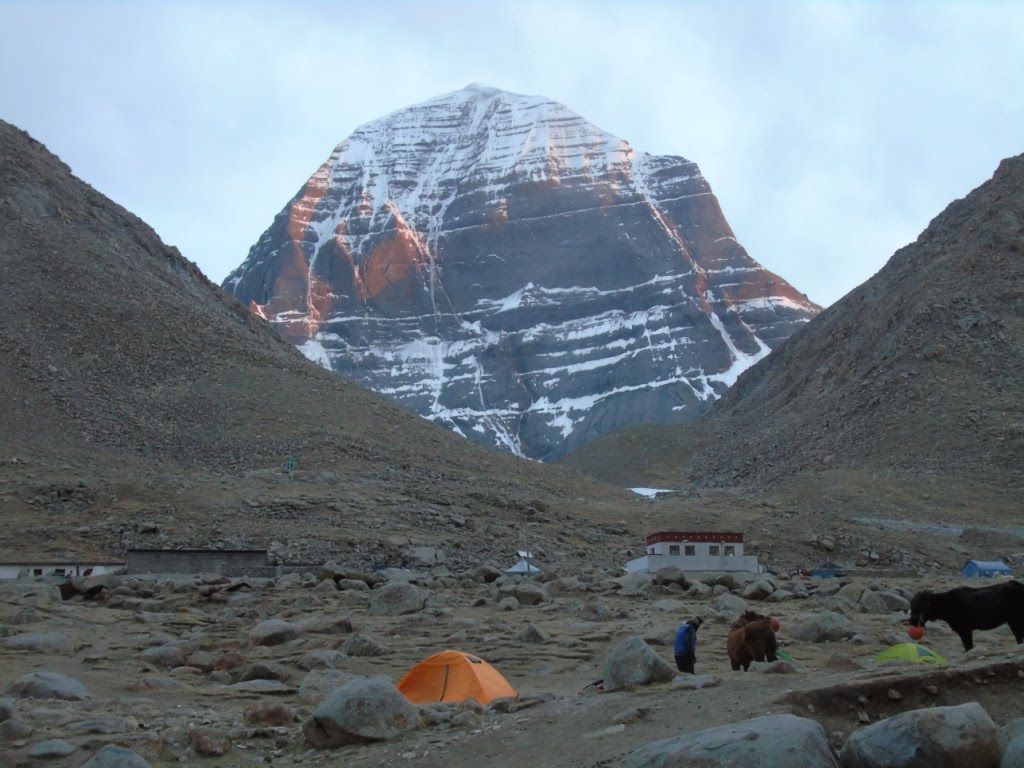
Mount Kailash rises 6,638m in western Tibet, and for millions across four religions it's one of the most sacred places on Earth. Every year, pilgrims and trekkers travel from Nepal, India, and beyond to complete the Kailash Parikrama — the ritual circuit around the mountain — and to visit the shores of Lake Mansarovar nearby. This guide covers the essentials: why the journey matters, when to go, how the route generally works, and what to prepare before you travel.
Why Mount Kailash Is Sacred
Mount Kailash is revered in Hinduism as the abode of Lord Shiva, in Buddhism as the home of Demchok (Chakrasamvara), in Jainism as the site where the first Tirthankara attained liberation, and in the indigenous Bon religion as the spiritual center of the world. No one has ever climbed to its summit — by long-standing convention, it remains untouched. Instead, devotees circle it on foot, a journey believed to cleanse sins and, according to tradition, that completing it enough times can free a soul from the cycle of rebirth.
Lake Mansarovar
Just south of Kailash lies Lake Mansarovar, one of the highest freshwater lakes in the world at around 4,600m. It's considered equally sacred, and most pilgrimages combine a visit to its shores — including a ritual bath or dip for those able — with the Kailash Parikrama itself.
Understanding the Kailash Parikrama
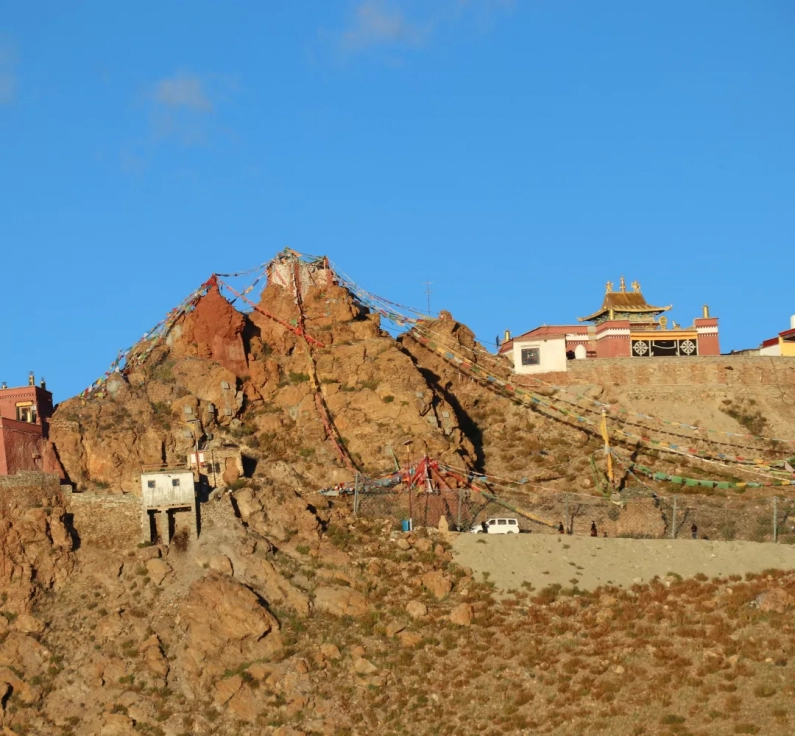
The Parikrama is a multi-day trek circling the base of the mountain, typically broken into stages through Darchen, Dira-Puk, and Zuthul-Puk, crossing the Dolma La Pass at its highest point. It's physically demanding — high altitude, cold nights, and long trekking days — but doesn't require technical climbing skill. Most travelers find the altitude, not the distance, is the real challenge.
Best Time to Go
The Kailash Mansarovar Yatra season generally runs from May to September, with the route accessible into October in good years. Summer months bring the most stable weather for the overland roads through Tibet, while a full moon departure late in the season is popular among pilgrims for its spiritual significance, even though nights are colder by then.
Two Ways to Reach Kailash
Travelers generally reach the Kailash region one of two ways:
Flying into Lhasa and driving west from there
Overland from Kathmandu, crossing into Tibet at the Kyirong border and driving the full route by road
The overland route from Nepal is popular with travelers who want a gradual altitude gain and a single, continuous overland journey rather than a flight-then-drive combination.
Visa and Permit Basics
Independent travel inside Tibet isn't permitted — all Kailash Mansarovar travel is arranged through a licensed operator holding the required Tibet Travel Permit. For Nepal-based departures, current rules from the Chinese Embassy require a minimum group size of 5 travelers for a Tibet Group Visa, and the original passport must be submitted in Kathmandu for processing, which typically takes about 5 official working days.
Because visa rules and regulations change from time to time, it's worth confirming current requirements with your operator or the Chinese Embassy shortly before you travel, rather than relying on last year's information.
What to Prepare in Advance
A clear passport copy submitted well ahead of departure, to start permit processing early
Your original passport in hand on arrival in Kathmandu
A passport-size photo (white background, front-facing, no glasses)
Basic acclimatization awareness — Lake Mansarovar and the Parikrama both sit well above 4,500m
Combining Kailash With Other Tibet Travel
Some travelers extend their trip to include Everest Base Camp from the Tibet (North) side, since both journeys involve the same overland crossing into Tibet and can be combined into a single trip for those with extra time.