Chiu Monastery: A Spiritual Sanctuary Overlooking Manasarovar Lake
A Hidden Jewel in the Heart of Tibet
Nestled on the rugged slopes of Sangtok Pelri Mountain, Chiu Monastery (also known as Jiu Monastery or Sparrow Monastery) stands as a beacon of spiritual devotion and Tibetan history. Located 33 kilometers from Darchen, on the western edge of the sacred Manasarovar Lake, this remote monastery sits at an astonishing 4,590 meters above sea level, "offering visitors a unique blend of natural beauty and religious reverence. Most travelers visit Chiu Monastery as part of a Mount Kailash Tour from Nepal, combining the sacred lake circuit with Tibet's most revered pilgrimage."
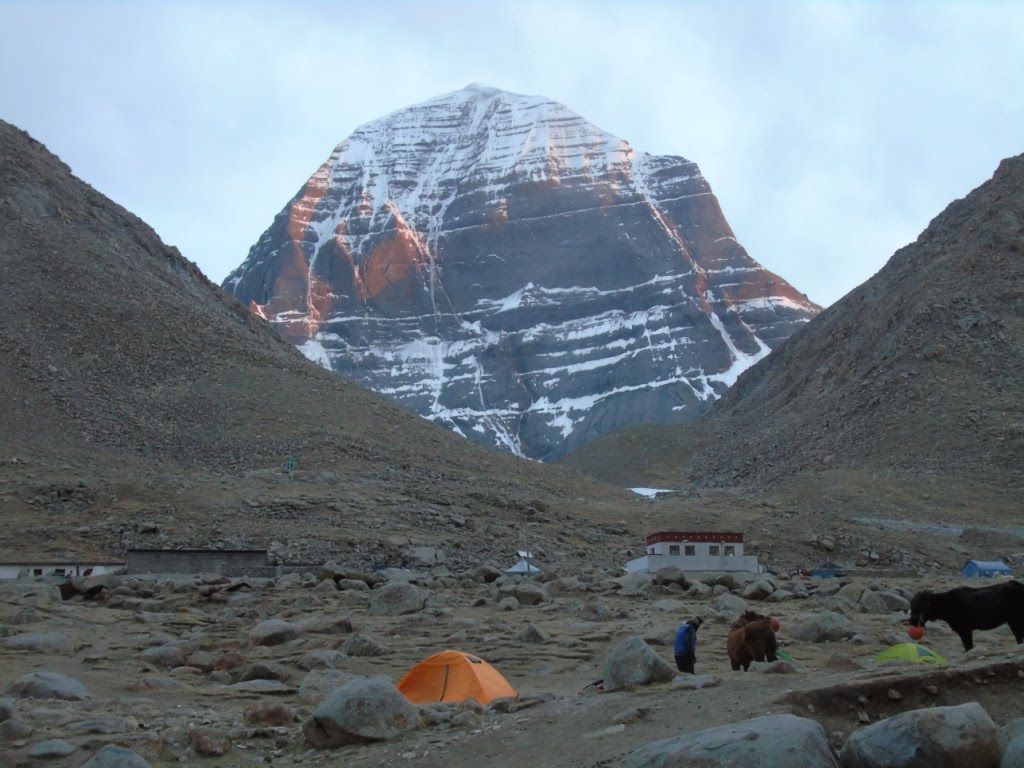
Despite its modest size, the monastery boasts architectural elements reminiscent of Lhasa's legendary Potala Palace. Its high-altitude setting provides breathtaking panoramic views of Manasarovar Lake, Gurla Mandhata Peak, and—on exceptionally clear days—the sacred summit of Mount Kailash. For pilgrims and travelers alike, Chiu Monastery transcends mere destination; it offers an experience of profound spiritual enlightenment.
Historical and Religious Significance
Chiu Monastery follows the Nyingmapa tradition, also known as the Red Hat sect, which represents one of the oldest schools of Tibetan Buddhism. This sacred site holds deep connections to Guru Rinpoche (Padma Sambhava), the revered founder of Tibetan Buddhism, who is believed to have meditated here in a sacred cave.
Practical Information: "Most visitors travel as part of organized Tibet tour packages from Nepal, which include permits, transport, and accommodation across the region."
According to ancient legend, Guru Rinpoche spent the final seven days of his extended meditation in this very cave. To this day, visitors can observe what devotees believe to be his footprint preserved on the rocks. Inside the monastery, statues and ancient relics commemorate his spiritual presence, making this site a focal point for Buddhist pilgrims, as well as attracting Hindu devotees and spiritual seekers who revere the sage.
A Journey to Tranquility and Divine Energy
Reaching Chiu Monastery requires a short yet rewarding hike up the hillside. Visitors typically perform a 30-minute kora (ritual circumambulation) around the monastery, a practice that promotes peaceful introspection and spiritual connection. The walk offers ever-changing perspectives of the monastery against its dramatic mountain backdrop.
Beyond its spiritual allure, the monastery sits surrounded by remarkable natural features:
The Ganga Chu River: Flowing from Manasarovar Lake to Rakshas Tal Lake, this watercourse serves as the source of the Sutlej River, one of the Indian subcontinent's longest and most significant rivers.
Hot Springs: Located behind the monastery, these basic natural hot springs offer weary pilgrims opportunities for relaxation and cleansing after their journeys.
Abundant Birdlife: The lake's shores host numerous migratory bird species, creating a tranquil atmosphere that enhances the spiritual experience.
Manasarovar Lake: The Sacred Waterbody
For centuries, Manasarovar Lake (Mapam Yumtso in Tibetan) has been revered as one of the holiest lakes in the world. It holds profound religious significance across multiple traditions—Bon, Buddhism, Hinduism, and Jainism—attracting pilgrims from Nepal, India, Tibet, and across the globe. The lake's name derives from Sanskrit, combining "mana" (mind) and "sarovara" (lake), reflecting beliefs about its purifying and consciousness-expanding properties.
Many visitors to Chiu Monastery stay in guesthouses along the lake shore, using the monastery as a spiritual retreat either before or after their Mount Kailash pilgrimage circuit. The shimmering blue waters of Manasarovar, nourished by glaciers descending from Mount Kailash, reflect the grandeur of the surrounding Himalayas, amplifying the region's mystical appeal.
The Monastery Experience
Visitors to Chiu Monastery can expect to encounter:
Sacred relics: Ancient statues, thangkas (religious paintings), and ritual objects preserved within the monastery's small but significant collection.
Meditation cave: The actual cave where Guru Rinpoche is believed to have meditated, accessible to pilgrims seeking blessings.
Monastic life: Opportunities to observe the daily routines of resident monks practicing the ancient Nyingmapa traditions.
Prayer flags: Colorful flags strung across the mountainside, carrying prayers and blessings on the wind.
Why Visit Chiu Monastery?
Experience a unique Buddhist heritage site deeply rooted in Tibetan history and spiritual tradition.
Enjoy breathtaking scenery with panoramic views of sacred mountains and the vast expanse of Manasarovar Lake.
Walk in the footsteps of Guru Rinpoche, feeling the spiritual energy of the ancient meditation cave.
Witness the serene lifestyle of monks practicing traditions preserved for over a millennium.
Find peace and solitude in a monastery that offers both refuge and reflection away from more crowded pilgrimage sites.
Practical Information for Visitors
Location: 33 km from Darchen, western shore of Manasarovar Lake, Tibet Autonomous Region, China.
Altitude: 4,590 meters (15,059 feet). Visitors should prepare for high-altitude conditions.
Best time to visit: May to October, when weather conditions are most favorable.
Access: Requires proper permits for entry into Tibet and the Mount Kailash region. Most visitors travel as part of organized pilgrimage tours.
Accommodation: Basic guesthouses available near Manasarovar Lake; more options in Darchen.
Conclusion: A Testament to Faith and Resilience
For those embarking on the Mount Kailash pilgrimage, Chiu Monastery serves as an essential spiritual checkpoint—a place to meditate, pray, and absorb the mystical energy of this sacred landscape. Whether you approach it as a spiritual seeker, history enthusiast, or adventurous traveler, Chiu Monastery stands as an enduring testament to faith, resilience, and the natural splendor of the Tibetan Plateau. Its remote location, sacred associations, and breathtaking setting combine to create an experience that lingers in memory long after returning to lower altitudes.
"Global Nepal Treks offers fully guided Mount Kailash and Manasarovar Lake Tours, including Chiu Monastery, all Tibet permits, and expert local guides. Book your Kailash pilgrimage tour and experience this sacred journey with confidence.
Website: www.globalnepaltreks.com
Email: info@globalnepaltreks.com