Shrawan, Bol Bam, and the Festivals of Nepal — Where Faith Meets Tourism
Walk through Kathmandu, Pokhara, or any town across Nepal during the month of Shrawan, and you'll notice something in the air — quite literally. Devotees dressed in saffron and red walk barefoot toward the nearest Shiva temple, chanting "Bol Bam," carrying holy water they've carried for miles. It's one of the most visible expressions of faith in the Hindu calendar, and in Nepal, it's also a window into how deeply religion, tradition, and daily life are woven together.
What Is Shrawan, and Why Does It Matter?
Shrawan (also spelled Shravan or Sawan) is a sacred month in the Hindu lunar calendar, typically falling between mid-July and mid-August, dedicated to Lord Shiva. For Hindus, it's considered one of the most spiritually significant periods of the year — a time of fasting, prayer, and pilgrimage.
The month carries deep mythological weight. According to Hindu tradition, Shrawan is linked to the story of Samudra Manthan — the churning of the cosmic ocean by gods and demons in search of amrita, the nectar of immortality. Alongside the nectar emerged Halahala, a poison so lethal it threatened to destroy all creation. Lord Shiva, in an act of ultimate sacrifice, drank the poison to save the universe, holding it in his throat rather than swallowing it — an act that turned his throat blue, earning him the name Neelkanth. Devotees believe that offering water (jal) to Shiva during Shrawan helps cool the effects of that poison, a gesture of gratitude that continues thousands of years later.
The Meaning Behind "Bol Bam"
"Bol Bam" — literally "speak, Bam" (Bam being another name for Shiva) — is both a chant and a movement. It's what devotees, known as Kanwariyas, shout as they walk, sometimes barefoot, sometimes for days, carrying kanwars (decorated containers of holy water) to offer at a Shiva temple.
This isn't a quiet, private act of devotion. It's communal, physical, and public — pilgrims often travel in groups, supporting each other through the journey, turning personal faith into a shared social experience. In Nepal, this tradition finds its most famous expression at Pashupatinath Temple in Kathmandu, one of the holiest Shiva shrines in the world, where thousands gather throughout Shrawan, especially on Mondays (Shrawan Somwar), considered especially auspicious for Shiva worship.
Shrawan's Social Impact in Nepal
Shrawan isn't just a religious observance — it shapes social rhythms across Nepal for the entire month.
Fasting and diet: Many devotees, particularly women, observe fasts on Mondays throughout Shrawan, praying for the wellbeing of their families or, for unmarried women, for a good life partner — a practice closely tied to the Teej festival, which falls within this period.
Community bonding: Temple visits during Shrawan often become family and neighborhood events, with groups traveling together to temples like Pashupatinath, Doleshwor Mahadev, or local Shiva shrines in their region.
Color and dress: Green bangles, red and green saris, and Shiva-associated imagery become visible throughout markets and homes, especially as Teej approaches.
Local economy: Markets selling puja items, fasting foods, and festival attire see a noticeable surge, and temple areas become centers of both devotion and informal commerce.
Shrawan and Tourism in Nepal
For travelers, Shrawan offers something rare: a chance to witness devotion at its most visible and unfiltered. Pashupatinath during Shrawan Mondays isn't staged for visitors — it's simply what the temple looks like when tens of thousands of devotees converge in a single day. That authenticity is precisely what draws cultural and spiritual travelers to Nepal during this period.
Trekking and tour operators increasingly build cultural itineraries around this — combining a Kathmandu Valley Cultural Tour with a visit to Pashupatinath during Shrawan, allowing visitors to witness the Bol Bam processions, understand the mythology behind them, and experience a side of Nepal that exists independent of any tourism calendar. Nepal's spiritual journeys extend beyond Kathmandu, and travelers interested in sacred destinations can also explore the Muktinath Tour, one of Nepal's important pilgrimage experiences. It's tourism that doesn't require a festival to be manufactured — it simply asks visitors to observe respectfully.
Beyond Shrawan: The Festival Calendar That Shapes Nepal
Shrawan is just one thread in a much larger tapestry. Nepal's festival calendar is one of the densest and most diverse in the world, reflecting its blend of Hindu, Buddhist, and indigenous traditions.
Dashain — Nepal's longest and most significant festival, typically in September or October, celebrating the goddess Durga's victory over evil. Families reunite, elders bless the young with tika and jamara, and the entire country effectively pauses for over a week.
Tihar (the festival of lights) — Following soon after Dashain, Tihar honors different beings across five days, including crows, dogs, cows, and finally the bond between brothers and sisters (Bhai Tika). Homes are lit with oil lamps and decorated with rangoli.
Teej — Falling within or just after Shrawan, this festival celebrates marital devotion and the bond between Shiva and Parvati. Women fast, dance, and dress in red, often gathering at temples like Pashupatinath in large, vibrant groups.
Holi — The festival of colors, celebrated in March, marking the arrival of spring with color-throwing celebrations in the streets of Kathmandu, Pokhara, and beyond.
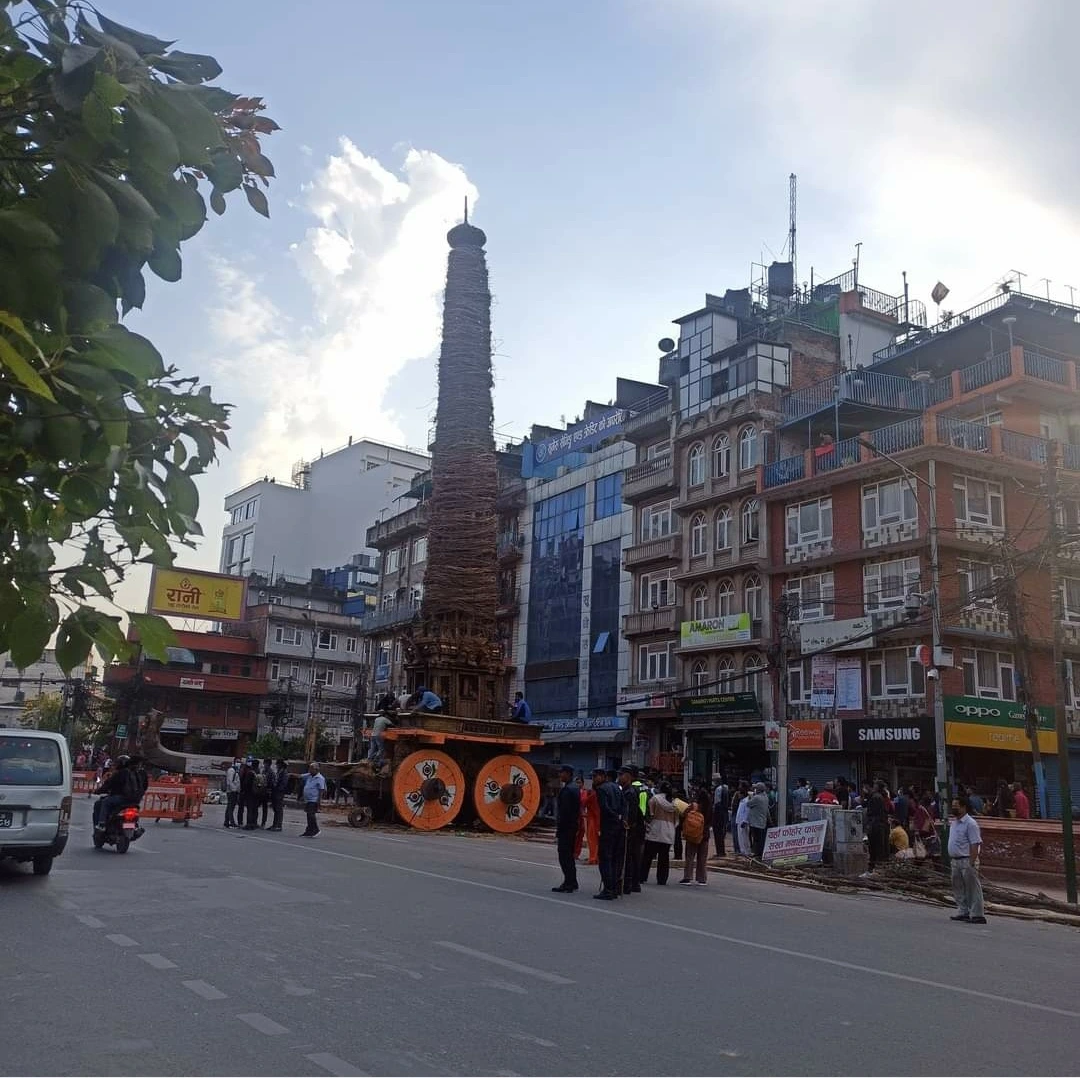
Indra Jatra — A Kathmandu Valley-specific festival honoring Indra, the god of rain, featuring the Living Goddess Kumari's chariot procession through the streets of Kathmandu.
Bisket Jatra — Celebrated prominently in Bhaktapur, marking the Nepali New Year with chariot pulling, tug-of-war between town sections, and reenactments of local mythology.
Buddha Jayanti — Marking the birth of Lord Buddha, celebrated with particular significance at Lumbini (Buddha's birthplace) and Swayambhunath and Boudhanath stupas in Kathmandu.
Maghe Sankranti — Marking the transition of the sun into Capricorn and the end of the winter solstice period, celebrated with sesame and molasses sweets and ritual bathing at river confluences.
Chhath — Particularly significant in Nepal's Terai region, dedicated to the Sun God, involving multi-day fasting and rituals performed at riverbanks.
How Nepal's Festivals and Tourism Intersect
What makes Nepal distinctive isn't just the number of festivals — it's how visible and participatory they remain. Unlike destinations where cultural events are curated primarily for visitors, Nepal's festivals continue largely unchanged whether tourists are present or not. That authenticity has become one of the country's most compelling draws for cultural travelers.
Tour operators have responded by timing cultural itineraries around major festivals — offering visitors the chance to witness Indra Jatra's chariot processions, Dashain's family rituals, or Shrawan's Bol Bam pilgrimages as living tradition rather than performance. For travelers seeking more than mountain views, these festivals offer a direct, unmediated encounter with Nepal's social fabric. Kathmandu Valley Cultural Tour is a great way to combine historic cities, temples, local traditions and authentic cultural experiences. — its mythology, its rhythms of community, and its enduring relationship between faith and everyday life.
For a country where tourism and tradition so often move in parallel, Nepal's festivals are proof that the two don't have to compete. Done respectfully, tourism can be a witness to culture rather than a disruption of it — and Shrawan, with its chants of "Bol Bam" echoing through Kathmandu's temple courtyards, remains one of the clearest examples of that.