Everest Base Camp vs. Annapurna Base Camp: Which Trek is Right for You?
Nepal offers two of the world's most celebrated trekking routes: the Everest Base Camp (EBC) Trek and the Annapurna Base Camp (ABC) Trek. Both provide spectacular mountain views, cultural encounters, and memorable experiences, but they differ significantly in terms of difficulty, scenery, duration, and cost. This comparison helps you decide which trek aligns with your preferences and experience level.
1. Location and Accessibility
Everest Base Camp (EBC): The journey begins with a scenic flight from Kathmandu to Lukla, a small airstrip in the Khumbu region. From Lukla, the trail passes through Namche Bazaar, Tengboche, and Gorak Shep before reaching Everest Base Camp at 5,364 meters. The Lukla flight is weather-dependent and adds an element of adventure.
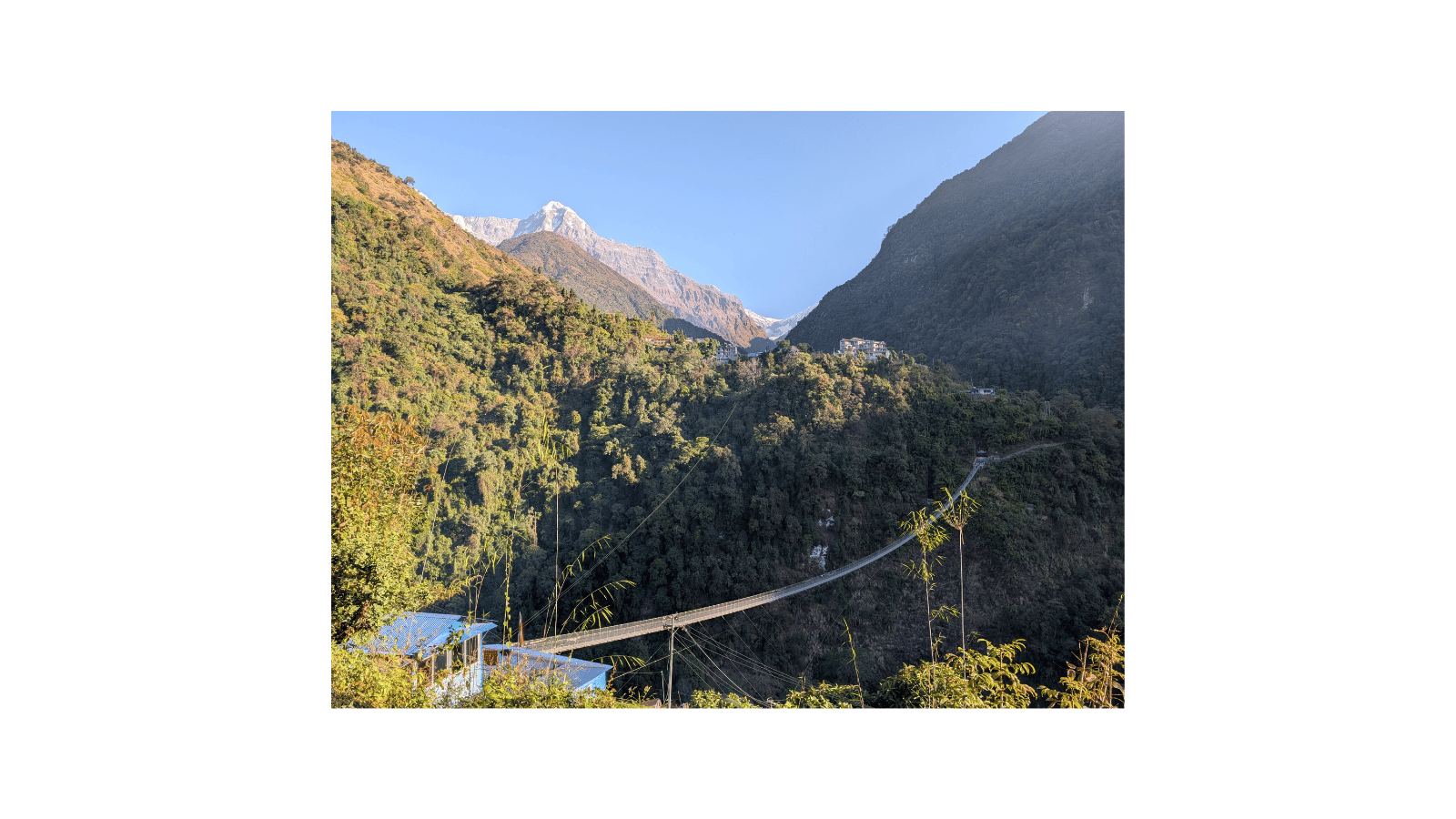
Annapurna Base Camp (ABC): Access is simpler. The trek starts from Pokhara, a lakeside city reachable by road or a short flight from Kathmandu. Trailheads at Nayapul or Jhinu Danda are a short drive from Pokhara. The route winds through forests, villages, and terraced fields to reach Annapurna Base Camp at 4,130 meters.
Verdict: ABC is more accessible, as it avoids the potential delays and additional cost of a Lukla flight.
2. Scenery and Landscape
EBC: The landscape is dramatic and rugged. Trekkers traverse high-altitude deserts, glacial moraines, and rocky trails with views of Everest (8,848m), Lhotse, Nuptse, and the iconic peak Ama Dablam. The terrain becomes increasingly barren above tree line.
ABC: The scenery is more varied. Trails pass through lush rhododendron forests, waterfalls, and subtropical valleys before opening to mountain views. From ABC, trekkers see Annapurna I (8,091m), Machapuchare (Fishtail), Hiunchuli, and Dhaulagiri.
Verdict: EBC offers raw, high-altitude mountain landscapes, while ABC provides greener, more diverse scenery.
3. Trekking Difficulty
EBC: Considered challenging due to its higher altitude (5,364m at base camp, with optional climbs to Kala Patthar at 5,545m). The trek typically takes 12 to 14 days and includes acclimatization days in Namche Bazaar and Dingboche. Trekkers should be prepared for long days on rugged terrain.
ABC: Moderately challenging with a maximum altitude of 4,130 meters. The trek is shorter, usually 7 to 10 days, and altitude-related risks are lower. The trail includes many stone steps but is generally considered less strenuous than EBC.
Verdict: EBC is better suited for experienced trekkers, while ABC is a good choice for beginners or those with less time.
4. Cultural Experience
EBC: The Khumbu region is home to the Sherpa community, known for their mountaineering heritage. Trekkers visit Buddhist monasteries like Tengboche, see prayer flags and mani stones, and gain insight into Sherpa traditions and their relationship with the mountains.
ABC: The Annapurna region features Gurung and Magar communities. Villages like Ghandruk and Chhomrong offer opportunities to learn about their customs, try local cuisine, and experience traditional village life.
Verdict: EBC provides a deeper connection to mountaineering history, while ABC offers authentic village cultural experiences.
5. Cost and Budget
EBC: The Lukla flight adds significant cost. Guided treks range from $1,200 to $1,800 per person, depending on services included. Accommodation and food in the Khumbu region are also slightly more expensive due to logistics.
ABC: More budget-friendly, with guided treks ranging from $700 to $1,500 per person. Road access to the trailhead and lower accommodation costs make ABC accessible for travelers with tighter budgets.
Verdict: ABC is more affordable for most trekkers.
Comparison Summary
| Factor | Everest Base Camp (EBC) | Annapurna Base Camp (ABC) |
|---|---|---|
| Maximum Altitude | 5,364m (Kala Patthar: 5,545m) | 4,130m |
| Duration | 12-14 days | 7-10 days |
| Difficulty | Challenging | Moderate |
| Access | Flight to Lukla | Road from Pokhara |
| Scenery | Glaciers, high-altitude desert | Forests, waterfalls, diverse landscapes |
| Culture | Sherpa, Buddhist monasteries | Gurung, Magar villages |
| Cost (guided) | $1,200 - $1,800 | $700 - $1,500 |
Which Trek is Right for You?
Choose Everest Base Camp if:
- You want to see Mount Everest and stand at the foot of the world's highest peak.
- You prefer a longer, more challenging trek with high-altitude landscapes.
- You are interested in Sherpa culture and mountaineering history.
Choose Annapurna Base Camp if:
- You prefer a shorter trek with moderate difficulty.
- You enjoy varied scenery including forests, waterfalls, and mountain views.
- You are looking for a more budget-friendly trekking option.
- This is your first Himalayan trek and you want to build experience.
Final Thoughts
Both Everest Base Camp and Annapurna Base Camp treks offer rewarding experiences in the Nepalese Himalayas. Your choice depends on your fitness level, available time, budget, and personal interests. Whichever route you select, proper preparation and local guidance will ensure a safe and memorable journey.
For assistance planning your trek, including itinerary customization and permit arrangements, contact Global Nepal Treks.
Website: www.globalnepaltreks.com
Email: info@globalnepaltreks.com