Exploring the Khumbu Region: An Adventure of a Lifetime
The Khumbu region, located in northeastern Nepal, serves as the gateway to Mount Everest and offers trekkers a unique blend of high mountain adventure and rich cultural experiences. Home to the Sherpa people and encompassing Sagarmatha National Park, this region attracts thousands of visitors annually who come to trek through some of the world's most spectacular landscapes. This guide provides comprehensive information about the Khumbu region to help you plan your journey.
Introduction to the Khumbu Region
The Khumbu region is situated in the northeastern corner of Nepal, within the Solu-Khumbu district. It ranges in altitude from approximately 2,800 meters (9,186 feet) in the lower valleys to the summit of Mount Everest at 8,848 meters (29,029 feet). The region is defined by its dramatic topography: deep valleys, massive glaciers, and peaks that rank among the highest on Earth. Beyond its geographical significance, Khumbu is the traditional homeland of the Sherpa people, whose culture and mountaineering expertise have shaped the region's identity.
Geography and Location
The Khumbu region lies within the larger Himalayan mountain system, bordering the Tibetan Plateau to the north. Its boundaries encompass several notable geographical features:
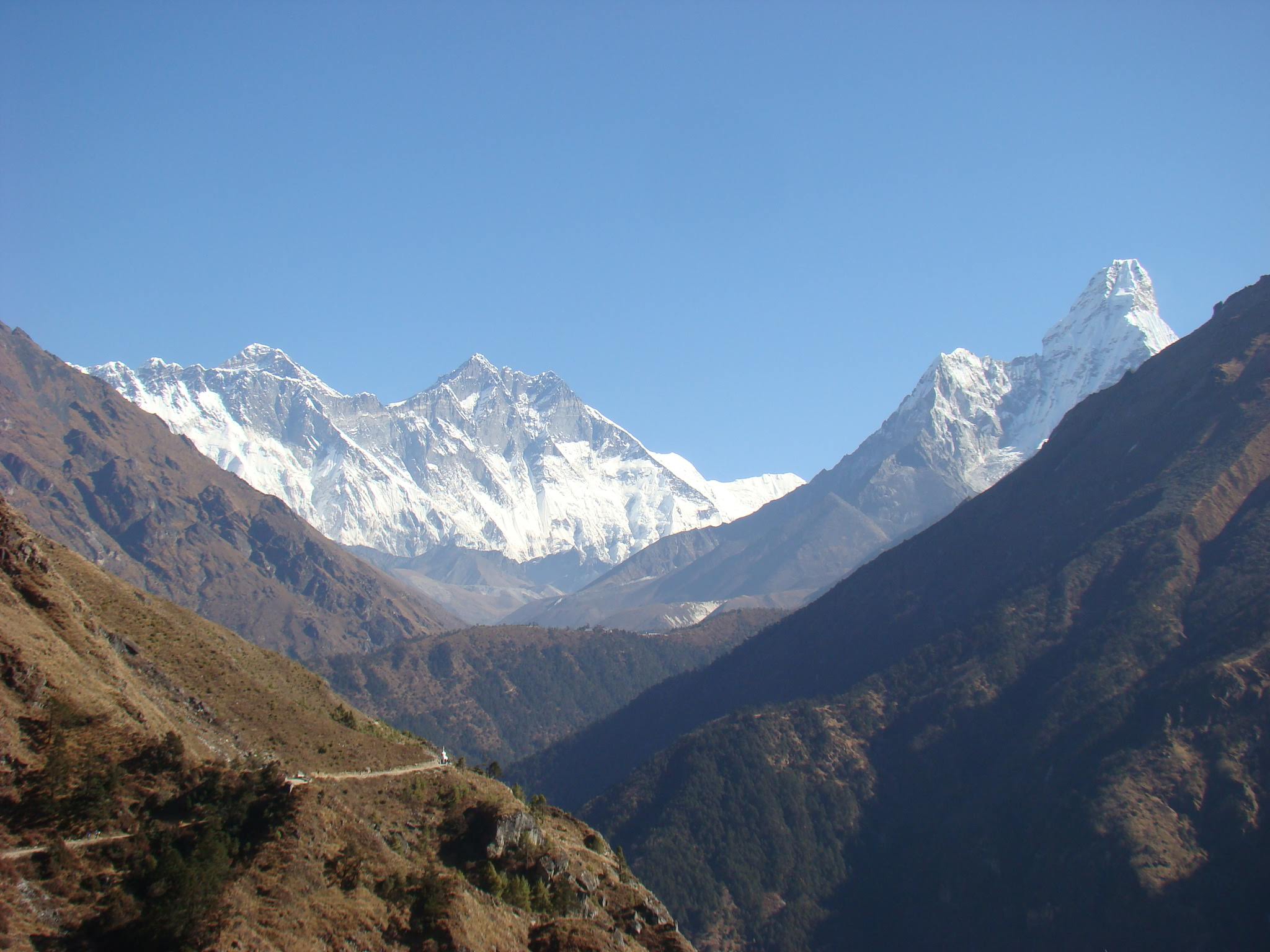
Mount Everest (Sagarmatha): The world's highest peak at 8,848 meters, dominating the northern skyline.
Khumbu Glacier: One of the largest glaciers in the Himalayas, flowing from Everest's slopes.
Gokyo Valley: A high-altitude valley featuring turquoise lakes and panoramic mountain views.
Imja Valley: A remote side valley leading to Island Peak and other climbing objectives.
The region is characterized by steep terrain, with trails connecting villages at various elevations. The Dudh Koshi River and its tributaries drain the area, carving deep gorges through the landscape.
Sagarmatha National Park
Established in 1976 and designated a UNESCO World Heritage Site in 1979, Sagarmatha National Park encompasses much of the Khumbu region. The park covers 1,148 square kilometers and protects a range of ecosystems from forested lower slopes to alpine zones and glacial areas. Key features of the park include:
Rare wildlife including snow leopard, Himalayan tahr, musk deer, and red panda
Over 118 species of birds, including the Himalayan monal (Nepal's national bird)
Diverse vegetation: pine and hemlock forests at lower elevations, rhododendron and juniper at mid-levels, and alpine scrub above treeline
Glacial landscapes including the Khumbu Glacier and its famous icefall
The park plays a crucial role in conserving the region's biodiversity while supporting sustainable tourism through regulated trekking activities.
Cultural Significance and the Sherpa People
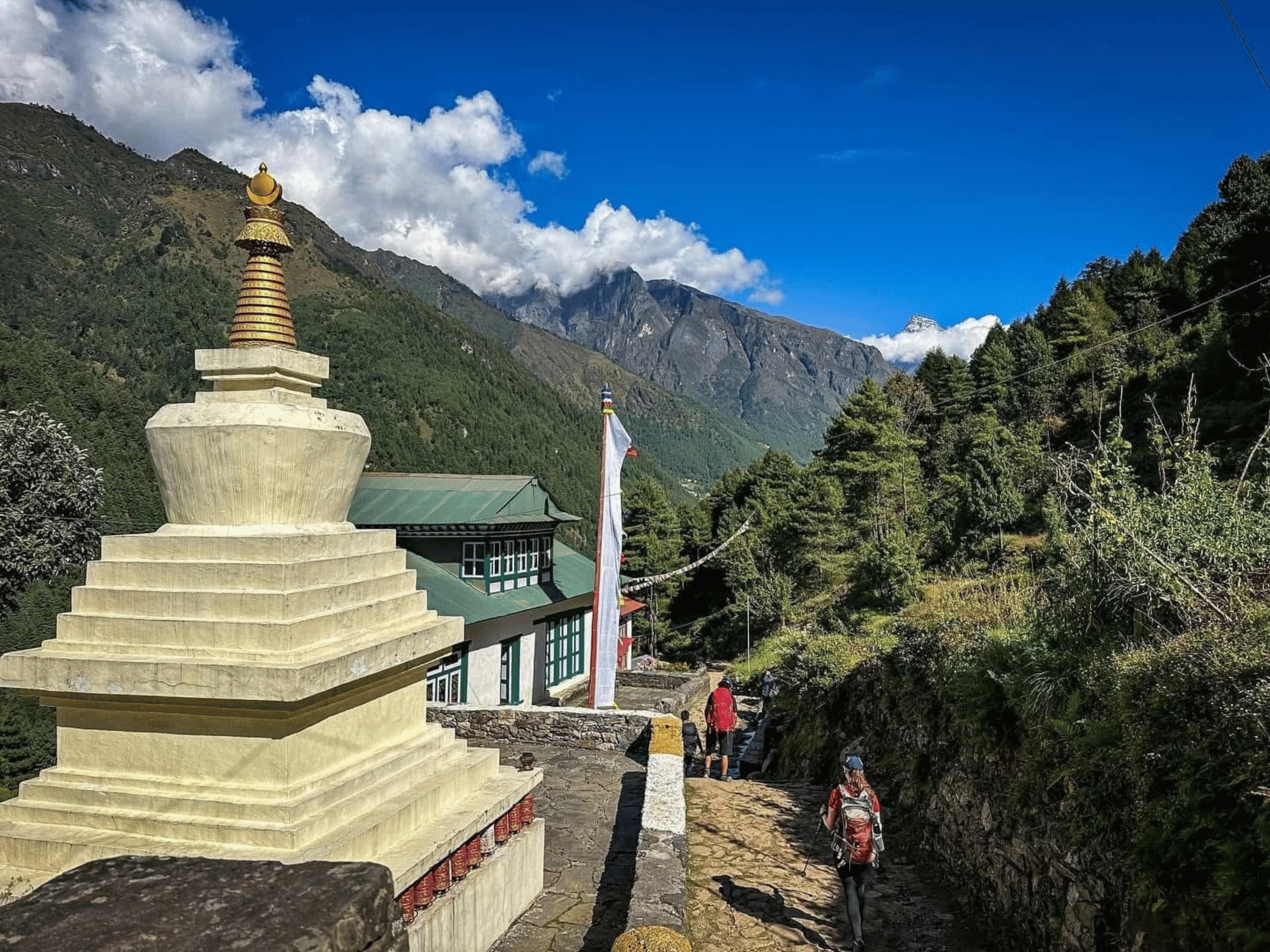
The Sherpa people are the indigenous inhabitants of the Khumbu region, having migrated from Tibet approximately 500 years ago. Their culture is deeply intertwined with Tibetan Buddhism, reflected in the many monasteries (gompas) scattered throughout the region. Key cultural aspects include:
Namche Bazaar: The main trading hub and gateway to the upper Khumbu, hosting a weekly market where villagers trade goods.
Tengboche Monastery: The most significant Buddhist monastery in the region, located at 3,867 meters, offering views of Everest and Ama Dablam.
Mani Rimdu Festival: An annual celebration held at Tengboche featuring masked dances, prayers, and blessings.
Sherpa Hospitality: Local teahouses and lodges offer trekkers a chance to experience traditional Sherpa food, including dal bhat, momos, and butter tea.
The Sherpas' mountaineering expertise has made them essential partners in Himalayan expeditions, and their contributions to climbing history are celebrated throughout the region.
Mount Everest and Its Significance
Mount Everest, known as Sagarmatha in Nepali and Chomolungma in Tibetan, holds profound significance both globally and locally. For trekkers, seeing Everest is often the primary motivation for visiting Khumbu. Key viewpoints include:
Kala Patthar: A 5,545-meter peak offering the closest accessible views of Everest's southwest face.
Everest Base Camp: At 5,364 meters, the staging point for Everest expeditions, accessible to trekkers during the pre-monsoon season.
Gokyo Ri: A 5,357-meter summit providing panoramic views including Everest, Lhotse, Makalu, and Cho Oyu.
For the Sherpa community, Everest is a sacred mountain, home to deities that must be respected. This spiritual dimension adds depth to the trekking experience.
Trekking Routes in the Khumbu Region
The Khumbu region offers multiple trekking options, ranging from moderate to strenuous. The most popular routes include:
Everest Base Camp Trek
The classic route takes 12-14 days and follows this approximate itinerary:
Day 1-2: Lukla (2,800m) to Phakding (2,610m) to Namche Bazaar (3,440m)
Day 3: Acclimatization day in Namche
Day 4-5: Namche to Tengboche (3,867m) to Dingboche (4,410m)
Day 6: Acclimatization day in Dingboche
Day 7-8: Dingboche to Lobuche (4,910m) to Gorak Shep (5,164m)
Day 9: Everest Base Camp visit and return to Gorak Shep
Day 10: Kala Patthar sunrise hike, descent to Pheriche or Pangboche
Day 11-13: Return to Lukla via Namche
Gokyo Lakes Trek
This alternative route explores the Gokyo Valley, featuring turquoise lakes and the Ngozumpa Glacier. Highlights include:
Gokyo Village and the sacred lakes
Gokyo Ri summit for panoramic views
Optional crossing of Cho La Pass to connect with the Everest Base Camp trail
Three Passes Trek
For experienced trekkers, this challenging route crosses three high passes: Kongma La (5,535m), Cho La (5,420m), and Renjo La (5,360m), offering a complete circuit of the Everest massif.
Climate and Weather in the Khumbu Region
The Khumbu region experiences distinct seasons that affect trekking conditions:
Spring (March to May): Moderate temperatures, blooming rhododendrons, stable weather. Ideal for trekking.
Summer/Monsoon (June to August): Heavy rainfall, cloud cover, leeches on lower trails. Trekking is difficult and views are limited.
Autumn (September to November): Clear skies, crisp air, excellent visibility. The most popular trekking season.
Winter (December to February): Cold temperatures, snow at higher elevations, but fewer trekkers on the trails. Suitable for experienced trekkers with proper gear.
Temperatures decrease with altitude. At Gorak Shep (5,164m), night temperatures can drop to -15°C or lower even in spring and autumn.
Accommodation and Facilities
The Khumbu region has developed extensive trekking infrastructure:
Tea Houses: Basic lodges offering rooms with beds, blankets, and shared bathrooms. Available along all main trekking routes.
Dining Rooms: Communal spaces with heating where meals are served. Charging points and Wi-Fi available for a fee at higher elevations.
Luxury Lodges: Higher-end options in villages like Namche and Lukla offering private rooms and better amenities.
Camping: Organized treks may use tents at designated campsites, particularly in remote areas.
Facilities become more basic at higher altitudes, with fewer amenities and higher prices due to transport costs.
Flora and Fauna of the Khumbu Region
The region's biodiversity varies with altitude:
Lower elevations (2,800-3,500m): Pine, hemlock, and rhododendron forests. Wildlife includes Himalayan black bear, barking deer, and numerous bird species.
Mid-elevations (3,500-4,500m): Juniper, birch, and alpine shrubs. Himalayan tahr, musk deer, and occasionally snow leopard.
High elevations (above 4,500m): Alpine desert with hardy grasses and mosses. Rare sightings of snow leopard and Himalayan wolf.
Sagarmatha National Park's conservation efforts protect these species and their habitats from the pressures of tourism and development.
Challenges of Trekking in the Khumbu Region
Trekkers should be aware of potential difficulties:
Altitude Sickness: Acute Mountain Sickness (AMS) is a serious risk. Symptoms include headache, nausea, and fatigue. Proper acclimatization, slow ascent, and hydration are essential.
Physical Demands: Long days of walking on uneven terrain require good fitness. Steep ascents and descents strain knees and ankles.
Weather Changes: Conditions can change rapidly. Be prepared for sun, wind, snow, and cold within a single day.
Limited Facilities: Above Namche, amenities become basic. Hot showers, Wi-Fi, and charging cost extra.
Responsible Tourism in the Khumbu Region
Increasing visitor numbers bring environmental challenges. Trekkers can minimize their impact by:
Carrying reusable water bottles and using purification methods instead of buying plastic bottles
Packing out non-biodegradable waste
Staying on designated trails to prevent erosion
Respecting local customs and religious sites
Supporting local businesses and paying fair prices
Choosing trekking companies that follow ethical practices
Economic Impact on Local Communities
Tourism provides significant income to the Khumbu region through:
Employment as guides, porters, and lodge staff
Sales of goods and services in villages along trekking routes
Income from teahouses, shops, and trekking agencies
Funding for community development projects through park fees and taxes
Responsible tourism ensures these benefits continue while preserving the environment and culture that attract visitors.
Permits and Regulations
Trekkers must obtain two permits:
Sagarmatha National Park Permit: $30 per person (or NPR 3,000)
Khumbu Pasang Lhamu Rural Municipality Permit: $20-30 per person depending on entry point
Both permits are checked at various points along the trail and should be carried at all times.
Best Time to Visit the Khumbu Region
Spring and autumn offer the most favorable conditions:
Spring (March-May): Warmer temperatures, blooming flowers, and stable weather. Rhododendron forests are in full color.
Autumn (September-November): Clear skies, excellent visibility, and moderate temperatures. Peak trekking season with more trekkers on the trails.
Winter treks are possible for experienced trekkers with proper cold-weather gear, while the monsoon season is generally not recommended.
Conclusion: Is the Khumbu Region Right for You?
The Khumbu region offers one of the world's great trekking experiences, combining spectacular mountain scenery with rich cultural encounters. From the excitement of Lukla's airstrip to the achievement of reaching Everest Base Camp, every day brings new challenges and rewards. However, the altitude, physical demands, and basic facilities require adequate preparation and realistic expectations.
For those willing to prepare properly, respect local culture and environment, and embrace the adventure, the Khumbu region delivers an unforgettable journey into the heart of the Himalayas.
Travelers looking for a more challenging adventure can consider Island Peak Climbing after exploring the Everest region.