Ganesh Himal Trekking: Hidden Beauty Of Nepal
Settled in the heart of the majestic Himalayas, Ganesh Himal is one of Nepal's most breathtaking yet lesser-known trekking destinations. While famous treks like Everest Base Camp and Annapurna Base Camp attract large crowds, the Ganesh Himal region remains a peaceful and untouched haven, offering a true escape into nature. Here, trekkers find not only stunning landscapes but also rich cultural experiences in traditional villages with friendly locals.
For those seeking a quieter, more serene trekking experience away from busy routes, the Ganesh Himal trek provides an ideal adventure. This guide covers everything you need to know about this hidden gem, from route highlights to practical preparation.
What is Ganesh Himal Trekking?
Ganesh Himal Trekking takes you into the Ganesh Himal region, located in central Nepal between the Trisuli and Budhi Gandaki rivers. The trek is named after the Ganesh Himal mountain range, featuring peaks rising to over 7,400 meters (24,278 feet), offering spectacular backdrops of snow-capped peaks, lush forests, and charming villages.
Key details:
- Highest point: Ganesh Himal Base Camp at approximately 4,100 meters (13,450 feet)
- Total distance: 150 to 200 kilometers (93 to 124 miles), depending on chosen route
- Location: Approximately 120 kilometers (75 miles) north of Kathmandu
- Trek duration: Typically 12-16 days
The region remains less crowded than other Nepalese treks while still providing an exhilarating challenge for trekkers exploring remote areas with breathtaking natural surroundings.
Why Choose Ganesh Himal Trekking
Off-the-Beaten-Path Adventure
The Ganesh Himal Trek offers an escape from crowded tourist routes. This trek takes you into a quieter, more serene environment, allowing trekkers to experience raw natural beauty without the usual bustle. Whether a seasoned trekker or first-time adventurer, the Ganesh Himal Trek provides a peaceful retreat where you can connect with nature and immerse yourself in local culture. The solitude and untouched wilderness make it ideal for those seeking a more intimate trekking experience.
Panoramic Mountain Views
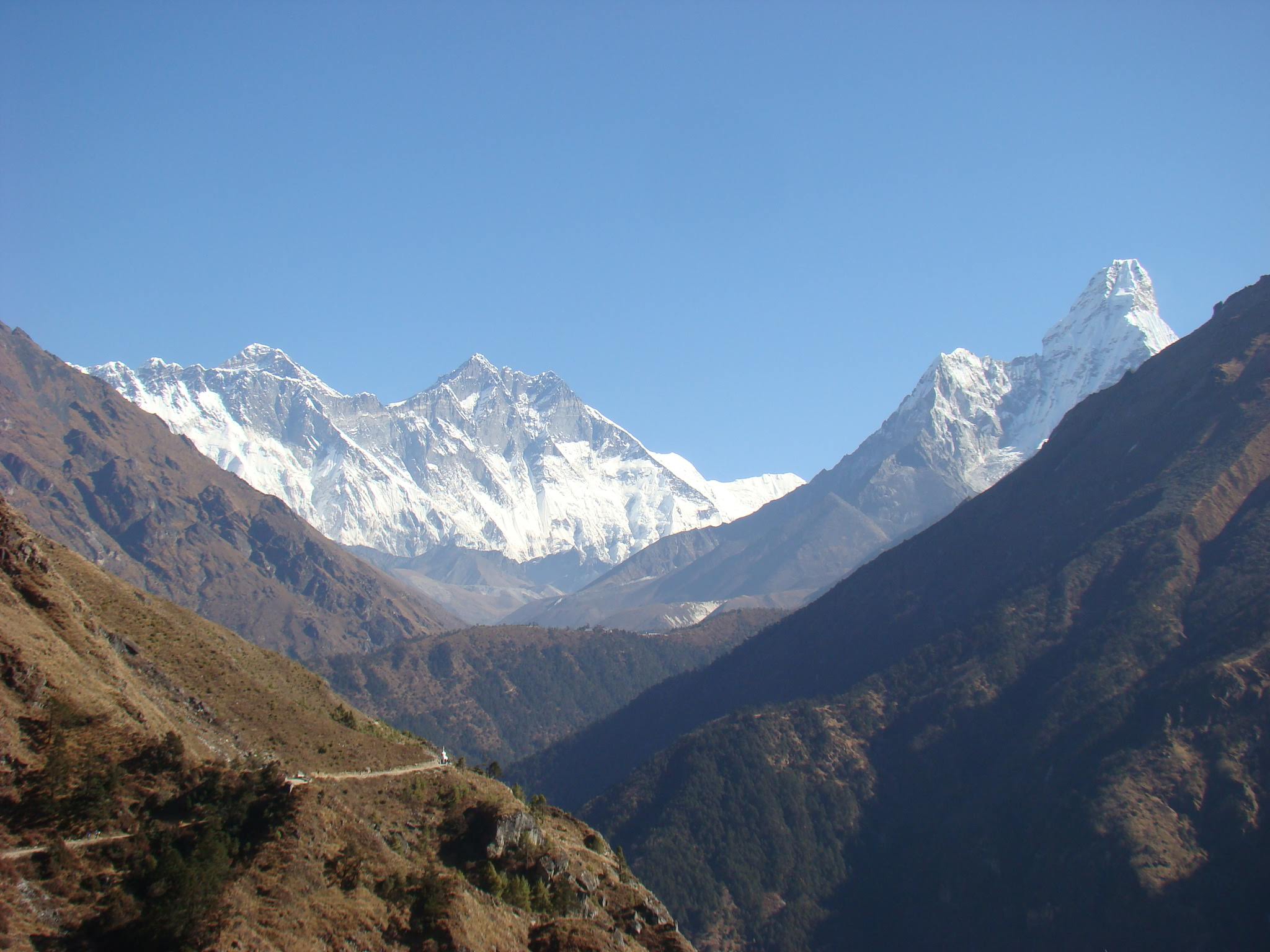
Throughout the trek, trekkers enjoy awe-inspiring views of the Ganesh Himal range and surrounding peaks. From Langtang Lirung to Manaslu and the Annapurna massif, the vistas are spectacular. Snow-capped peaks serve as dramatic backdrops, creating perfect settings for photography and reflection. The ever-changing views as you progress through the region make every step rewarding.
Cultural Exploration
The Ganesh Himal region is home to diverse ethnic communities, including Tamang, Gurung, and Brahmin people. These communities have preserved traditional ways of life, making the trek an opportunity for cultural immersion. Trekkers can visit remote villages, interact with locals, learn about customs, and experience Nepalese hospitality firsthand. Traditional dishes like dal bhat and momo, daily activities, and unique cultural practices add depth to the trekking adventure.
Diverse Natural Beauty
The trail winds through lush subtropical forests, vibrant rhododendron forests, and terraced rice fields. As elevation increases, scenery shifts to alpine meadows and dramatic mountain vistas. Along the way, trekkers pass pristine rivers, natural hot springs, and cascading waterfalls. The region hosts rich flora and fauna, including Himalayan tahr, langur monkeys, and numerous bird and plant species. This ever-changing landscape ensures the trek never feels repetitive.
Adventure and Peace Combined
Whether you are a nature lover, culture enthusiast, or adventure seeker, the Ganesh Himal Trek offers something for everyone. It provides an opportunity to experience Nepal in its purest form, far from well-worn paths of more popular trekking routes. This trek combines challenging adventure, cultural exploration, and breathtaking scenery into an unforgettable experience.
Beginner's Guide to Ganesh Himal Trekking
While not as well-known as other treks, Ganesh Himal is accessible and rewarding for beginner trekkers. Here is what you need to know to prepare.
Physical Preparation
As a moderate trek, Ganesh Himal requires good physical fitness. Training for endurance and strength is important before attempting this multi-day trek at higher altitudes.
- Cardio: Build stamina with regular cardiovascular exercise like hiking, running, cycling, or swimming. Aim for 30-45 minutes of exercise 3-4 times weekly.
- Leg Strength and Flexibility: Strengthen legs and core through squats, lunges, and yoga poses like Downward Dog or Warrior I.
- Acclimatization: The trek reaches elevations up to 4,100 meters. Prepare for potential altitude sickness by pacing yourself, taking it slow, and drinking plenty of water.
Packing Essentials
Trekking Gear:
- Sturdy trekking boots with good grip for rocky trails
- Layered clothing: moisture-wicking base layers, fleece, waterproof jacket
- Sleeping bag rated for cold weather (consider renting in Kathmandu)
- Trekking poles for steep ascents and descents
- Durable daypack for carrying daily essentials
Health and Hygiene:
- First-aid kit with pain relievers, bandages, and personal medications
- Sunscreen, lip balm with SPF, sunglasses for high-altitude sun protection
- Reusable water bottle and water purification tablets
- Personal hygiene items: wet wipes, hand sanitizer, biodegradable soap
What to Expect Along the Trail
Breathtaking Views: Unobstructed views of Ganesh Himal and neighboring peaks including Langtang Lirung, Manaslu, and Annapurna. Sunrise and sunset from higher points are particularly memorable.
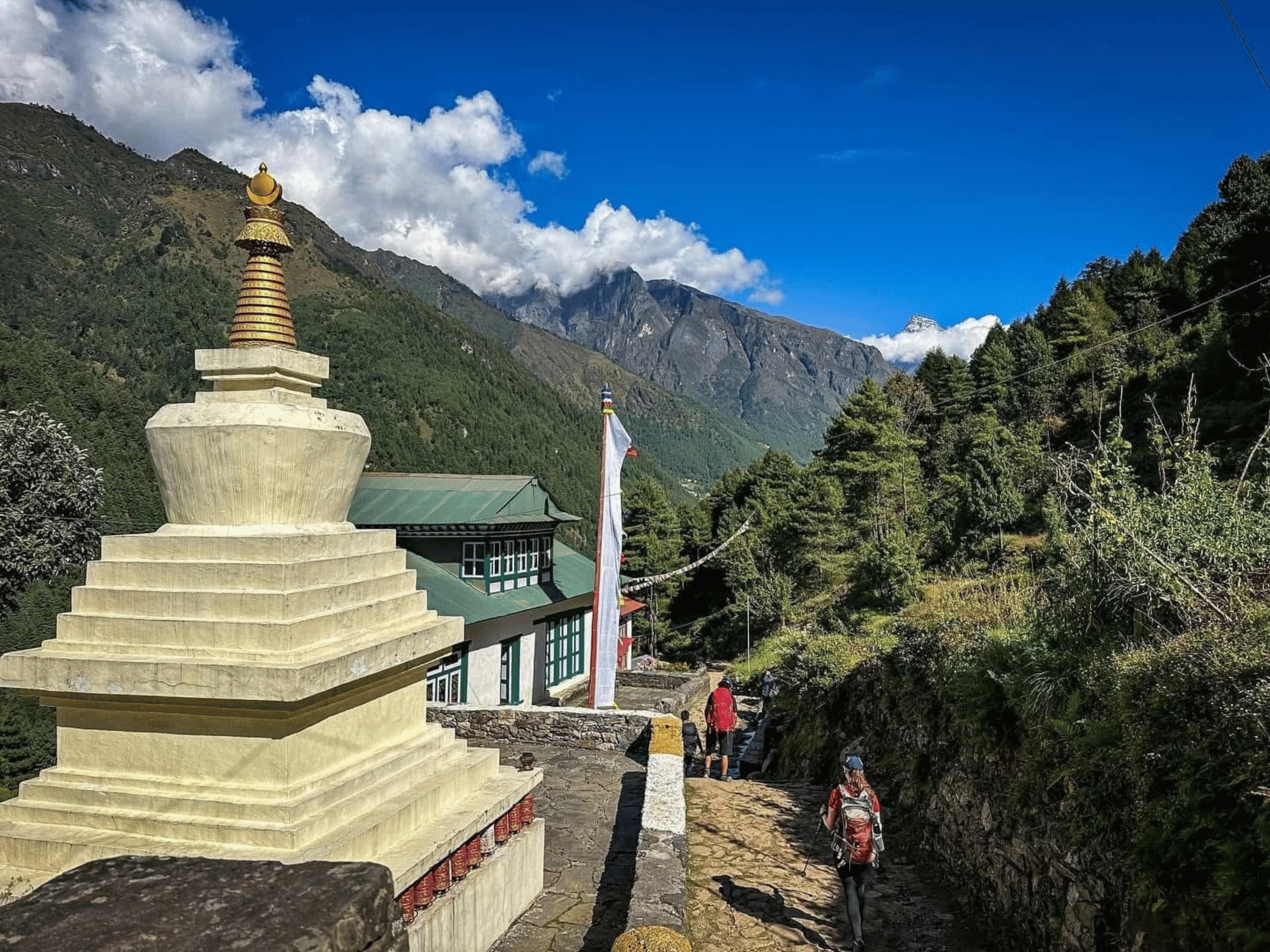
Picturesque Villages: Walk through Tamang and Gurung villages featuring traditional stone houses, prayer flags, and monasteries where you may witness local religious ceremonies.
Nature at its Best: Trek through dense forests of rhododendron, pine, and oak. Spring brings spectacular rhododendron blooms. Cross crystal-clear rivers and enjoy peaceful waterfall sounds.
Hot Springs: Near Tatopani village, natural hot springs offer relaxing soaks after long trekking days—a perfect way to unwind.
Acclimatization Guidelines
The Ganesh Himal Trek reaches altitudes over 4,000 meters, making proper acclimatization essential.
- Pace yourself: Do not rush the trek. Take regular breaks and remember that the journey matters as much as the destination.
- Listen to your body: If experiencing altitude sickness symptoms (headache, nausea, dizziness), slow down, drink water, and rest. If symptoms persist, descend to lower altitude and consult your guide.
Cultural Immersion Opportunities
Visit Local Villages: Spend time in remote Tamang and Gurung villages to learn about customs and daily life.
Experience Local Cuisine: Savor traditional Nepalese dishes including dal bhat (lentil soup with rice), momo (dumplings), and homemade vegetable curries prepared in teahouses.
Engage with Locals: Warm and welcoming locals may invite you to observe religious ceremonies or join community activities, adding rich cultural dimensions to your trek.
Best Time to Trek
Spring (March to May): Mild temperatures, blooming rhododendrons, and clear mountain views make spring ideal for trekking.
Autumn (September to November): Stable weather, crisp air, and excellent visibility provide perfect trekking conditions.
Winter (December to February): Possible but requires preparation for snow and cold at higher elevations. Fewer trekkers on trails.
Monsoon (June to August): Heavy rainfall, leeches, and muddy trails make trekking difficult and views limited. Generally not recommended.
Permits and Regulations
The Ganesh Himal region requires standard trekking permits:
- TIMS (Trekkers' Information Management System) card: Required for all trekkers in Nepal
- Conservation area permit: Depending on specific route, may include Manaslu or Langtang conservation area fees
Trekkers should arrange permits through a registered trekking agency. Independent trekking is permitted in this region, but hiring local guides is recommended for safety and cultural insight.
Accommodation and Food
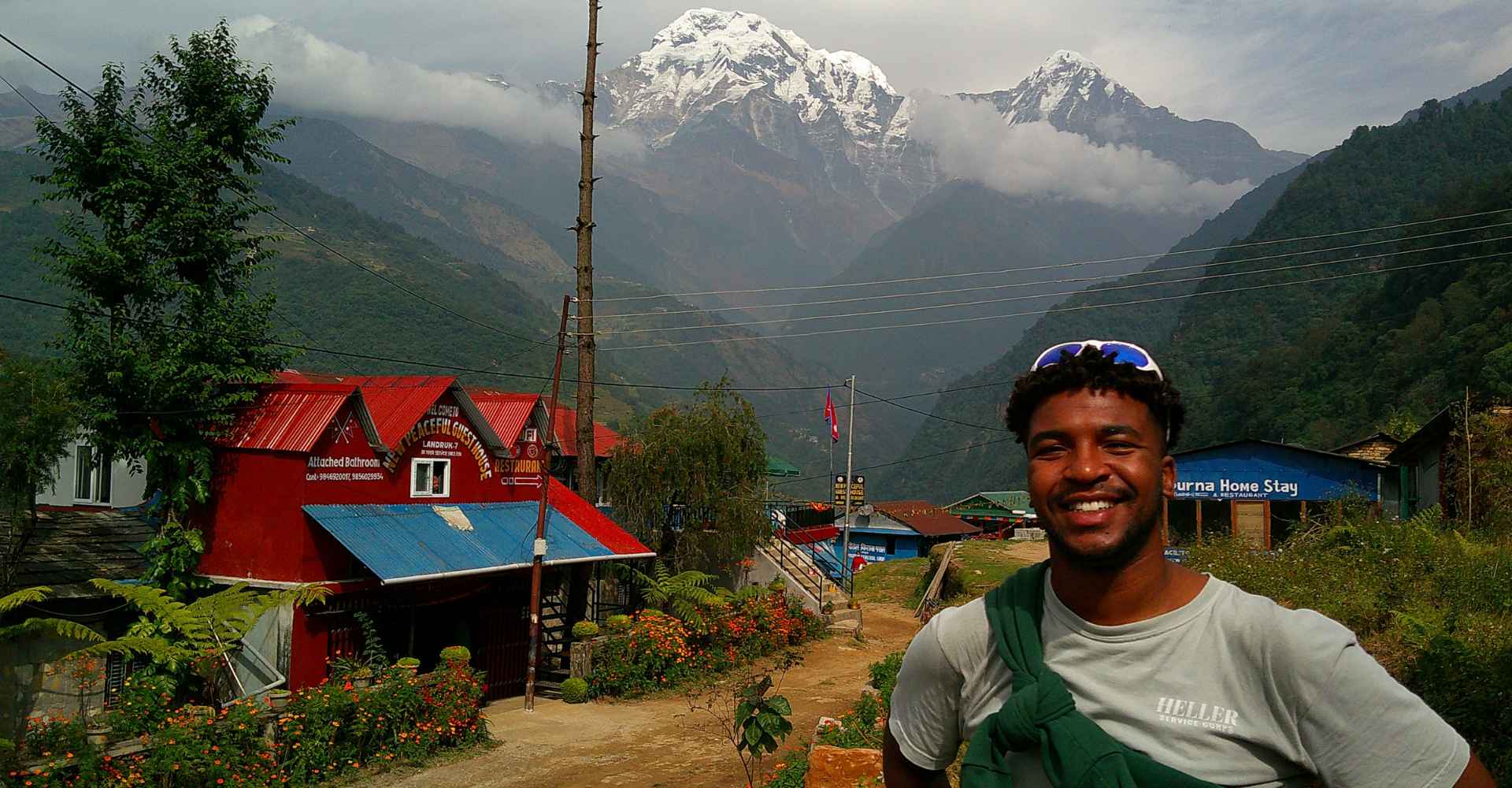
Tea Houses: Basic lodges provide rooms with beds, blankets, and shared bathrooms along main routes. Dining rooms are communal and often heated. Facilities become simpler at higher elevations.
Food Options: Meals are simple but energy-rich. Common dishes include dal bhat, Tibetan bread, momos, thukpa (noodle soup), and porridge. Food variety decreases at higher altitudes with prices increasing due to transport costs. Budget approximately $20-25 per day for meals.
Conclusion
The Ganesh Himal Trek offers an ideal blend of breathtaking mountain views, serene landscapes, and rich cultural experiences for those seeking adventure off the beaten path. As you trek through peaceful forests and charming villages, you connect with nature and local traditions in ways difficult to find on more crowded trails.
Whether you are a beginner or experienced trekker, this journey provides both physical challenge and opportunities for tranquility. With its untouched beauty and cultural immersion, the Ganesh Himal Trek serves as a perfect escape into the heart of Nepal's Himalayas.
For assistance planning your Ganesh Himal trek, including permits, guides, and customized itineraries, contact Global Nepal Treks.
Website: www.globalnepaltreks.com
Email: info@globalnepaltreks.com