Mount Everest, standing at 8,849 meters (29,032 feet), remains the ultimate goal for mountaineers around the world. But how many people actually attempt — and succeed — in climbing it each year? Here's a complete breakdown of Everest's climbing numbers, permit systems, and what it means for anyone dreaming of experiencing the world's highest mountain, whether as a climber or a trekker.
How Many People Climb Everest Each Year?
On average, 600–800 climbers attempt to summit Mount Everest annually, with the vast majority climbing during the spring season (April–May), when weather windows are most stable. Nepal's Department of Tourism typically issues between 400 and 478 climbing permits per spring season for the south side route alone, with additional climbers approaching from the north (Tibet) side through China.
When you factor in Sherpa guides, high-altitude support staff, and expedition crew, the total number of people on the mountain during peak summit windows can reach well over 600 people in a single week — leading to the now-famous "traffic jam" images near the summit during the narrow good-weather periods.
Permit Numbers by Recent Years
Nepal's permit issuance has generally trended upward over the past decade, though it fluctuates based on political, environmental, and pandemic-related factors:
Pre-2020 seasons regularly saw 375–400+ permits issued
The 2019 season set a record with over 380 Nepal-side permits issued in a single spring season, drawing international attention to overcrowding
Numbers dipped sharply in 2020 due to COVID-19 closures
Since 2022, permit numbers have returned to and exceeded pre-pandemic levels, with 2023 seeing over 470 permits issued
Nepal's government has periodically discussed permit caps and new regulations to manage overcrowding and improve safety, though a hard cap has not been consistently enforced
What Percentage of Climbers Actually Summit?
Success rates on Everest vary by year depending on weather, route conditions, and team experience, but generally run between 60% and 70% for climbers who reach Base Camp with the intention of summiting. Weather windows are often just a handful of days each season, meaning hundreds of climbers may attempt the final push within the same narrow timeframe — which is the primary driver of the crowding seen in viral summit-day photos.
Factors that affect success rates include:
Weather stability — a shortened weather window in any given year can force climbers to turn back
Acclimatization — climbers who skip proper acclimatization rotations are far more likely to fail or face medical emergencies
Route conditions — the Khumbu Icefall and Hillary Step present year-to-year variability in difficulty
Guiding support — climbers with experienced guide companies generally have higher success and safety rates
Nepal Side vs. Tibet Side: Where Do Most Climbers Go?
The vast majority of Everest climbers approach from the Nepal (south) side, via the classic South Col route through Everest Base Camp, the Khumbu Icefall, and the South Summit. This route is more heavily trafficked, better supported logistically, and considered marginally more accessible than the North Ridge route from Tibet, which requires a Chinese permit and has historically seen tighter access restrictions.
You Don't Need to Summit to Experience Everest
Here's something many people don't realize: you don't have to be a mountaineer to experience Mount Everest. Every year, thousands of trekkers — with no technical climbing experience — hike to Everest Base Camp itself, reaching an altitude of 5,364 meters (17,598 feet). This is a demanding but non-technical trek, achievable by any reasonably fit hiker with proper acclimatization, typically completed over 12–15 days round trip from Lukla.
The Everest Base Camp Trek lets you:
Walk through the same Khumbu Valley that climbing expeditions use
Visit iconic Sherpa villages including Namche Bazaar and Tengboche
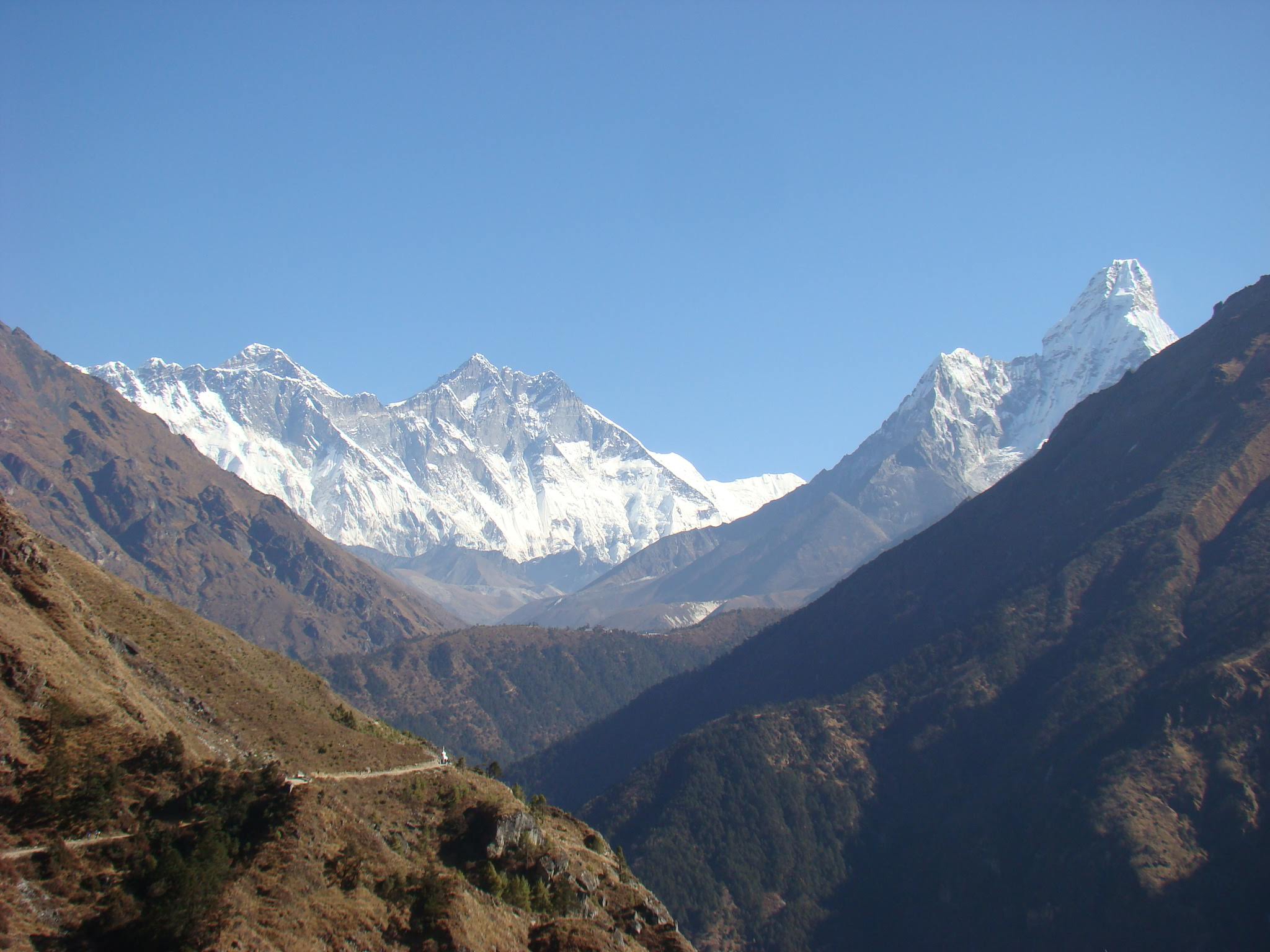
See Everest, Lhotse, Nuptse, and Ama Dablam up close
Stand at Everest Base Camp itself, surrounded by the same glaciers and icefalls climbers navigate
Experience Sherpa culture, monasteries, and some of the most dramatic mountain scenery on Earth
No climbing permit, ice axe, or mountaineering experience required — just proper preparation, acclimatization, and a licensed local guide.
Plan Your Own Everest Base Camp Experience
Global Nepal Treks is a government-licensed trekking agency based in Thamel, Kathmandu, offering fully guided Everest Base Camp treks with complete permit handling, experienced local guides, and end-to-end logistics support. Whether you're planning your first Himalayan trek or returning for a bigger challenge, our team handles the details so you can focus on the experience.
Ready to start planning? Contact us at info@globalnepaltreks.com or +977-9744258519, or visit globalnepaltreks.com to explore our Everest Base Camp trek packages.