The Khumbu Region lies in northeastern Nepal, on the approach to the world's highest peak, Mount Everest. Part of the Solukhumbu district in Koshi Pradesh, the region's elevation ranges from 3,300 meters to 8,848 meters at Everest's summit. Home to approximately 3,456 people in 912 households, the area supports over 300 registered hotels and tea houses, reflecting its status as a premier trekking destination.
Geography and Location
The Khumbu region encompasses both Sagarmatha National Park (above Monju) and its Buffer Zone (between Lukla and Monju). The headwaters of the Dudh Koshi River, a major Ganges tributary, flow through the central Khumbu Valley. The region's dramatic mountainous terrain, characterized by deep valleys and towering peaks, creates challenging conditions with a cold, snowy climate and difficult trails that demand respect from all who visit.
The Khumbu Glacier and Icefall
The Khumbu Glacier, located between Mount Everest and the Lhotse-Nuptse ridge, is the world's highest glacier. Its elevation ranges from 4,900 meters at the terminus to 7,600 meters at its source. Scientists believe this glacier formed during the last great Ice Age, approximately 500,000 years ago.
The Khumbu Icefall, lying just above Everest Base Camp, presents the first major challenge for climbers aiming to summit Everest. This ever-changing labyrinth of crevasses, seracs, and ice towers requires careful navigation. The glacier moves approximately one meter (three feet) daily, causing constant ice movement that forms deep crevasses and creates massive ice blocks that can collapse without warning. While trekkers can view the Icefall from a safe distance at Base Camp, stepping onto it is reserved for experienced climbers due to extreme danger.
Culture and Sherpa Heritage
Remote villages, including Namche Bazaar, Khumjung, and Khunde, have been inhabited for centuries by Sherpa people who migrated from eastern Tibet. They traditionally cultivated high mountain slopes and grazed yaks. The resilient Sherpa community, renowned for mountaineering prowess and warm hospitality, forms the cultural heart of the Khumbu Valley. Recent decades have brought economic and social changes through increased tourism, yet traditional customs remain strong.
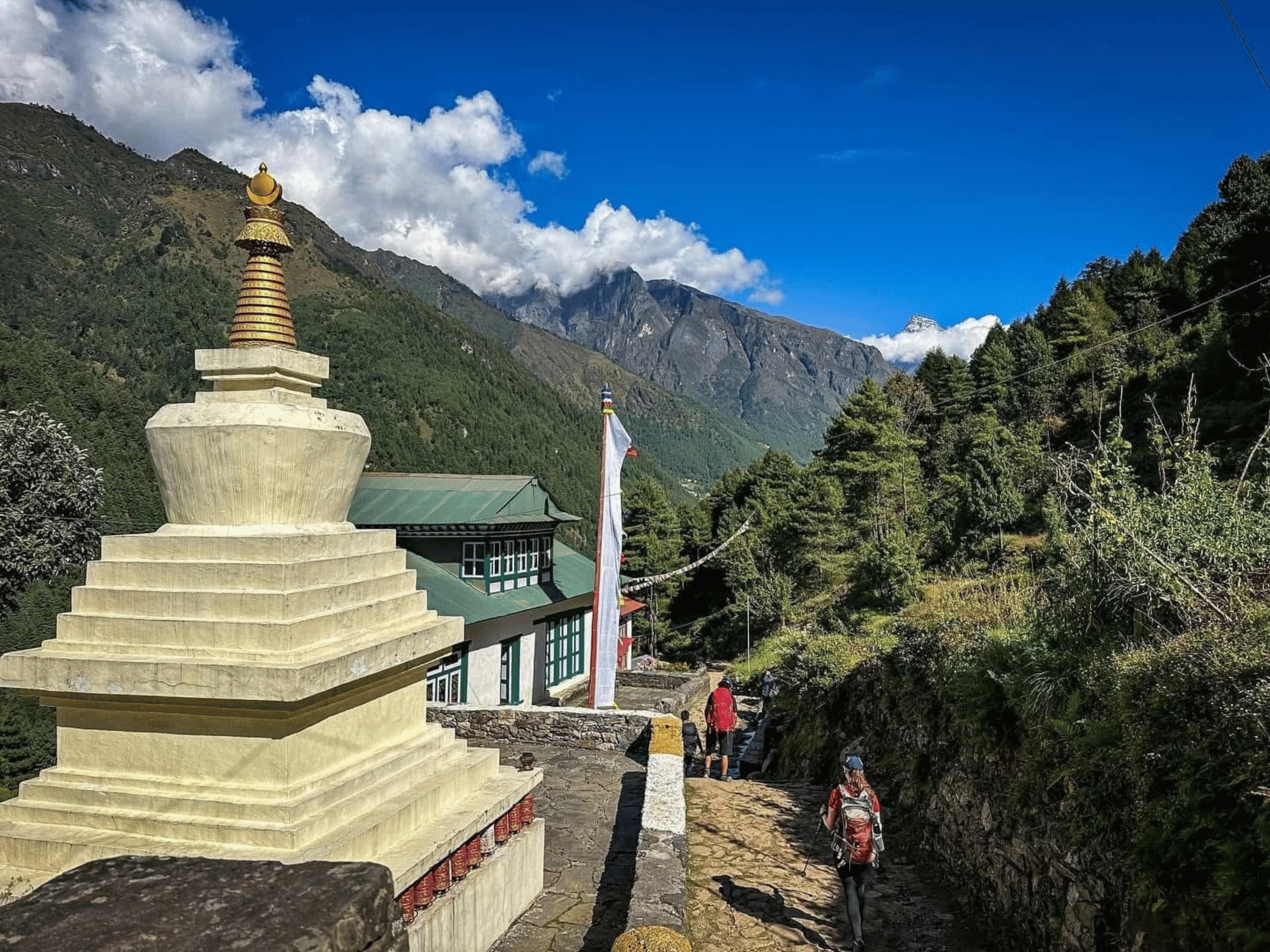
Visitors encounter prayer flags carrying wishes to the sky, ancient Buddhist monasteries, and the distinctive architecture of Sherpa villages. Tengboche Monastery stands as the region's most significant spiritual center, offering insights into Buddhist traditions and hosting annual festivals.
Tourism and Trekking Development
Since Tenzing Norgay Sherpa and Edmund Hillary's first confirmed Everest ascent in 1953, the Khumbu region has drawn global attention. Mountaineering and trekking tourism now form the primary economic foundation for most Sherpa families. Lukla Airport reportedly handles 200 flights on peak days, indicating a significant visitor influx for treks and Everest expeditions.
Visitor Motivations:
Natural beauty and mountain scenery
Adventure and physical challenge
Peace and spiritual retreat
Health benefits of high-altitude trekking
Photography opportunities
Seasonal activities
Cultural and artistic exploration
Personal challenges and achievements
Positive Tourism Impacts
Health and wellness opportunities for visitors
Economic growth for local communities
Conservation awareness and funding
Infrastructure development
Cultural exchange and understanding
Negative Tourism Impacts
Environmental degradation
Over-tourism pressures during peak seasons
Cultural disruption
Climate change effects on glaciers
Habitat loss
Waste management challenges
Major Attractions
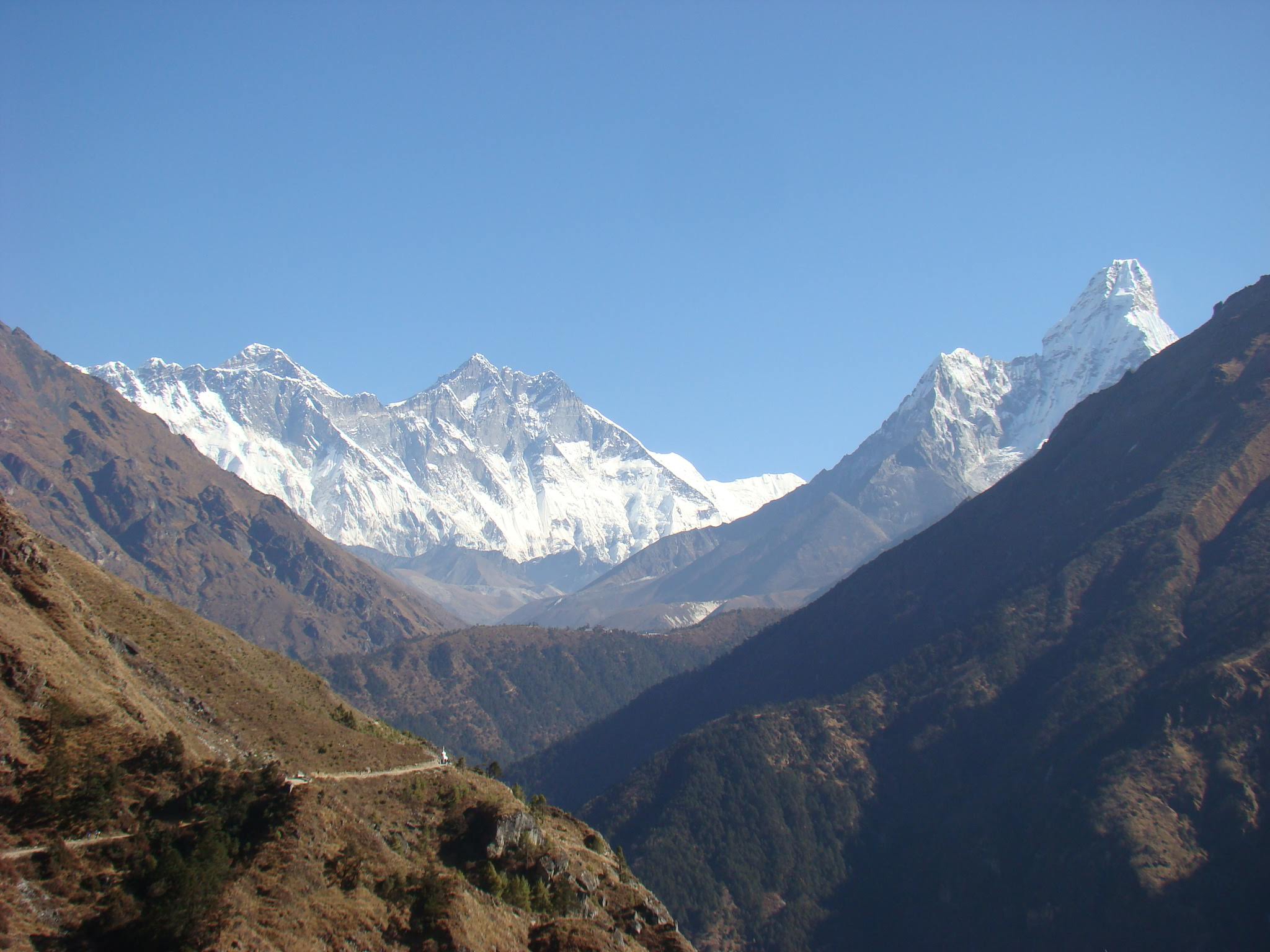
Mount Everest, the world's highest peak at 8,848 meters, draws climbers and trekkers worldwide.
Sagarmatha National Park: UNESCO World Heritage Site protecting unique Himalayan ecosystems.
Gokyo Lakes: Serene turquoise lakes offering spectacular mountain reflections.
Ama Dablam: Iconic peak renowned for its striking beauty.
Tengboche Monastery: The region's most significant Buddhist monastery.
Namche Bazaar: Vibrant trading hub and gateway to the high Himalayas.
Khumjung Village: Traditional Sherpa settlement with monastery and school.
Everest Base Camp Trek: Classic route through Sherpa villages to mountain viewpoints.
Three Passes Trek: Challenging circuit crossing high mountain passes.
Wildlife enthusiasts may spot rare species, including snow leopards and red pandas, within the region's protected areas.
Climate and Weather Patterns
The Khumbu region experiences a diverse climate influenced by altitude and seasons. Mountains modify clouds and precipitation, creating complex weather patterns.
Temperature Ranges by Altitude:
High-Altitude (Everest Base Camp, 5,364m): Well below freezing, extreme cold year-round
Mid-Altitude (Namche Bazaar, 3,440m): Cool to cold, variable by season
Low-Altitude (Lukla, 2,860m): Temperate to cool, pleasant during trekking seasons
Best Time to Visit
Spring (March to May): Moderate temperatures, blooming rhododendrons, clear mountain views. Ideal for trekking.
Autumn (September to November): Stable weather, crisp air, excellent visibility. Post-monsoon clarity reveals spectacular Himalayan vistas. Major Nepali festivals occur during autumn, adding cultural richness.
Winter (December to February): Cold temperatures, snow at higher elevations, fewer trekkers. Requires careful preparation.
Monsoon (June to August): Heavy rainfall, cloud cover, slippery trails. Views obscured, trekking conditions difficult.
Essential Travel Tips
Altitude Preparation: Acclimatize properly with a gradual ascent. Include rest days in Namche Bazaar and Dingboche.
Hydration: Drink 3-4 liters daily. Use water purification tablets or filters.
Clothing: Dress in layers: base layers, insulating mid-layer, waterproof outer shell. A quality down jacket essential for higher altitudes.
Accessories: Sunglasses with UV protection, sunscreen, lip balm, trekking poles, headlamp.
Fitness: Build cardiovascular endurance and leg strength before trekking.
Insurance: Obtain comprehensive coverage including high-altitude evacuation.
Permits: Required: Sagarmatha National Park permit and Khumbu Pasang Lhamu Rural Municipality permit.
Budget: Carry sufficient cash in Nepali rupees; ATMs are unavailable above Lukla.
Communication: Local SIM cards available in Lukla and Namche. Wi-Fi available at most tea houses for a fee.
Bonus Tips
Trek with a guide or group for safety and local expertise
Carry energy bars and electrolyte supplements for long trekking days
Respect local customs and environmental guidelines
Pack out all non-biodegradable waste
Permit Requirements for Khumbu Icefall Access
Access to the Khumbu Icefall requires an Everest climbing permit, with a minimum age of 16 years. Standard trekking permits do not allow entry onto the glacier itself. Trekkers can safely view the Icefall from Everest Base Camp but must not attempt to venture onto it.
Conclusion
The Khumbu region offers an awe-inspiring experience for adventurers, trekkers, and nature lovers. From exploring Everest Base Camp and soaking in panoramic Himalayan views to immersing in Sherpa hospitality and Buddhist culture, this region promises journeys both physically challenging and deeply rewarding. With its rugged beauty, spiritual significance, and unparalleled mountain scenery, Khumbu stands as a must-visit destination for those seeking unforgettable Himalayan adventures.
"The classic Everest Base Camp Trek takes you through Namche Bazaar, Tengboche Monastery, and the heart of Khumbu Valley." "For experienced trekkers, the Three Passes Trek Nepal crosses Renjo La, Cho La, and Kongma La in a single circuit."
Among Nepal's popular climbing adventures, Island Peak expedition is a great choice for experienced trekkers seeking a Himalayan summit.