Essential Nepal Travel Tips: Smart Advice for Your Himalayan Adventure
Traveling in Nepal offers extraordinary experiences, from trekking in the world's highest mountains to exploring ancient cities and wildlife reserves. First-time visitors, however, often encounter unexpected situations that can be navigated more smoothly with proper preparation. This guide compiles essential tips and practical advice gathered from years of experience exploring Nepal—helping you travel smarter, stay safer, and immerse more deeply in this remarkable country.
Before You Go: Preparation Tips
Pack Light, but Smart
One of the most common mistakes travelers make is overpacking. Bring versatile clothing suitable for both warm and cool weather, remembering that temperatures can vary dramatically between day and night and across different elevations. The key is layering:
- Base layers for warmth and moisture-wicking
- Mid-layers (fleece or light down jacket) for insulation
- Waterproof outer shell for rain and wind protection
Sturdy, broken-in hiking boots are essential even if you're only doing day hikes. And remember—you can buy or rent additional gear in Kathmandu or Pokhara if needed.
Get a Local SIM Card
Stay connected by purchasing a local SIM card upon arrival at Tribhuvan International Airport or from shops in Kathmandu. Ncell and NTC (Nepal Telecom) offer tourist SIM packages with data plans at reasonable prices. Having local service helps you:
- Navigate using maps and GPS
- Access important information and emergency services
- Stay in touch with family, guides, and fellow travelers
- Book accommodations and transport on the go
Remember to bring your passport and a passport-sized photo for SIM registration.
Exchange Currency Wisely
Exchange currency at authorized outlets or banks to get the best rates. Hotels often offer less favorable exchange rates. It's also wise to carry small denominations of Nepali rupees (Rs 100, Rs 500 notes) for small purchases, tips, and temple entry fees where change may be scarce. ATMs are widely available in cities but may not work in remote areas, so carry sufficient cash when heading to the mountains.
Health and Wellness Tips
Stay Hydrated—Safely
Proper hydration is crucial, especially at higher altitudes. Carry a reusable water bottle and use water purification tablets or a filtering system (like LifeStraw or Grayl) to refill it. This approach:
- Reduces plastic waste (Nepal faces significant challenges with plastic bottle pollution)
- Saves money compared to buying bottled water
- Ensures you always have access to safe drinking water
On treks, boiled water is often available at tea houses for a small fee.
Take Altitude Sickness Seriously
If you're trekking in high-altitude regions like the Everest or Annapurna areas, altitude sickness (AMS) poses a real risk. Follow these essential guidelines:
- Acclimatize properly: Follow the "climb high, sleep low" principle and include rest days in your itinerary.
- Know the symptoms: Headache, nausea, dizziness, and fatigue are early warning signs.
- Ascend gradually: Don't increase sleeping altitude by more than 500 meters per day above 3,000 meters.
- Listen to your body: If symptoms persist or worsen, descend immediately—it's the only reliable cure.
- Consider medication: Consult your doctor about Diamox (acetazolamide) to aid acclimatization.
Be Prepared for Power Outages
Electricity outages remain common in Nepal, especially in rural areas and during certain seasons. Prepare by:
- Carrying a portable power bank to keep devices charged
- Packing a headlamp or flashlight with extra batteries
- Keeping devices charged whenever power is available
- Embracing "offline" moments as opportunities to disconnect and observe
Cultural Etiquette and Local Customs
Respect Local Customs
Nepalis are warm and welcoming, but respecting local customs enhances your experience and fosters goodwill:
- Remove shoes: Always remove shoes before entering temples, monasteries, and people's homes.
- Greet appropriately: "Namaste" with palms pressed together and a slight bow is the traditional greeting.
- Dress modestly: Cover shoulders and knees when visiting religious sites.
- Ask permission: Before photographing people, especially monks, sadhus, or villagers, always ask.
- Walk clockwise: Circumambulate stupas and mani walls in a clockwise direction.
Learn Basic Nepali Phrases
While English is widely spoken in tourist areas, learning a few Nepali phrases goes a long way in fostering goodwill and connection:
- Namaste – Hello (with hands together)
- Dhanyabad – Thank you
- Kasto cha? – How are you?
- Ramro cha – It's good/beautiful
- Pheri bhetaula – See you again
Embrace Tea Houses
When trekking in the Himalayas, consider staying in tea houses along the route. These family-run accommodations offer:
- A unique cultural experience and chance to interact with locals
- Comfortable lodging (basic but clean rooms with blankets)
- Warm meals and a place to socialize with other trekkers
- Economic support for mountain communities
Tea house trekking allows you to travel lighter without carrying tents and cooking equipment.
Getting the Most from Your Nepal Experience
Explore Beyond the Mountains
While the Himalayas are Nepal's main draw, the country offers incredible diversity beyond the peaks:
- Kathmandu Valley: Explore ancient temples, durbar squares, and vibrant neighborhoods in Kathmandu, Patan, and Bhaktapur.
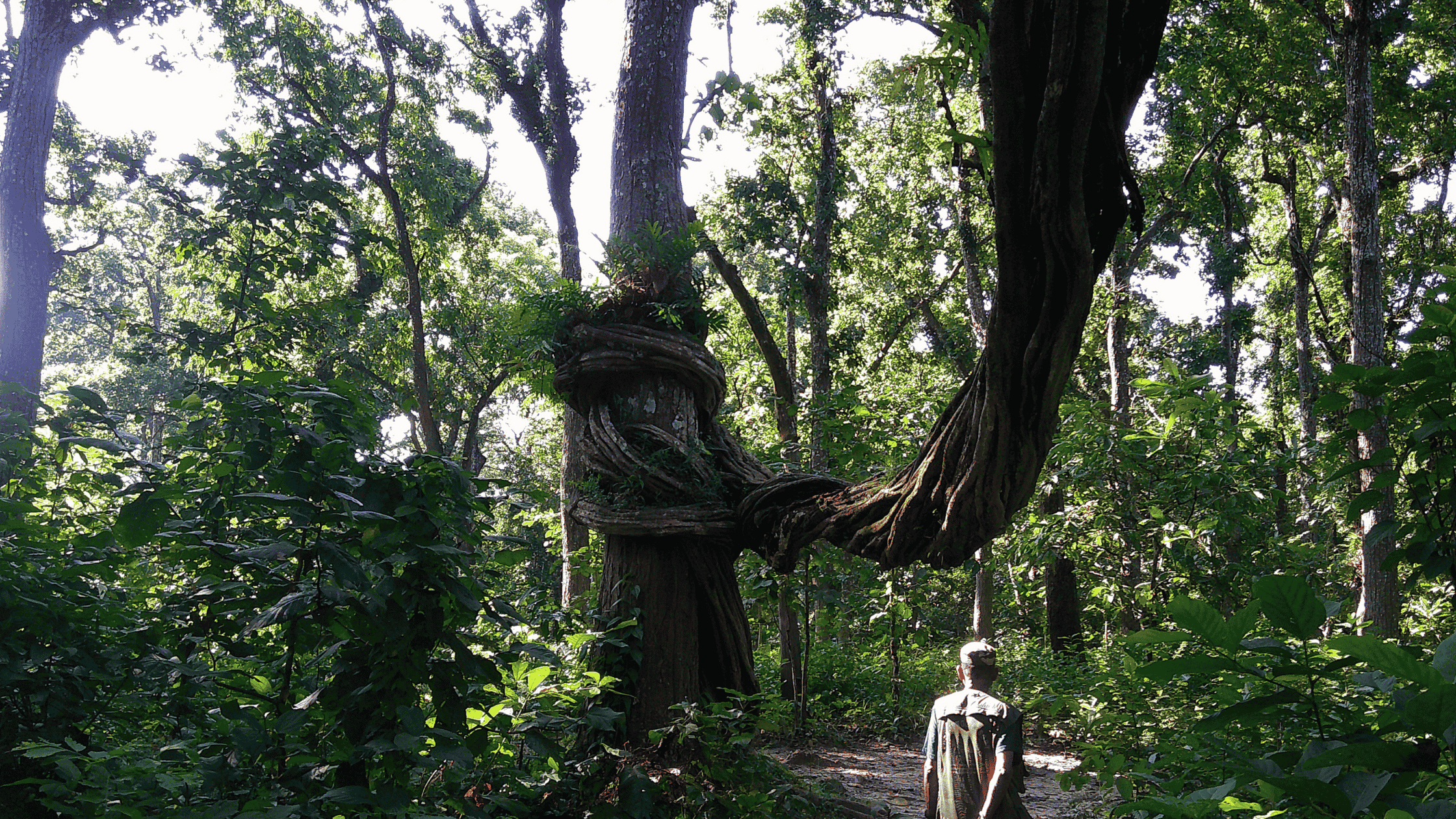
- Chitwan National Park: Go on jungle safaris to spot rhinos, tigers, and elephants.
- Pokhara: Relax by Phewa Lake, watch sunrise from Sarangkot, and experience adventure activities.
- Lumbini: Visit the birthplace of Buddha and explore sacred gardens and monasteries.
- Bandipur: Step back in time in this beautifully preserved hilltop town.
Embrace the Journey
Remember, traveling in Nepal is as much about the journey as the destination. Delays happen, plans change, and unexpected situations arise—often leading to the most memorable experiences. Embrace the chaos, practice patience, and remain flexible. The warmth of Nepali hospitality, the kindness of strangers, and the sheer beauty of the landscapes will reward your open-minded approach.
Conclusion: Travel Smart, Travel Deep
With these practical tips in mind, you're better prepared to navigate the joys and challenges of travel in Nepal. From smart packing and health precautions to cultural awareness and exploring beyond the mountains, each piece of advice comes from real experiences on the road. Nepal rewards thoughtful travelers with profound beauty, genuine connections, and memories that last a lifetime. Pack your curiosity, respect for local ways, and willingness to embrace the unexpected—your Himalayan adventure awaits.
Global Nepal Treks offers customized itineraries and expert guidance for travelers seeking authentic Nepal experiences. Contact us to plan your journey.
Website: www.globalnepaltreks.com
Email: info@globalnepaltreks.com