Unveiling the Mysteries of Upper Dolpo: A 15-Day Trek Through Nepal's Hidden Himalaya
Venture into the rugged terrain of Upper Dolpo, where ancient traditions and pristine landscapes converge to offer an unforgettable expedition. This remote district in western Nepal, immortalized in Peter Matthiessen's classic book "The Snow Leopard," remains one of the Himalayas' best-kept secrets. This 15-day trek unveils the hidden treasures of this extraordinary region, leading you through picturesque valleys, over formidable mountain passes, and into a world where Tibetan Buddhist culture has flourished for centuries.
The Magic of Upper Dolpo
Upper Dolpo occupies a rain-shadow region north of the Himalayan crest, resulting in a landscape more akin to the Tibetan Plateau than the lush hills of central Nepal. Stark cliffs in shades of ochre and red tower above deep gorges, while ancient pines and junipers cling to sheltered valleys. This is a land of dramatic contrasts—where snow peaks pierce azure skies, and the winds carry the sound of prayer flags across high-altitude deserts.
What makes Dolpo truly special is its cultural isolation. Cut off from the rest of Nepal by high passes closed by snow much of the year, Dolpo has preserved Tibetan Buddhist traditions in forms that have vanished from much of Tibet itself. Villagers speak Tibetan dialects, practice ancient Bon and Buddhist rituals, and maintain a way of life intimately connected to the land and their faith.
The Trekking Experience: 15 Days Through Hidden Valleys
Beginning in Dho Tarap: A Village Frozen in Time
The journey begins in the quaint village of Dho Tarap, nestled at 4,040 meters in a wide valley surrounded by snow-capped peaks. Here, time seems to have stood still. Whitewashed stone houses with flat roofs cluster together, their walls lined with neatly stacked firewood. Narrow alleys wind between homes, leading to small chortens and mani walls covered in intricately carved prayers stones.
Dho Tarap serves as the cultural heart of Upper Dolpo, inhabited by people of Tibetan origin who practice both Buddhism and the ancient Bon religion. As you wander through the village, you'll encounter friendly locals dressed in traditional woolen chubas, herding yaks or working in fields of buckwheat and barley. Take time to visit the village monastery, where monks chant ancient texts amidst flickering butter lamps, and perhaps receive a blessing from a local lama.
Through Alpine Meadows and High Passes
From Dho Tarap, the trail ascends towards the majestic Numa La pass (5,190 meters), one of the highest points on the trek. The route traverses high-altitude meadows that burst into vibrant life during summer, with wildflowers painting the landscape in shades of blue, yellow, and purple. Camp beneath star-studded skies that seem to stretch on for eternity, undisturbed by light pollution.
Along the way, keep your eyes peeled for rare wildlife. The elusive Himalayan blue sheep (bharal) graze on steep grassy slopes, their camouflage making them difficult to spot. If fortune favors you, you might glimpse the region's most famous resident—the snow leopard—though these ghostly cats are rarely seen. Other inhabitants include Himalayan marmots, Tibetan wolves, and bearded vultures circling overhead.
As you cross the Numa La pass, a profound sense of accomplishment washes over you. The panoramic views from the top stretch across endless mountain ranges, with peaks rising in every direction. Prayer flags strung across the pass flutter messages of peace to the winds—a tradition that connects you to countless travelers who have crossed before.
Descending into Verdant Valleys
The descent from Numa La leads into lush valleys where birch and juniper forests thrive, nourished by glacial streams. The contrast with the arid high country is striking—here, the landscape feels alive with bird song and the rush of waterfalls. Crystal-clear rivers tumble over boulders, creating pools that reflect the surrounding peaks.
Cultural Treasures Along the Trail
Upper Dolpo harbors cultural treasures that rival its natural beauty. Ancient monasteries perch on cliff edges, their whitewashed walls and golden rooftops visible from miles away. Shey Gompa, one of the region's most sacred sites, nestles at the foot of the Crystal Mountain, revered in both Buddhist and Bon traditions. Inside, murals dating back centuries depict Buddhist deities, while monks maintain daily prayer rituals unchanged for generations.
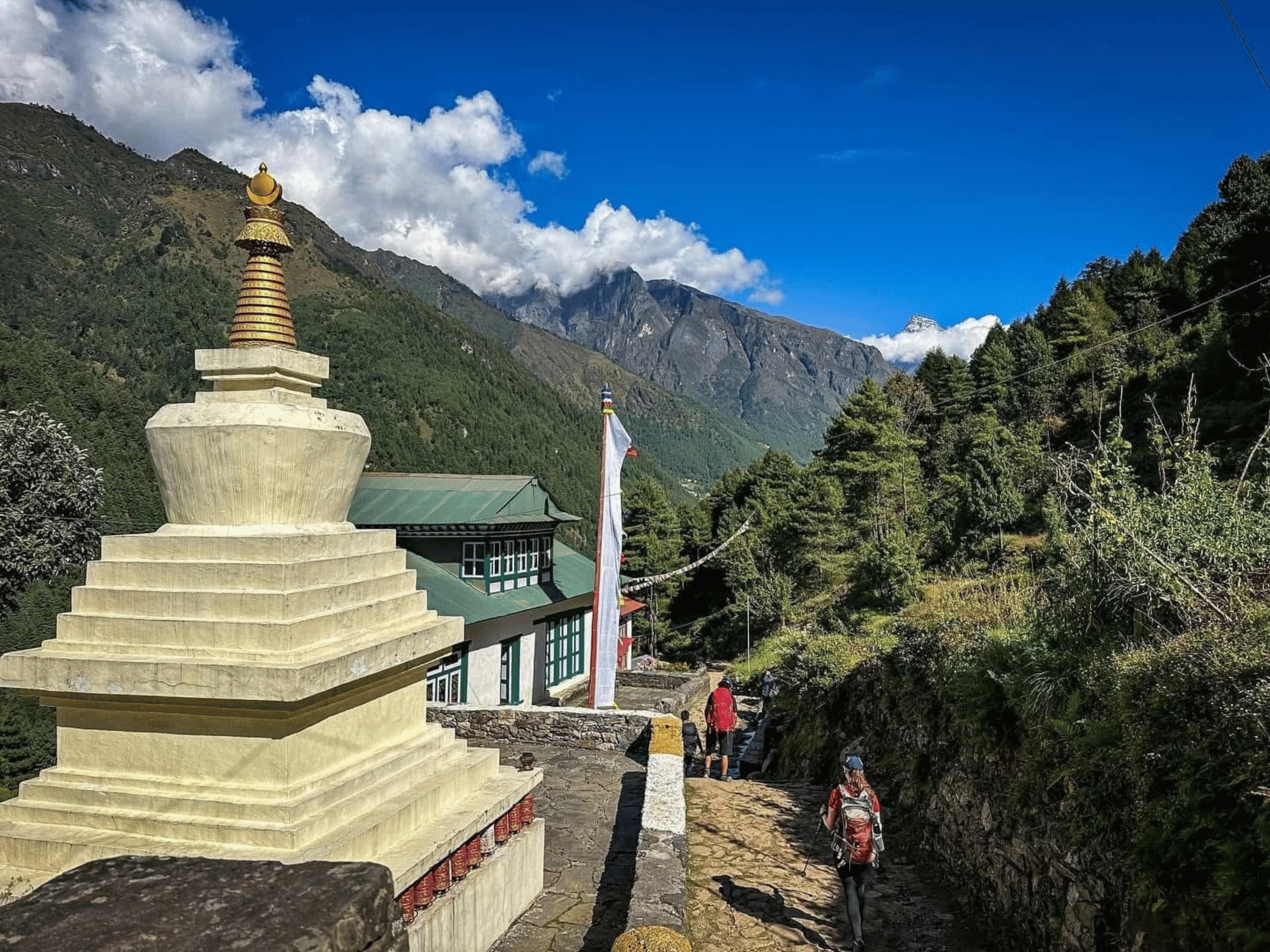
Smaller chortens and mani walls line the trails, each stone carved with the mantra "Om Mani Padme Hum." The custom of circumambulating these sacred structures clockwise provides a moving meditation as you walk. In villages, you may witness traditional ceremonies—perhaps a family gathering for a festival, or monks performing masked dances that enact ancient stories.
Practical Information for the Upper Dolpo Trek
Duration: 15 days (excluding travel to and from Nepal).
Difficulty: Strenuous. Multiple high passes above 5,000 meters require excellent fitness and proper acclimatization.
Best Season: June to September, when passes are free of snow. Even in summer, temperatures can drop below freezing at night.
Permits: Upper Dolpo is a restricted area requiring special permits. Trekkers must be part of an organized group with a licensed guide. Permit fees contribute to conservation and community development.
Accommodation: Camping is required throughout the trek, as teahouses are not available. Full camping arrangements including tents, food, and staff are essential.
Fitness Preparation: Extensive cardiovascular training, strength building, and previous high-altitude trekking experience recommended.
Why Upper Dolpo Belongs on Your Bucket List
- Authentic culture: Experience Tibetan Buddhist traditions in their purest form, untouched by modernization.
- Wilderness solitude: Trek for days without encountering other groups, surrounded by pristine nature.
- Spectacular landscapes: From high-altitude deserts to lush valleys, Dolpo's scenery defies description.
- Wildlife encounters: Opportunity to see rare Himalayan species in their natural habitat.
- Spiritual depth: Ancient monasteries and sacred sites create opportunities for reflection and connection.
Conclusion: A Journey Beyond Trekking
The Upper Dolpo trek is not merely a physical journey but a profound spiritual adventure. Each day brings new discoveries—a hidden monastery, a glimpse of blue sheep on distant slopes, a conversation with a yak herder whose life connects to traditions stretching back centuries. As you bid farewell to this enchanting land, you carry memories that will last a lifetime: of star-filled skies, of prayer flags snapping in mountain winds, of the warmth of people living in harmony with one of Earth's most challenging environments. For those ready to venture beyond Nepal's well-trodden paths, Upper Dolpo awaits—a true Himalayan paradise.
Global Nepal Treks organizes fully supported Upper Dolpo expeditions with experienced local guides, proper permits, and responsible camping practices. Contact us to begin planning your journey into Nepal's hidden Himalaya.
Website: www.globalnepaltreks.com
Email: info@globalnepaltreks.com