Top 10 Popular Travel Guidance Questions for Nepal: Complete FAQ
Planning a trip to Nepal raises many questions, from choosing destinations and activities to understanding local customs and logistics. This comprehensive FAQ addresses the most common travel guidance questions, providing clear answers to help you plan your Himalayan adventure with confidence.
1. What are the best activities in Nepal for tourists?
According to Nepal's Ministry of Tourism, major tourist activities span wilderness adventures, cultural exploration, and adrenaline sports. Key activities include:
- Trekking and hiking: From short easy walks to month-long expeditions in the Everest, Annapurna, and Langtang regions.
- Mountain biking: Challenging trails through the Himalayas and Kathmandu Valley.
- Bungee jumping: 160-meter plunge at The Last Resort near the Tibetan border.
- Rock climbing and mountaineering: Technical climbs on trekking peaks and major expeditions.
- Bird watching: Over 850 bird species recorded, with prime viewing in Chitwan and Koshi Tappu.
- Mountain flights: Scenic flights over Everest and the Himalayas.
- Paragliding and hot air ballooning: Soaring over Pokhara Valley with Annapurna views.
- White-water rafting and kayaking: Rivers ranging from gentle floats to challenging Class V rapids.
- Jungle safaris: Wildlife viewing in Chitwan and Bardia National Parks.
International elephant polo is also played at Chitwan National Park, adding a unique sporting event to Nepal's activity roster.
2. Which is the number one tourist place in Nepal?
Kathmandu ranks as Nepal's premier tourist destination, serving as the cultural and historical heart of the nation. The capital city and its valley contain seven UNESCO World Heritage Sites, including:
- Swayambhunath Stupa (Monkey Temple): Perched on a hilltop, this ancient Buddhist stupa offers panoramic valley views and is surrounded by playful monkeys, giving it its popular nickname.
- Kathmandu Durbar Square: A UNESCO World Heritage Site featuring ancient palaces, temples, and courtyards that showcase Nepal's royal history.
- Pashupatinath Temple: The most sacred Hindu temple complex on the Bagmati River banks.
- Boudhanath Stupa: One of the world's largest Buddhist stupas and center of Tibetan culture.
Beyond its monuments, Kathmandu's vibrant streets, markets, and cultural energy make it an essential stop for every visitor.
3. What are the top tourist places to visit in Nepal?
Nepal offers countless attractions across its diverse landscapes. Key destinations include:
- Pashupatinath Temple: Sacred Hindu temple complex in Kathmandu.
- Sagarmatha National Park: UNESCO site protecting Mount Everest and surrounding peaks.
- Phewa Lake: Pokhara's tranquil lake reflecting the Annapurna range.
- Langtang National Park: Accessible Himalayan wilderness north of Kathmandu.
- Swayambhunath Stupa: Ancient Buddhist stupa overlooking Kathmandu.
- Devi's Fall and Gupteshwor Cave: Waterfall and cave system in Pokhara.
- Nagarkot and Chandragiri: Hill stations offering Himalayan sunrise views.
- Janaki Temple: Important Hindu temple in Janakpur.
- Mount Annapurna and Annapurna Conservation Area: Premier trekking region.
- Chitwan National Park: Wildlife sanctuary with rhinos, tigers, and elephants.
- Bhaktapur Durbar Square: Medieval city preserved as a living museum.
4. What is Nepal famous for?
Nepal is renowned globally for two primary distinctions:
- Mount Everest: The world's highest peak at 8,848 meters, drawing climbers and trekkers from around the world.
- Lumbini: The birthplace of Gautama Buddha, one of Buddhism's holiest sites, attracting pilgrims and scholars worldwide.
Beyond these, Nepal is celebrated for its adventure tourism, including trekking, mountaineering, rafting, and jungle safaris. The country's rich cultural heritage, diverse ethnic groups, festivals, and hospitality also contribute to its global appeal.
5. Which is better for travel: Nepal or Bhutan?
The choice between Nepal and Bhutan depends on your travel preferences:
Choose Nepal for:
- High-peak treks and bagging summits (Everest, Annapurna, etc.)
- Wider range of trekking options and difficulty levels
- More budget-friendly travel with flexible accommodation and dining choices
- Rich cultural diversity with multiple ethnic groups and traditions
- Easier access and fewer permit restrictions for most areas
Choose Bhutan for:
- Pristine, less-crowded trekking experiences off the beaten track
- The feeling of being immersed among Himalayan giants without crowds
- Structured, all-inclusive travel with government-mandated daily tariffs
- Preserved Tibetan Buddhist culture in its purest form
- Unique architecture, monasteries, and festivals
Many travelers visit both countries on extended trips, combining Nepal's adventure opportunities with Bhutan's cultural richness.
6. What is Nepal's famous food?
Nepali cuisine offers diverse flavors influenced by Tibetan, Indian, and indigenous traditions:
- Dal Bhat: The national dish of lentil soup with rice, often accompanied by vegetable curry, pickles, and papadum. Served with unlimited refills in many teahouses.
- Momos: Nepal's beloved street food—steamed or fried dumplings filled with vegetables, buffalo, chicken, or buff, served with tomato chutney.
- Thukpa: Tibetan-style noodle soup perfect for trekking meals, with vegetables or meat in savory broth.
- Kwati: Nutritious vegetable stew made from mixed sprouted beans, traditionally eaten during festivals.
- Sekuwa: Grilled, marinated meat (similar to barbecue) popular in mountain regions.
- Chatamari: Often called "Nepali pizza," this rice crepe is topped with minced meat, eggs, and vegetables.
- Sha Phaley: Sherpa specialty of deep-fried bread stuffed with seasoned meat or vegetables.
- Tsampa: Roasted barley flour, a staple of Tibetan and Sherpa diets, providing sustained energy for trekking.
7. Which are the most scenic treks in Nepal?
Nepal offers countless spectacular treks. The most scenic include:
- Everest Base Camp: Best for close-up Everest views and Sherpa culture.
- Annapurna Circuit: Best for diverse scenery from subtropical forests to high-altitude desert.
- Manaslu Circuit: The best alternative to Annapurna, with wild landscapes and Tibetan culture.
- Annapurna Sanctuary: Best for intimate mountain scenery within a natural amphitheater.
- Ghandruk Loop: Nepal's best short trek, combining village culture with mountain views.
- Langtang Valley: Accessible trek with stunning peaks and Tamang culture.
- Tamang Heritage Trail: Cultural trek focused on Tamang traditions and village life.
- Kanchenjunga Base Camp: Remote wilderness with views of the world's third-highest peak.
8. What are the easiest treks in Nepal for beginners?
Several treks offer accessible introductions to Himalayan trekking:
- Ghorepani Poon Hill Trek: 4-5 days, moderate difficulty, spectacular sunrise views.
- Royal Trek: Named for Prince Charles' trek, easy walking through villages with mountain views.
- Panchase Trek: Short trek near Pokhara with forest and mountain scenery.
- Pikey Peak Trek: Lower Everest region trek with excellent Everest views and fewer crowds.
- Tamang Heritage Trail: Cultural trek with moderate walking and rich cultural experiences.
- Helambu Trek: Forested hills close to Kathmandu, suitable for beginners.
- Jomsom Muktinath Trek: Relatively easy walking through dramatic Kali Gandaki Valley.
- Annapurna Base Camp Trek: Moderate difficulty with spectacular mountain scenery (requires good fitness).
- Sikles Trek: Village-based trek in Annapurna region with cultural focus.
These treks feature well-established trails, good teahouse infrastructure, and manageable altitudes, making them ideal for first-time trekkers.
9. Which are the best less-crowded treks in Nepal?
For trekkers seeking solitude away from busy routes, these treks offer uncrowded experiences:
- Langtang Valley Trek: Beautiful valley with fewer trekkers than Everest or Annapurna.
- Tamang Heritage Trail: Cultural trek focused on Tamang villages near Langtang.
- Tsum Valley Trek: Sacred Himalayan valley with deep Buddhist traditions, often combined with Manaslu.
- Makalu Base Camp Trek: Remote wilderness in eastern Nepal with spectacular mountain views.
- Nar Phu Valley Trek: Isolated valleys with Tibetan culture, accessed from Annapurna Circuit.
- Ganesh Himal Trek: Untouched region with stunning views of the Ganesh massif.
- Dhaulagiri Circuit Trek: Challenging circuit around the world's seventh-highest peak.
- Dolpo Trek: Remote western region, immortalized in "The Snow Leopard," with pristine landscapes.
These treks often require more preparation, permits for restricted areas, and may involve camping rather than teahouse accommodation.
10. What essential travel guidance should every Nepal visitor know?
Beyond the specific questions above, every traveler to Nepal should remember:
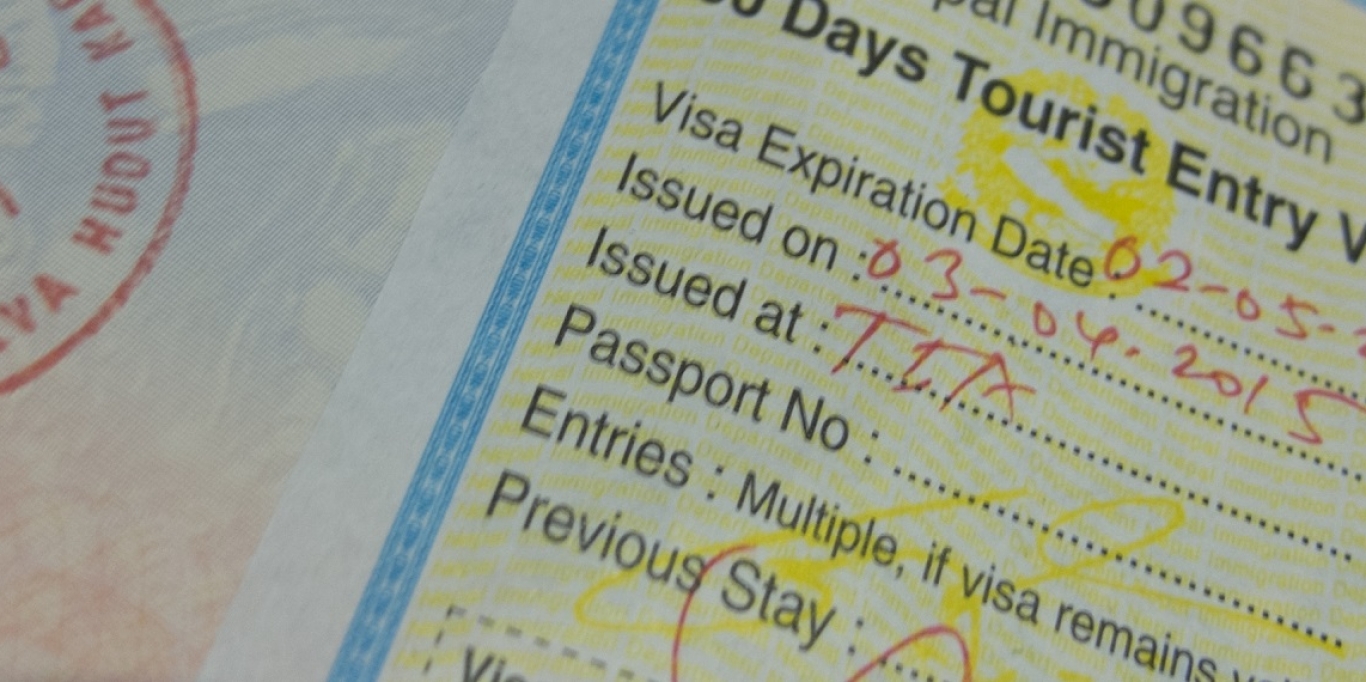
- Permits: Most treks require TIMS cards and national park permits. Restricted areas need special permits arranged through agencies.
- Best seasons: Spring (March-May) and autumn (September-November) offer optimal trekking conditions.
- Altitude safety: Ascend gradually, recognize AMS symptoms, and never ignore warning signs.
- Local customs: Remove shoes before entering temples, dress modestly, and greet with "Namaste."
- Packing: Layers, sturdy boots, sun protection, and reusable water bottle are essential.
- Insurance: Comprehensive travel insurance covering trekking activities and emergency evacuation is mandatory.
Conclusion: Your Nepal Journey Begins with Good Information
These ten questions represent just the beginning of planning a Nepal adventure. Armed with this guidance, you're better prepared to choose activities, destinations, and experiences that match your interests and abilities. Whether you're trekking to Everest Base Camp, exploring ancient cities, or seeking solitude on remote trails, Nepal rewards thoughtful preparation with unforgettable experiences.
Global Nepal Treks offers personalized trip planning, expert guides, and comprehensive support for all your Nepal travel needs. Contact us to turn your Himalayan dreams into reality.
Website: www.globalnepaltreks.com
Email: info@globalnepaltreks.com