18 Best Trekking Routes in Nepal for 2024: Complete Guide
Nepal is the land of the Himalayas, home to eight of the world's fourteen highest peaks, including Mount Everest, the highest point on Earth. For mountain lovers, trekking enthusiasts, and cultural explorers, this country offers an unparalleled diversity of experiences. From ancient spiritual routes to challenging high-altitude expeditions, Nepal's trekking routes cater to every level of adventurer. This comprehensive guide presents the 18 best routes to explore in 2024, with details on duration, difficulty, and unique highlights.
Annapurna Region Treks
1. Annapurna Base Camp Trek
Duration: 13 days | Difficulty: Challenging
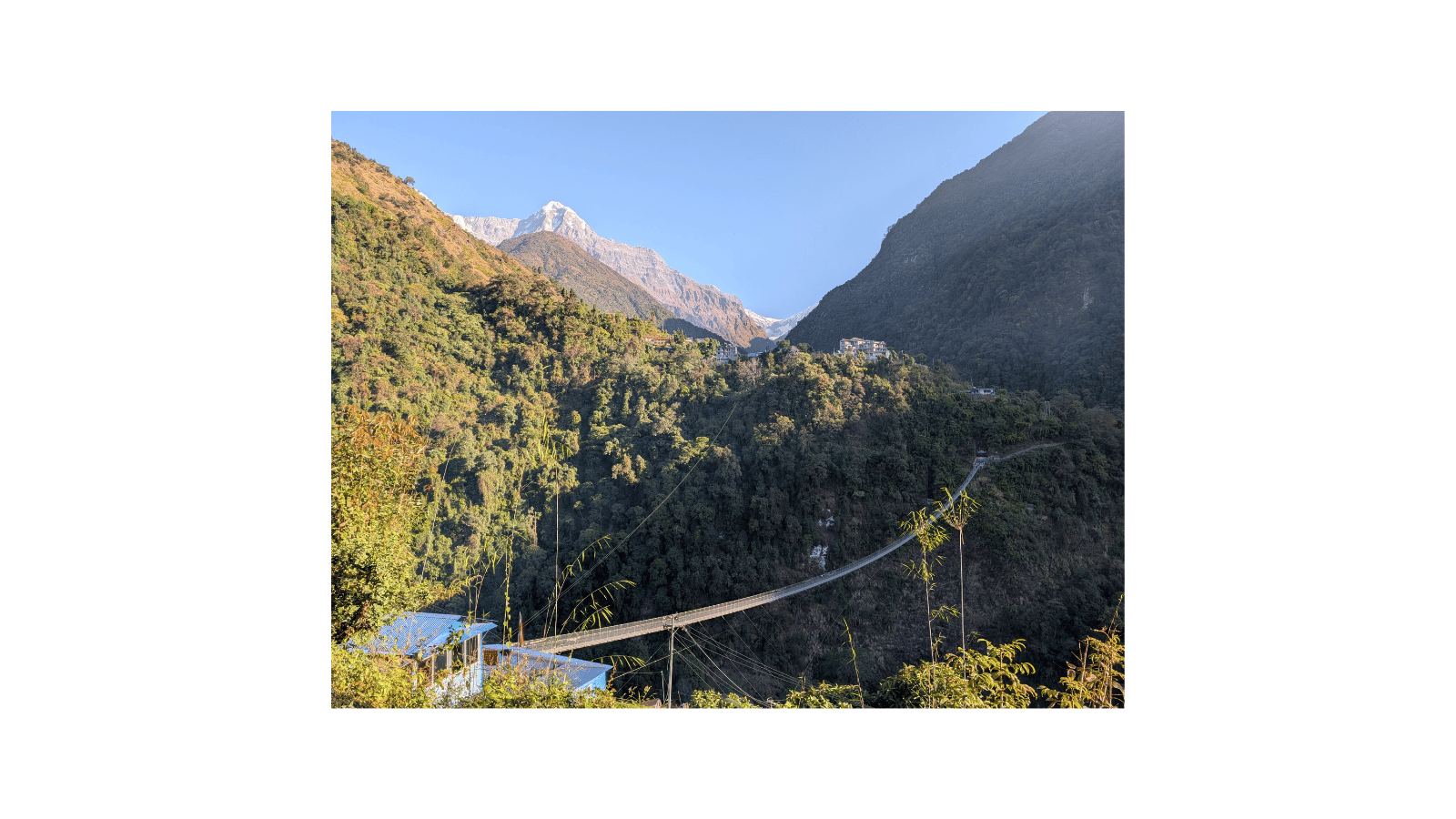
The Annapurna Base Camp trek leads into the heart of the Annapurna Sanctuary, a natural amphitheater surrounded by towering peaks including Annapurna I (8,091m), Machapuchhre (Fishtail), and Hiunchuli. The trail passes through diverse landscapes—from subtropical forests and terraced fields to alpine meadows and glacial moraines. Trekkers stay in comfortable teahouses along the route, with the famous "apple pie" available at many stops—earning this trek its nickname "Apple Pie Circuit." The sanctuary itself offers spectacular close-up views of the mountains and a profound sense of being cradled by the Himalayas.
2. Ghorepani Poon Hill Trek
Duration: 9 days | Difficulty: Moderate
One of Nepal's most popular short treks, the Ghorepani Poon Hill route delivers spectacular mountain views with manageable daily walks. The highlight is the pre-dawn hike to Poon Hill (3,210m), where trekkers witness sunrise illuminating the Annapurna and Dhaulagiri ranges, including the iconic pyramid of Machapuchhre. The trail winds through rhododendron forests (spectacular in spring), traditional Gurung villages, and terraced farmlands. This trek offers an excellent introduction to Himalayan trekking for those with limited time.
3. Annapurna Circuit Trek
Duration: 17 days | Difficulty: Challenging
Rightly considered one of the world's most complete treks, the Annapurna Circuit circles the entire Annapurna massif. The route traverses every climate zone from subtropical lowlands to high-altitude desert, crossing the Thorong La Pass at 5,416 meters—one of the trek's most challenging and rewarding sections. Trekkers experience the cultural diversity of the region, passing through villages inhabited by Gurung, Manangi, Thakali, and Tibetan communities. Ancient monasteries, prayer flags, and mani walls line the trail, while natural hot springs at Tatopani offer relaxation after days of walking.
4. Ghorepani Poon Hill Trek (Extended)
Duration: 17 days | Difficulty: Moderate
This extended version of the classic Poon Hill trek allows for deeper exploration of the Annapurna foothills. Beyond the famous sunrise viewpoint, the itinerary includes visits to traditional villages, longer sections through rhododendron forests, and additional acclimatization days. This version suits trekkers wanting a more immersive experience without tackling the highest passes of the full Annapurna Circuit.
Everest Region Treks
5. Everest Base Camp Trek
Duration: 13 days | Difficulty: Challenging
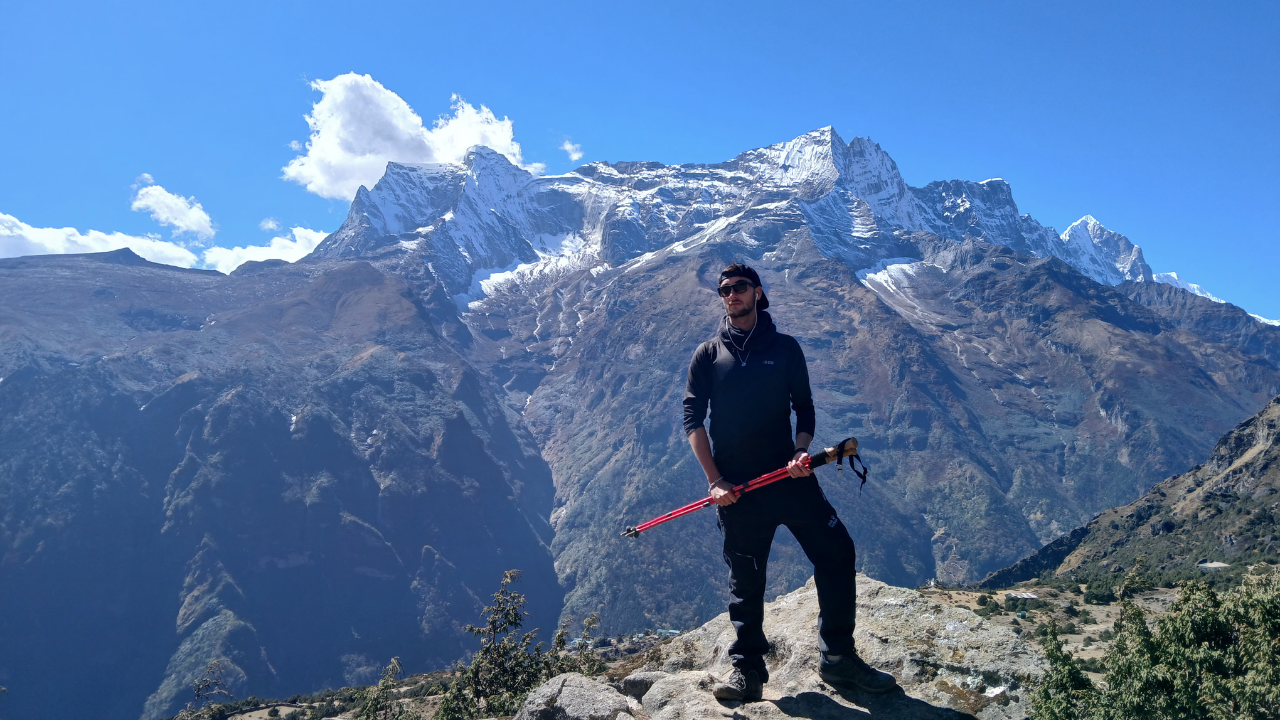
The most famous trek in the world, the Everest Base Camp journey leads through the heart of Sherpa country to the foot of the world's highest peak. The trail follows the Dudh Kosi River through pine forests, past Buddhist monasteries, and into the high-altitude landscapes of the Khumbu. Namche Bazaar, the region's trading hub, offers opportunities to acclimatize while exploring Sherpa culture. Tengboche Monastery, with its stunning mountain backdrop, provides spiritual respite. The final approach to Base Camp (5,364m) and the sunrise ascent of Kala Patthar (5,545m) for direct views of Everest are the trek's crowning moments.
6. Everest Gokyo Trek
Duration: 12 days | Difficulty: Challenging
This alternative Everest region trek focuses on the stunning Gokyo Valley, with its series of turquoise glacial lakes. The trek begins with the exhilarating flight to Lukla and follows the classic route to Namche before diverging toward the Gokyo Lakes. The climb to Gokyo Ri (5,360m) offers one of the region's most spectacular panoramas, with Everest, Lhotse, Makalu, and Cho Oyu arrayed before you. The trek provides excellent acclimatization through varied terrain and fewer crowds than the main EBC route.
7. Everest Kala Pattar Trek
Duration: 12 days | Difficulty: Challenging
Similar to the Everest Base Camp trek but focusing on the supreme viewpoint of Kala Pattar rather than reaching Base Camp itself. This variation allows trekkers to experience the heart of the Khumbu region and witness Everest from the famous black rock viewpoint while potentially spending less time at extreme altitudes. The route includes all the cultural highlights—Namche Bazaar, Tengboche Monastery, and Sherpa villages—with the crowning moment being sunrise over Everest from Kala Pattar.
8. Everest Tengboche Mani Rimdu Festival Trek
Duration: 13 days | Difficulty: Moderate
Each year after the autumn full moon, Buddhist communities in the Everest region celebrate Mani Rimdu, a festival marking the victory of Buddhism over the ancient Bon religion. The monasteries of Thame, Tengboche, and Chiwang open their doors for three days of public celebrations featuring masked dances, prayers, and rituals. This special trek combines the classic Everest route with the opportunity to witness this unique cultural event, providing deep immersion in Sherpa Buddhist traditions alongside spectacular mountain scenery.
9. Village Trek – Sherpa Trek
Duration: 9 days | Difficulty: Moderate
This unique circuit explores the Solu region, offering authentic Sherpa culture without the extreme altitudes of the high Khumbu. The trail passes through traditional villages surrounded by rice fields, forests, and moderate mountain views. Trekkers stay in local teahouses, sharing meals and stories with Sherpa families. This trek suits those wanting deep cultural immersion and beautiful landscapes without the physical demands of high-altitude trekking.
10. Khumbu Three Passes Trek
Duration: 18 days | Difficulty: Challenging
For experienced trekkers seeking the ultimate Everest region adventure, the Three Passes Trek crosses Kongma La (5,535m), Cho La (5,420m), and Renjo La (5,360m)—three high mountain passes connecting the main valleys of the Khumbu. This demanding circuit offers unparalleled views, remote trails, and a true sense of wilderness adventure. The route visits Everest Base Camp, Gokyo Lakes, and all the cultural highlights while providing the satisfaction of conquering three significant Himalayan passes.
Langtang and Helambu Region
11. Langtang, Gosaikunda & Helambu Trek
Duration: 14 days | Difficulty: Challenging
This combined trek links three beautiful regions close to Kathmandu. The Langtang Valley offers stunning mountain scenery and encounters with Tamang culture. The sacred lakes of Gosaikunda (4,280m) are a significant Hindu pilgrimage site, with dozens of sadhus gathering during the August full moon. Helambu provides gentle hills and forests inhabited by Sherpa and Tamang communities. Together, these treks offer diverse experiences: high mountains, sacred lakes, and forested hills, all within easy access of the capital.
Manaslu and Tsum Valley
12. Manaslu Circuit Trek
Duration: 16 days | Difficulty: Challenging
In the shadow of the Annapurnas, the Manaslu region remained wild and little-visited until recently. This trek circles the eighth-highest mountain in the world (8,163m) through landscapes ranging from subtropical forests to high glacial valleys. The Larkya La Pass (5,106m) offers magnificent panoramas of the Manaslu massif and neighboring peaks. The region preserves authentic Tibetan Buddhist culture, with ancient monasteries, prayer walls, and traditional villages little changed by tourism. The Manaslu Circuit has become the new must-do trek for those seeking wilderness and cultural immersion.
13. Tsum Valley Trek
Duration: 16-18 days | Difficulty: Moderate to Challenging
Tsum Valley, often combined with the Manaslu Circuit, is a sacred Himalayan valley steeped in Tibetan Buddhist culture. The name "Tsum" comes from the Tibetan word "Tsumbah," meaning remote—and this valley truly lives up to its name. Ancient monasteries, including Mu Gompa and Rachen Gompa, contain precious Buddhist relics. The valley's isolation has preserved traditions lost elsewhere, and villagers welcome trekkers with genuine warmth. The surrounding peaks of Ganesh Himal and Sringi Himal create a spectacular amphitheater.
Remote and Restricted Regions
14. Upper Mustang Trek
Duration: 14 days | Difficulty: Moderate
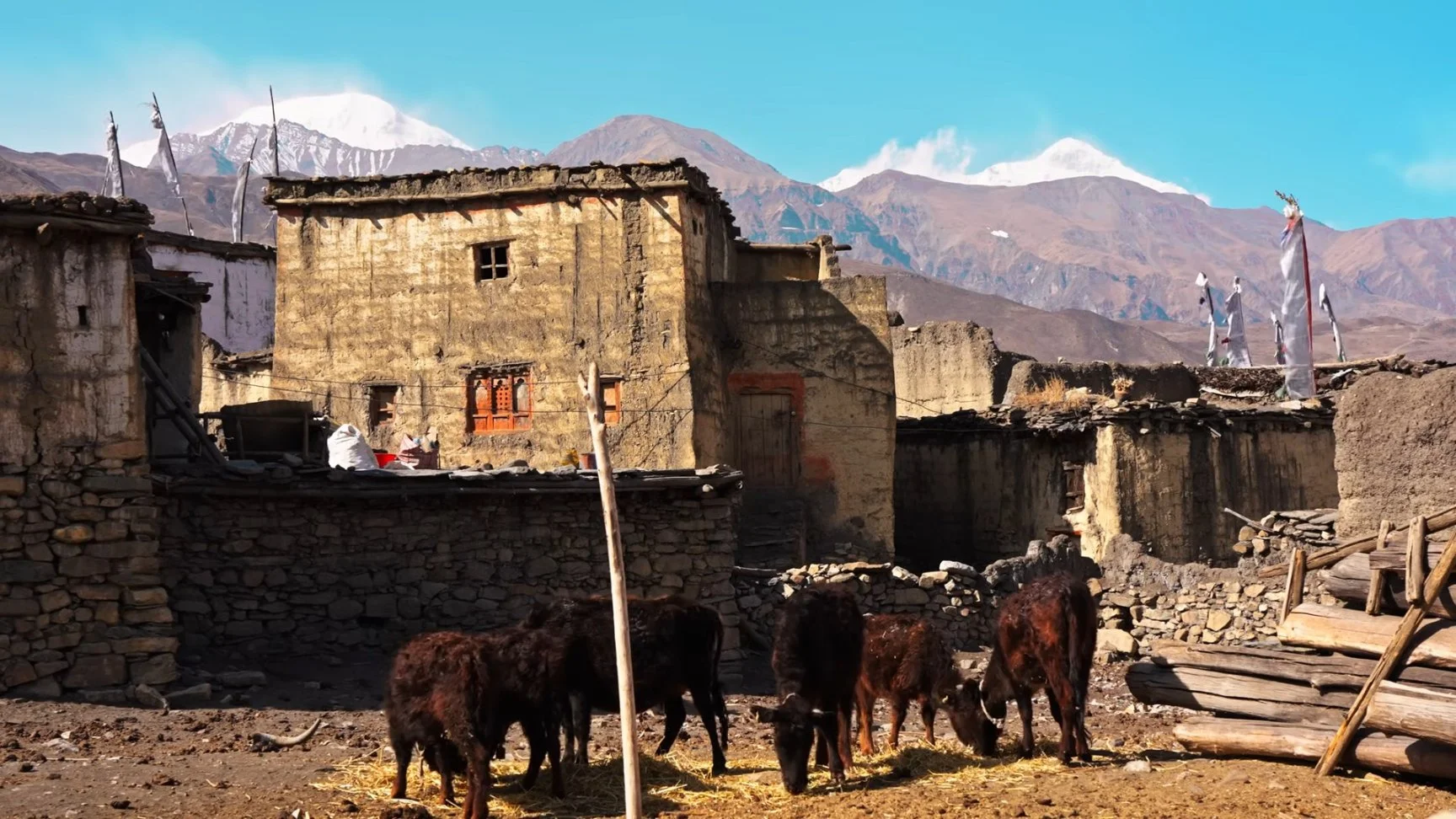
The ancient "Forbidden Kingdom" of Mustang, closed to foreigners until 1992, offers landscapes more reminiscent of the Tibetan Plateau than the rest of Nepal. This rain-shadow desert features ochre cliffs, fairy chimneys, deep gorges, and cave dwellings carved into vertical rock faces. The walled capital of Lo Manthang, with its red dzong and maze-like alleys, transports visitors back centuries. Tibetan Buddhist culture flourishes here in forms lost elsewhere. The trek provides a unique combination of stunning geology, ancient culture, and relatively moderate trekking at altitudes between 3,500-4,000 meters.
15. Dhaulagiri Circuit Trek
Duration: 19 days | Difficulty: Very Challenging
Circling the "White Mountain"—the world's seventh-highest peak at 8,167 meters—this trek is for experienced hikers seeking high-altitude adventure. The route crosses multiple passes above 5,000 meters, traverses glaciers, and offers some of Nepal's most dramatic mountain scenery. The circuit passes through isolated regions with diverse vegetation: jungle at low altitudes, bamboo forests, pine forests at mid-levels, and the glacial atmosphere of the high peaks. For the bravest, opportunities exist to climb a Nepalese "6000er" peak. This demanding trek requires excellent fitness, proper acclimatization, and previous high-altitude experience.
16. Kanchenjunga Base Camp Trek
Duration: 21 days | Difficulty: Challenging
This exceptional trek explores the far eastern corner of Nepal, leading to the base of the world's third-highest mountain, Kanchenjunga (8,586m). The route passes through remote, wild country—from rice fields and subtropical jungle to alpine pastures and glacial valleys. Trekkers reach the magnificent viewpoints of Oktang and Pang Pema, offering north and south perspectives of Kanchenjunga's massive slopes. The region remains one of Nepal's least-visited trekking areas, offering true wilderness experiences and encounters with Rai, Limbu, and Tibetan communities. This demanding trek requires excellent fitness and充足的 time.
Cultural Routes
17. Kathmandu Valley Cultural Trek
Duration: 8 days | Difficulty: Easy to Moderate
Not all of Nepal's best routes require high-altitude trekking. The Kathmandu Valley itself offers rich cultural exploration among its seven UNESCO World Heritage Sites. This itinerary connects the valley's three royal cities—Kathmandu, Patan, and Bhaktapur—with short walks through traditional villages and agricultural landscapes. Trekkers explore ancient temples, durbar squares, and stupas while experiencing Newari culture, crafts, and cuisine. The route includes hilltop viewpoints like Nagarkot for Himalayan panoramas without the demands of high-altitude trekking.
18. Lumbini Pilgrimage Route
Duration: 4-5 days | Difficulty: Easy
Lumbini, the birthplace of Lord Buddha, draws pilgrims and travelers from around the world. While not a trekking route in the traditional sense, exploring the sacred garden, Maya Devi Temple, and monasteries built by Buddhist communities from dozens of countries offers profound cultural and spiritual experiences. Combined with visits to nearby sites like Kapilvastu and the quiet villages of the Terai, this route provides insight into Buddhism's origins and Nepal's religious heritage.
Choosing Your Route for 2024
When selecting your Nepal trek, consider:
- Time available: Routes range from 8 to 21 days
- Fitness level: Difficulty varies from easy cultural walks to very challenging high-altitude expeditions
- Season: Spring (March-May) and autumn (September-November) offer best conditions
- Interests: Some treks emphasize mountain scenery, others culture, wildlife, or spiritual experiences
- Experience: Remote region treks require previous high-altitude experience
Conclusion: Your Himalayan Adventure Awaits
Nepal's 18 best routes represent just a sampling of the trekking possibilities in this Himalayan nation. From the world-famous Everest Base Camp to remote wilderness circuits like Kanchenjunga, from cultural explorations of ancient cities to spiritual journeys through sacred valleys, each route offers unique rewards. Whether you're a first-time trekker or an experienced mountaineer, 2024 presents the perfect opportunity to explore these trails. The mountains, villages, monasteries, and people await—ready to share the magic that has drawn adventurers to Nepal for generations.
Global Nepal Treks specializes in organizing treks on all these routes, with experienced guides, proper permits, and responsible practices. Contact us to plan your 2024 Himalayan adventure.
Website: www.globalnepaltreks.com
Email: info@globalnepaltreks.com