Why Is Mount Everest So Unique? Exploring Its Mysteries, Challenges, and Allure
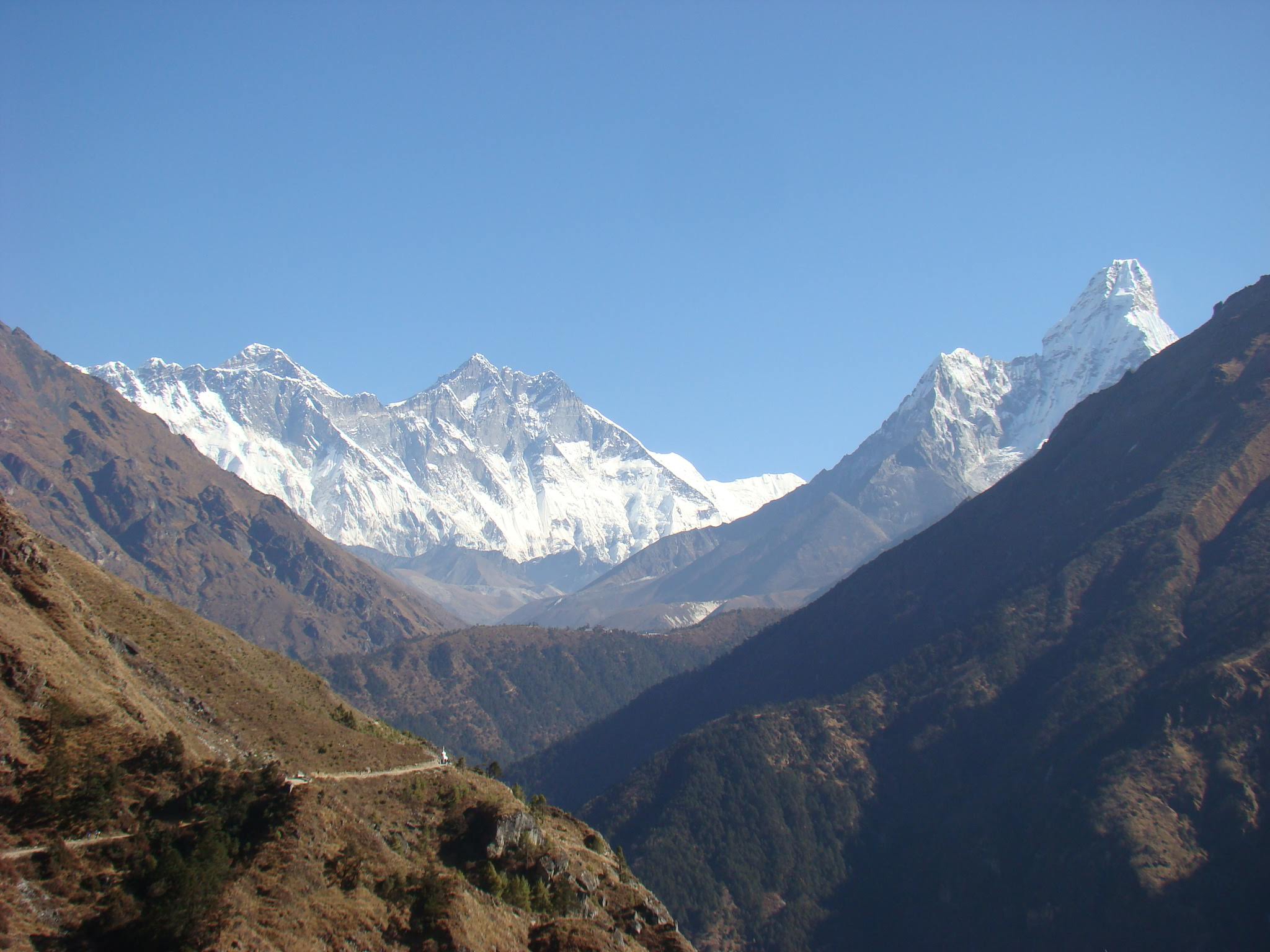
Mount Everest, standing at 8,848.86 meters (29,031.7 feet), is more than the world's tallest mountain—it is a beacon of adventure, mystery, and unparalleled natural beauty. Nestled in the heart of the Himalayas, this iconic peak attracts adventurers, trekkers, and climbers from across the globe, eager to conquer its summit or marvel at its grandeur from base camp.
Known locally as Sagarmatha in Nepali and Chomolungma in Tibetan, the mountain holds deep spiritual significance for local communities. From its ever-growing stature due to tectonic activity to the treacherous Death Zone above 8,000 meters, Mount Everest continues to inspire awe and curiosity. This article answers the most frequently asked questions about this remarkable peak.
Why Is Everest Called Everest?
Mount Everest was named after Sir George Everest, a British surveyor-general of India in the 19th century. The mountain was initially known as Peak XV until 1865, when the Royal Geographical Society officially named it Mount Everest. Locally, it is called Sagarmatha in Nepali, meaning "Head of the Sky," and Chomolungma in Tibetan, meaning "Mother Goddess of the World." These names reflect the deep cultural and spiritual connection local communities have with the mountain.
Why Is Everest Getting Taller?
Mount Everest continues to grow due to ongoing tectonic activity. The Indian and Eurasian plates collide, causing the Himalayas—including Everest—to rise by approximately 4 millimeters annually. The 2015 earthquake in Nepal also contributed to changes in Everest's height, which was officially remeasured in 2020 by Nepali and Chinese authorities, confirming the current elevation of 8,848.86 meters.
Why Is Everest So Hard to Climb?
Climbing Mount Everest presents numerous challenges:
- Extreme Altitude: Above 8,000 meters, the air contains only one-third of the oxygen available at sea level, making breathing difficult even with supplemental oxygen.
- Harsh Weather: Freezing temperatures, hurricane-force winds, and sudden storms create perilous conditions.
- Treacherous Terrain: Climbers navigate crevasses, the Khumbu Icefall, steep ridges, and exposed sections like the Hillary Step.
- Physical and Mental Demands: Months of training and acclimatization are required, along with immense determination to push through exhaustion and cold.
Why Is Everest So Dangerous?
The mountain's dangers are well-documented:
- The Death Zone: Above 8,000 meters, oxygen levels are insufficient for human survival. Climbers risk altitude sickness, frostbite, cerebral edema, and organ failure.
- Unpredictable Weather: Sudden snowstorms and avalanches can occur without warning, trapping climbers.
- Overcrowding: Congestion on narrow paths, particularly near the summit, increases accident risks and depletes oxygen supplies.
- Exhaustion: Many climbers underestimate the physical toll, leading to life-threatening situations.
Why Is Everest So Expensive to Climb?
The cost of climbing Everest typically ranges from $35,000 to $100,000 or more, depending on the level of service. Major expenses include:
- Permits: The Nepali government charges approximately $11,000 per person for a climbing permit.
- Guides and Sherpas: Hiring experienced climbing Sherpas and guides ensures safety but adds significant cost.
- Gear and Equipment: Specialized high-altitude clothing, boots, oxygen systems, and climbing gear are essential.
- Logistics: Transporting food, oxygen tanks, tents, and other supplies to Base Camp and higher camps requires substantial investment.
Why Is Everest Called Sagarmatha and Chomolungma?
Sagarmatha, meaning "Head of the Sky," reflects Nepali reverence for the mountain. In Tibetan culture, Chomolungma, meaning "Mother Goddess of the World," symbolizes sacred significance. These names highlight the mountain's spiritual and cultural importance beyond its physical stature.
Why Is Everest So Popular?
Everest's enduring popularity stems from multiple factors:
- Record-Breaking Status: Being the highest peak in the world makes summiting a coveted achievement.
- Adventure and Challenge: Climbers seek the thrill of conquering one of nature's most formidable obstacles.
- Media Coverage: Documentaries, books, and films have immortalized Everest's allure and the stories of those who attempt it.
Why Is Everest Increasingly Crowded?
The number of climbers attempting Everest has surged in recent years due to:
- Increased Accessibility: Improved trekking infrastructure, more affordable gear, and established guiding companies.
- Permit Availability: Nepal's government issues numerous permits during peak spring season.
- Social Media Influence: The prestige and recognition of summiting Everest draw climbers seeking to share their achievements.
Why Is Everest Considered a Wonder of the World?
Mount Everest is regarded as a natural wonder for several reasons:
- Its Height: It is the tallest mountain on Earth, a definitive geographical feature.
- Breathtaking Views: The Himalayan panorama from its slopes is unparalleled in scale and beauty.
- Cultural Significance: Sacred to local communities, Everest symbolizes human endurance and aspiration.
Why Is Everest Always Covered with Snow?
Everest's permanent snow cover results from its extreme altitude and consistently freezing temperatures. The summit remains below freezing year-round, causing precipitation to fall as snow, which accumulates and never melts. Even during summer, temperatures at the summit rarely rise above -20°C.
Why Is Everest Considered Easier Than K2?
K2, the world's second-highest peak at 8,611 meters, is technically more challenging than Everest. Despite being shorter, K2 features steeper slopes, more unpredictable weather, and fewer established routes. Everest, while higher, has more gradual ascent routes and better infrastructure, including fixed ropes and more experienced guiding services.
Why Is Kilimanjaro Sometimes Considered Harder Than Everest?
While Everest requires technical climbing skills, Kilimanjaro (5,895 meters) presents a different challenge: its rapid ascent profile. Trekkers on Kilimanjaro typically reach high altitudes in 5-7 days, leaving minimal time for acclimatization. This increases the risk of altitude sickness despite the lower absolute elevation. Everest expeditions incorporate more acclimatization days, allowing gradual adjustment.
Why Is the Area Above 8,000 Meters Called the Death Zone?
The region above 8,000 meters is known as the Death Zone because:
- Atmospheric oxygen is insufficient for long-term human survival.
- The body's cells begin to deteriorate in the extreme cold and low pressure.
- Climbers have a limited time window—typically 16-20 hours—to summit and return to lower altitudes before their bodies succumb to the conditions.
What Makes Mount Everest Truly Unique?
Mount Everest's uniqueness stems from multiple dimensions:
- Its Height: As Earth's highest point, it represents the ultimate challenge for climbers.
- Cultural Value: Revered by both Nepali and Tibetan cultures as a sacred entity.
- Historical Significance: The site of legendary expeditions, including the first successful summit by Edmund Hillary and Tenzing Norgay in 1953.
- Geological Activity: Its continuing growth reminds us of Earth's dynamic processes.
- Symbolic Power: Everest represents human ambition, resilience, and the drive to explore beyond limits.
Conclusion: Understanding Everest's Enduring Allure
Mount Everest is more than a mountain—it is a symbol of human ambition, resilience, and the raw beauty of nature. Whether you plan to trek to its base camp, climb its slopes, or simply admire it from afar, understanding its unique characteristics adds depth to the experience. From its geological growth to its cultural significance and formidable challenges, Everest continues to capture the imagination of people worldwide.
For those considering an Everest adventure, Global Nepal Treks offers expertly guided treks to Everest Base Camp and beyond. Contact us to experience the magic of this remarkable peak safely and memorably.
Website: www.globalnepaltreks.com
Email: info@globalnepaltreks.com