Celebrate Holi Festival in Nepal: A Colorful Extravaganza
Nepal, a land of diverse cultures and rich traditions, comes alive during the vibrant celebration of Holi. This joyous festival, known as the "Festival of Colors," ranks among the most anticipated events in the country, attracting both locals and tourists eager to participate in the colorful revelry. This guide explores the traditions, significance, and experience of celebrating Holi in Nepal.
Understanding the Significance of Holi in Nepali Culture
Historical Roots of Holi in Nepal
Holi holds significant historical and cultural importance in Nepal, with origins tracing back to Hindu mythology. The festival is particularly associated with legends of Lord Krishna, who according to ancient tales, celebrated by spraying colors and water on his beloved Radha and the Gopis of Vrindavan. This playful tradition has been passed down through generations and continues to be celebrated fervently across Nepal, especially in the Terai region and urban centers like Kathmandu.
Religious and Social Significance
Beyond its mythological origins, Holi carries deep religious and social meaning in Nepali culture. The festival symbolizes:
- Victory of good over evil: Commemorating the burning of the demoness Holika, from which the festival derives its name.
- Arrival of spring: Marking the end of winter and the rebirth of nature with blooming flowers and warmer weather.
- Social harmony: The colors erase social distinctions as people from all backgrounds celebrate together.
- Renewal of relationships: A time to repair broken bonds and strengthen family and community ties.
The festival fosters camaraderie as individuals from all walks of life come together, forgetting differences and embracing joy and harmony.
When Holi is Celebrated in Nepal
Holi typically falls in March on the full moon day (Purnima) of the Nepali month of Falgun. The celebration spans two days in most parts of Nepal:
- Day 1 (Falgu Purnima): Known as "Chhoti Holi" or "Holika Dahan," people gather around bonfires in the evening, symbolizing the burning of evil. Religious rituals and prayers accompany the fire ceremony.
- Day 2 (Dhulandi): The main day of color play, when people take to the streets armed with colored powders, water balloons, and pichkaris (water guns).
In the hilly regions including Kathmandu, Holi is celebrated a day earlier than in the Terai plains, following different lunar calculations.
Experiencing the Festivities: Traditions and Customs
Preparations and Rituals
Preparations for Holi begin weeks in advance. Households clean their homes thoroughly, purchase vibrant colors (traditionally derived from natural sources like flowers and herbs), and prepare special festival foods. Markets fill with packets of gulal (colored powder), water guns, and balloons. On the eve of Holi, communities construct pyres for Holika Dahan, gathering wood and combustible materials for the ritual bonfire.
Playing with Colors
The highlight of Holi lies in the joyful throwing of colors. On the main day, streets across Nepal transform into riotous canvases as people chase each other with buckets of colored water and handfuls of bright powders. Participants smear each other's faces with colors, spray water, and dance to traditional folk music and modern beats played from speakers. The atmosphere fills with laughter, music, and shouts of "Holi Hai!"
Important tips for visitors:
- Wear old, white clothing that you don't mind staining—the colors show beautifully on white.
- Apply coconut oil or moisturizer to skin and hair beforehand to make color removal easier.
- Protect your eyes and mouth during color play.
- Join celebrations in public spaces like Kathmandu's Basantapur Durbar Square or Thamel for the most festive atmosphere.
Savoring Traditional Delicacies
No festival in Nepal is complete without indulging in special foods. During Holi, people prepare and share:
- Gujiya: Sweet dumplings filled with khoya (milk solids) and dried fruits, fried and dipped in sugar syrup.
- Thandai: A refreshing cold drink made with milk, nuts, and aromatic spices—sometimes prepared in both non-intoxicating and bhang-infused versions.
- Puran Poli: Sweet flatbread stuffed with lentil and jaggery filling.
- Dahi Bhalla: Lentil fritters served with yogurt and tangy chutneys.
- Malpuas: Sweet pancakes soaked in sugar syrup.
These delicacies are shared generously among friends, neighbors, and relatives, with homes opening their doors to visitors throughout the day.
Where to Experience Holi in Nepal
Kathmandu Valley: The capital offers the most accessible Holi experience for tourists. Basantapur Durbar Square, Thamel, and Patan Durbar Square become epicenters of celebration with organized events, music, and crowds of revelers.
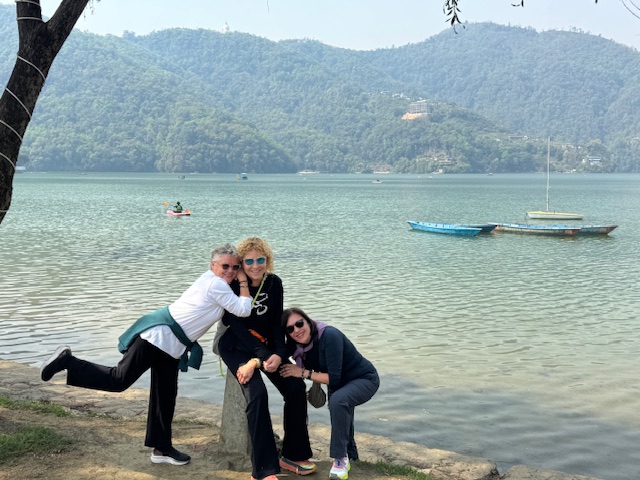
Pokhara: The lakeside city hosts vibrant celebrations along the waterfront, with a more relaxed atmosphere than Kathmandu.
Terai region: Cities like Birgunj, Janakpur, and Nepalgunj celebrate Holi with particular enthusiasm, often preserving more traditional customs.
Rural villages: For an authentic experience, smaller communities offer intimate celebrations focused on community bonding rather than tourist-oriented events.
Safety and Etiquette Tips for Visitors
- Respect boundaries: While Holi is playful, always ask before applying colors to someone who appears hesitant.
- Protect belongings: Use waterproof phone pouches and leave valuables in your accommodation.
- Stay hydrated: March temperatures can be warm, and dancing in the sun causes dehydration.
- Be mindful of consent: The festival should be joyful for everyone; avoid unwanted advances or behavior.
- Use natural colors when possible: Traditional herbal colors are safer for skin and easier to wash off than synthetic alternatives.
- Plan transportation: Roads fill with revelers; allow extra time for movement or stay within walking distance of celebrations.
Conclusion: Embrace the Colors of Holi in Nepal
The Holi festival in Nepal offers visitors a rare opportunity to participate in one of South Asia's most joyous traditions. It is a celebration of life, love, and unity—a time when social barriers dissolve and strangers become friends through shared laughter and color. As the vibrant powders fill the air, participants experience the warmth of Nepali hospitality and the timeless spirit of this ancient festival. For travelers seeking authentic cultural immersion, timing a visit to coincide with Holi creates memories that last long after the colors fade.
Global Nepal Treks can help you plan your visit to coincide with Holi celebrations, arranging accommodations, guided festival experiences, and cultural tours that showcase the best of Nepal's festive traditions. Contact us to learn more.
Website: www.globalnepaltreks.com
Email: info@globalnepaltreks.com