Top Places to Visit in Kathmandu: A Complete Guide to Nepal's Capital
Kathmandu, the vibrant capital city of Nepal, serves as the gateway to the Himalayas and offers a fascinating blend of ancient history, rich culture, and bustling urban life. For travelers beginning their Nepal adventure, the city provides an essential introduction to the country's heritage. This guide covers the must-visit attractions that should feature on every visitor's itinerary.
Kathmandu Durbar Square
This UNESCO World Heritage Site stands as the historical and cultural heart of the city. The square features an extraordinary collection of ancient palaces, temples, courtyards, and intricately carved wooden architecture dating from the 12th to the 18th centuries. Key structures include the Hanuman Dhoka Palace, the Taleju Temple, and the Kumari Ghar—home to the living goddess Kumari. Visitors can spend hours exploring the square's numerous monuments and observing daily life unfold against this historic backdrop. Despite damage from the 2015 earthquake, restoration efforts continue, and the square remains a captivating destination.
Swayambhunath Stupa (Monkey Temple)
Perched atop a hill west of Kathmandu, this iconic Buddhist stupa offers panoramic views of the entire Kathmandu Valley. The site derives its nickname from the sacred monkeys that inhabit the area, considered manifestations of the deity Hariti. A steep stone staircase of 365 steps leads to the main stupa, its spire adorned with colorful prayer flags and the all-seeing eyes of Buddha painted on all four sides. The complex also includes numerous shrines, temples, and a Tibetan Buddhist monastery. Sunset visits reward travelers with spectacular city views as the evening light paints the landscape.
Boudhanath Stupa
Another UNESCO World Heritage Site, Boudhanath ranks among the largest stupas in the world and serves as one of the most important pilgrimage sites for Buddhists, particularly Tibetan Buddhists in exile. The massive mandala design features a whitewashed dome with a golden spire adorned with Buddha's eyes. Pilgrims circle the stupa clockwise, spinning prayer wheels and chanting mantras. The surrounding neighborhood has developed into a center of Tibetan culture, filled with monasteries, shops selling Tibetan crafts and thankas, and restaurants serving authentic Tibetan cuisine. The area takes on a special atmosphere during the evening when thousands of butter lamps are lit.
Pashupatinath Temple
Located on the banks of the Bagmati River, this sacred Hindu temple complex stands as the most important Shiva temple in Nepal. The main temple features stunning pagoda architecture with gold-plated roofs and silver-plated doors, though non-Hindus cannot enter the inner sanctum. Visitors can observe cremation ceremonies taking place on the riverbank ghats, offering profound insights into Hindu death rituals and beliefs about reincarnation. The complex also contains numerous smaller temples, ashrams, and statues, with sadhus (holy men) often present for blessings and photographs. The most auspicious time to visit is during the Shivaratri festival when hundreds of thousands of pilgrims gather.
Thamel
Kathmandu's bustling tourist district pulses with energy day and night. Thamel's narrow streets overflow with shops selling trekking gear, pashminas, handicrafts, thankas, and souvenirs. The area offers extraordinary dining diversity, with restaurants serving Nepali, Tibetan, Indian, Italian, Japanese, Mexican, and other international cuisines. Live music venues, bars, and clubs provide evening entertainment. For trekkers, Thamel serves as the ideal place to arrange last-minute gear rentals, book tours, and meet fellow travelers. Despite its tourist orientation, wandering Thamel's alleys reveals glimpses of local life and traditional Newari architecture hidden behind modern storefronts.
Garden of Dreams
Located in the heart of Kathmandu near Thamel, this neo-classical garden offers a peaceful oasis away from the city's chaos. Designed in the early 20th century by Kishore Narshingh, the garden features pavilions, fountains, ponds, and extensive landscaped grounds combining European and Nepali architectural elements. Restored with Norwegian government assistance, the garden provides a serene environment for reading, relaxing, or enjoying coffee at the outdoor café. Classical music concerts and cultural events occasionally take place in the pavilions.
Narayanhiti Palace Museum
Formerly the royal palace of the Shah dynasty, this museum opened to the public in 2008 following Nepal's transition to a republic. The palace complex offers insights into Nepal's royal history, with exhibits showcasing artifacts, paintings, thrones, and the opulent lifestyle of the monarchy. Visitors can explore the grand reception halls, private quarters, and the actual rooms where the 2001 royal massacre occurred. The museum provides context for understanding Nepal's political evolution and the relationship between the monarchy and the nation's development.
Kathmandu Valley Cultural Tour: Bhaktapur and Patan
Beyond Kathmandu proper, the neighboring cities of Bhaktapur and Patan deserve exploration for their own UNESCO World Heritage Sites.
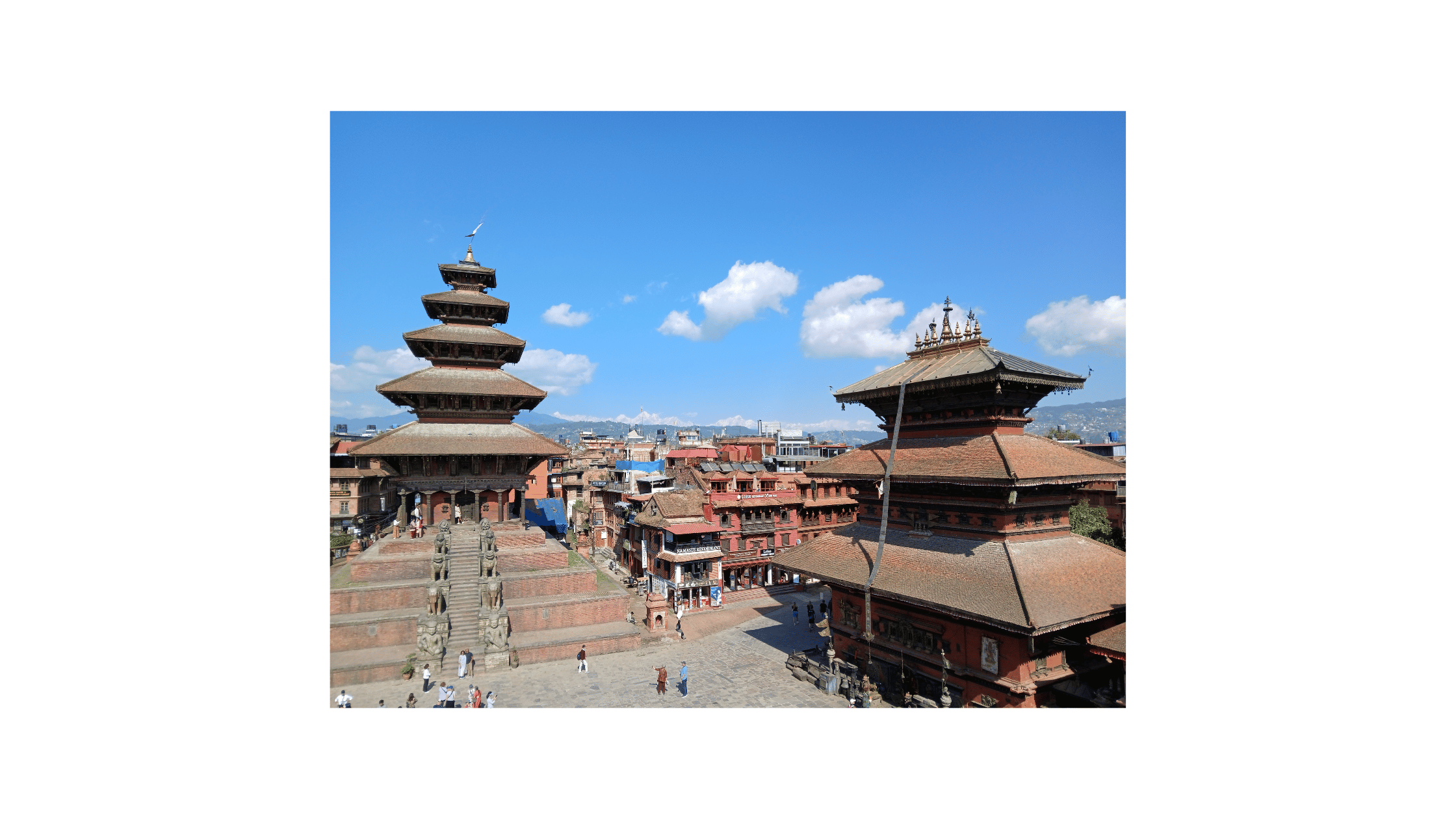
Bhaktapur Durbar Square: This medieval city preserves an atmosphere untouched by modern development. The square features the magnificent 55-Window Palace, the Golden Gate, and the towering Nyatapola Temple. Bhaktapur's Pottery Square offers opportunities to watch traditional potters at work.
Patan Durbar Square: Also known as Lalitpur, Patan showcases exceptional Newari architecture and is renowned for its fine metalwork and crafts. The square houses the ancient royal palace, now a museum, and numerous temples including the Krishna Mandir with its stone carvings.
Both cities provide deeper understanding of Newari culture and the artistic heritage of the Kathmandu Valley.
Additional Recommendations
- Budhanilkantha Temple: Features a remarkable 5th-century stone statue of Lord Vishnu reclining on a serpent in a pool of water.
- National Museum of Nepal: Houses extensive collections of historical artifacts, sculptures, and weapons.
- Kopan Monastery: A Tibetan Buddhist monastery offering meditation courses and spectacular valley views.
- Changunarayan Temple: The oldest temple in the valley, dedicated to Vishnu and featuring exquisite stone and wood carvings.
Practical Tips for Visiting Kathmandu
- Timing: October to December and March to April offer the most pleasant weather for sightseeing.
- Transportation: Taxis and ride-sharing apps provide convenient transportation between sites. Negotiate fares in advance or insist on metered fares.
- Dress code: Cover shoulders and knees when visiting temples and religious sites. Remove shoes before entering temple interiors.
- Photography: Ask permission before photographing people, especially sadhus and pilgrims engaged in rituals.
- Guides: Licensed guides offer deeper historical and cultural context and can be arranged through reputable tour companies.
Conclusion
Kathmandu offers visitors an extraordinary introduction to Nepal's cultural and spiritual heritage. From ancient stupas and temples to bustling markets and peaceful gardens, the city presents endless opportunities for exploration and discovery. Whether you have two days or two weeks, these attractions provide a foundation for understanding the rich tapestry of traditions that make Nepal's capital so captivating. After exploring Kathmandu, travelers depart for Himalayan treks with deeper appreciation for the country's cultural foundations.
Global Nepal Treks offers guided cultural tours of Kathmandu Valley and can arrange comprehensive itineraries combining city exploration with trekking adventures. Contact us to customize your Nepal experience.
Website: www.globalnepaltreks.com
Email: info@globalnepaltreks.com