Introduction
Every year, thousands of people who have never trekked before ask the same question — can I do the Everest Base Camp Trek?
The honest answer from our Sherpa guides at Global Nepal Treks (Government Licence No. 3058, Kathmandu) — who have guided over 1,000 EBC Treks across 15 years — is this:
Yes. Most healthy people can complete the Everest Base Camp Trek. But only with the right preparation.
This guide tells you the complete truth about EBC Trek difficulty for beginners — what is hard, what is manageable, and exactly how to prepare so you succeed.
What Exactly is the Everest Base Camp Trek?
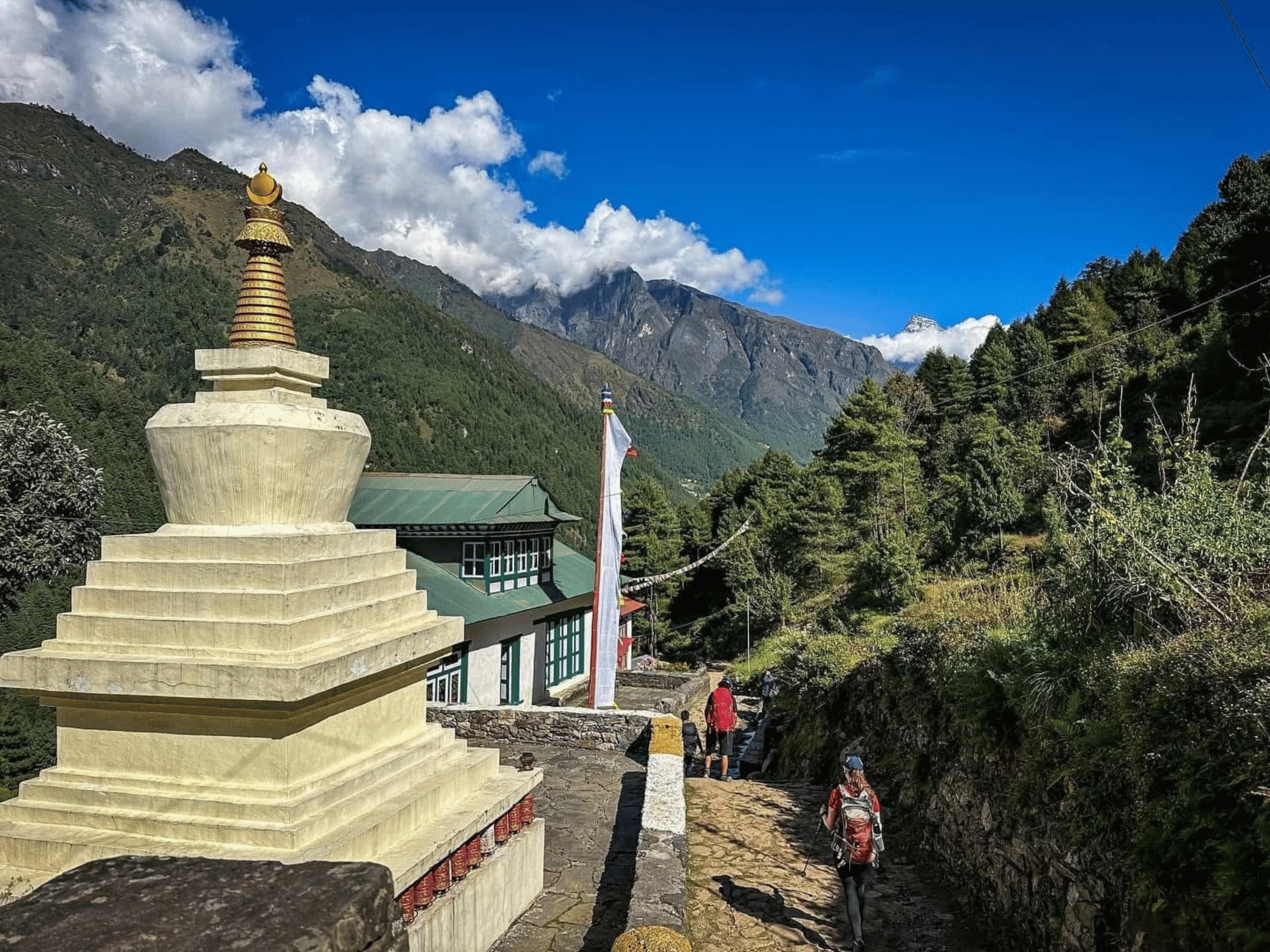
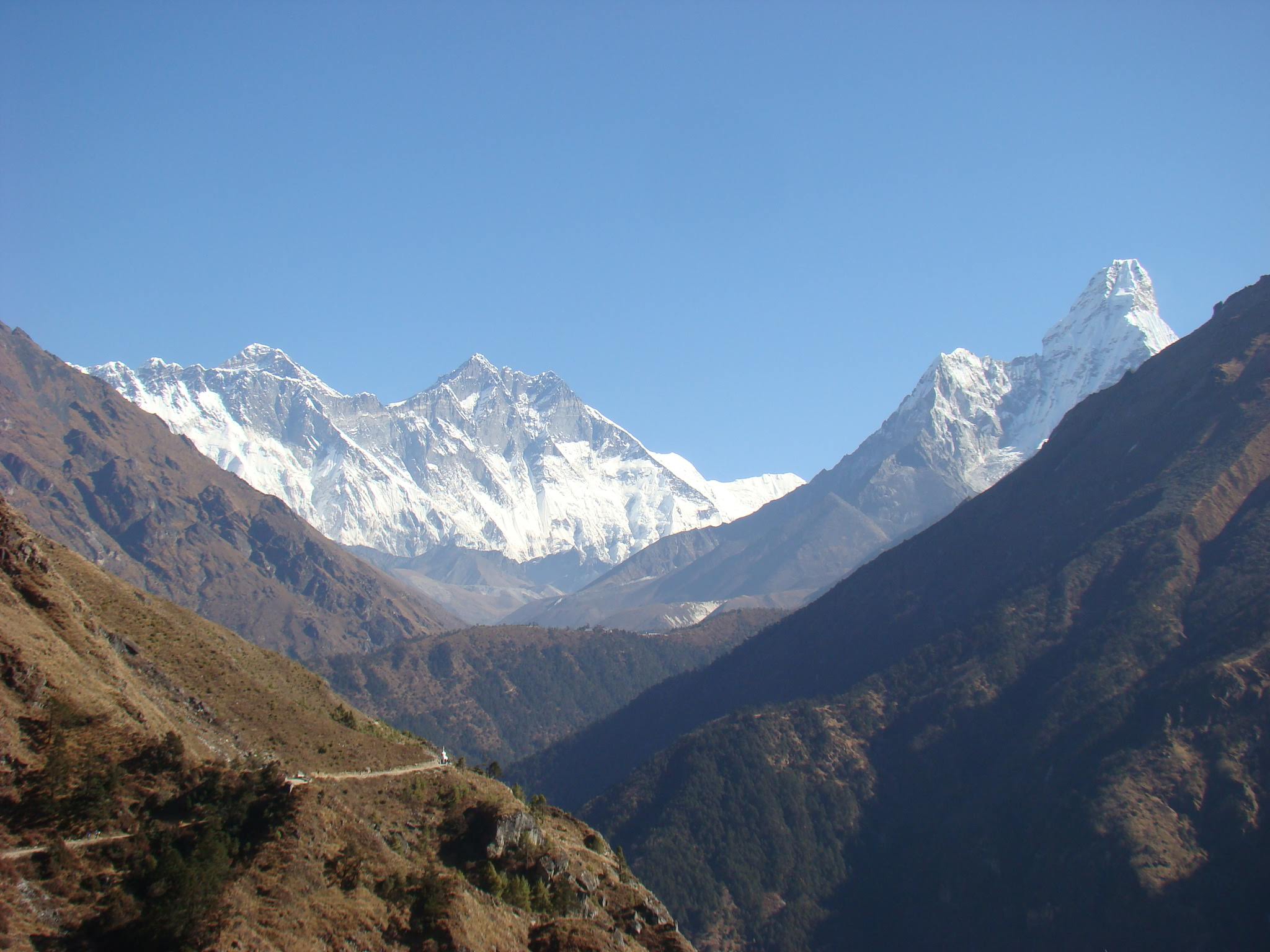
The Everest Base Camp Trek is a 15-day trekking journey through the legendary Khumbu Valley in Nepal. It takes you from Lukla Airport (2,860m) through Sherpa villages, rhododendron forests, and high alpine terrain to Everest Base Camp (5,357m) and the summit of Kala Patthar (5,545m) — the highest point on the trek with the most famous panoramic view of Mount Everest.
Key facts:
Duration: 15 days
Maximum altitude: 5,545m (Kala Patthar)
Difficulty: Moderate to Challenging
Technical skills required: Zero
Price: From $1,100 per person all-inclusive
Best time: October (autumn) or April (spring)
No ropes. No crampons. No ice axes. No technical climbing of any kind. The EBC Trek is a walking trek — challenging because of altitude, not because of technical difficulty.
The Honest Answer — Is EBC Trek Really Possible for Beginners?
EBC Trek is NOT a walk in the park. Anyone who tells you it is easy is misleading you.
But it is also NOT beyond the reach of fit, determined beginners.
Here is the honest reality:
The trail is well-marked throughout. Tea houses with food, accommodation, and basic medical support exist every 2–4 hours. Our licensed Sherpa guides monitor your health daily and adjust pace as needed. Thousands of first-time trekkers complete EBC every single year.
The challenge is not technical difficulty. The challenge is altitude.
At Kala Patthar (5,545m), the air contains only 47% of the oxygen available at sea level. Your body must acclimatize progressively. This is why our itinerary includes rest days at Namche Bazaar (3,440m) and Dingboche (4,410m). Follow the schedule, listen to your body, communicate honestly with your guide — your chances of reaching Base Camp are excellent.
What Makes EBC Trek Hard for Beginners
1. Altitude — the real challenge
Altitude sickness (AMS) can affect anyone regardless of fitness level. Professional athletes have turned back from EBC while unfit beginners have reached the summit in perfect health. Altitude response is largely genetic — you cannot know how your body responds until you are there.
Symptoms to watch for above 3,000m:
Persistent headache
Nausea or vomiting
Dizziness at rest
Loss of appetite
Difficulty sleeping
Shortness of breath at rest
The golden rule: Never ascend with active AMS symptoms. Tell your guide immediately. Rest 24 hours. If symptoms worsen — descend immediately.
2. Duration — 15 consecutive days
By Day 10, your body is tired. Cumulative fatigue is real and often underestimated by beginners. Good physical conditioning before departure is essential — not optional.
3. Cold nights at high altitude
At Gorak Shep (5,140m), October nights reach -15°C to -20°C. Tea house rooms are not heated. You sleep in your down jacket inside your sleeping bag. For trekkers from warm climates, this extreme cold is a genuine shock.
4. Mental challenge
Day 9 — the EBC approach day — is psychologically the hardest. You have been trekking 8 days. You are at 5,000m. You are tired. The trail seems endless.
This is where having an experienced Sherpa guide makes all the difference. Our guides have seen this moment thousands of times. They know exactly how to support trekkers through the hardest part.
What Makes EBC Trek Manageable for Beginners
1. The pace is very slow
EBC Trek average daily distance is 8–14 km at 2–3 km per hour — slower than a normal walking pace. The slow pace is essential for acclimatization and completely manageable for most people.
2. Built-in rest days
Two full acclimatization days are included — Namche Bazaar (Day 5) and Dingboche (Day 8). These rest days let your body adapt before going higher. They are non-negotiable for safety and success.
3. Licensed guide support every step
Your Global Nepal Treks Sherpa guide walks with you every single day. They carry a pulse oximeter and check your oxygen saturation every morning. They know the signs of altitude sickness before you feel them yourself.
4. Tea houses every 2–4 hours
You are never more than 2–4 hours from a tea house with food, shelter, and basic medical support. You can turn back safely at any point. Unlike mountaineering — this is a supported trek with infrastructure throughout.
5. Thousands of beginners succeed every year
Our 15-year track record confirms that properly prepared, motivated beginners succeed on the EBC Trek at a very high rate. The key word is prepared.
The 4-Month Beginner Training Plan
Start exactly 4 months before your departure date.
Month 1 — Build base fitness
Week 1–2:
Walk 30 minutes daily at brisk pace with 5 kg daypack
Squats — 3 sets of 20 daily
Lunges — 3 sets of 15 per leg daily
Swimming or cycling 2x per week
Week 3–4:
Walk 45–60 minutes daily — add hills wherever possible
Increase pack weight to 7 kg
Stair climbing 10 minutes daily
Month 2 — Build endurance
Week 5–6:
Walk 60–90 minutes daily with 8 kg pack
Weekend hike — 12–15 km with 10 kg pack
Stair climbing 20 minutes daily
Yoga or stretching 20 minutes daily
Week 7–8:
Walk 90 minutes daily with 10 kg pack
Weekend hike — 15–20 km with 10 kg pack including steep ascents
Back-to-back hiking days — Saturday AND Sunday every weekend
Month 3 — Build strength
Week 9–10:
Long hike — 20–25 km with 10 kg pack every weekend
Back-to-back hiking every weekend
Stair climbing 30 minutes daily with pack
Core exercises — plank 3 × 60 seconds daily
Week 11–12:
Long hike — 25–30 km with 12 kg pack
3 consecutive hiking days to simulate trek fatigue
Reduce alcohol to zero
Sleep 8 hours every night without exception
Month 4 — Peak and taper
Week 13–14:
Longest hike — 30 km with 12 kg pack
Continue daily walks with pack
Break in your trekking boots — minimum 50 km hiking in them
Week 15–16 — final 2 weeks before departure:
Reduce to easy daily walks — let your body recover
Take Diamox trial dose — confirm with your doctor first
Final gear check — everything packed and ready
Focus on sleep and good nutrition
Medical Preparation — What Beginners Must Do
Before leaving home
Visit your doctor — general fitness check, altitude sickness discussion, blood pressure check
Diamox prescription — altitude sickness prevention medication. Consult your doctor. Recommended dosage: 125–250mg twice daily starting 24 hours before ascending above 3,000m
Dental check — tooth problems at 5,000m are extremely difficult to manage
Eye check — vision can be affected at extreme altitude
Vaccinations — Hepatitis A, Typhoid, Tetanus recommended for Nepal
Travel insurance — mandatory for EBC Trek
Your insurance must cover:
Helicopter evacuation to at least 6,000m altitude
Medical costs in Nepal
Trip cancellation and delay
Standard travel insurance does NOT cover high-altitude trekking. You need a specialist policy. Without it, a helicopter rescue from EBC altitude costs $3,000–$6,000.
5 Most Common Beginner Mistakes on EBC Trek
Mistake 1 — Going too fast on Day 1
Day 1 enthusiasm leads to exhaustion by Day 7. Our guides control the pace — trust them when they tell you to slow down. The slower you go, the better your acclimatization.
Mistake 2 — Not drinking enough water
Dehydration is the primary cause of AMS at altitude. Drink 3–4 litres per day on the trail. Your urine should always be pale yellow or clear. Dark yellow urine means you are dangerously dehydrated.
Mistake 3 — Hiding symptoms from your guide
Many beginners hide altitude sickness symptoms fearing they will be sent back. This is dangerous and can be fatal. Tell your guide everything — they are trained to manage symptoms, and their goal is to get you to Base Camp safely.
Mistake 4 — Not breaking in boots before departure
New trekking boots on the EBC Trail guarantee painful blisters that can end your trek. Break in your boots with a minimum of 50 km of hiking before departure. This is non-negotiable.
Mistake 5 — Packing too much or too little
Your porter carries your main bag (maximum 15 kg). You carry your daypack (7–8 kg). Pack warm enough for -20°C nights but not so much that you cannot carry your daypack comfortably all day. See our complete EBC Trek Packing List 2026 for the exact gear list.
EBC Trek Beginner Packing Essentials
The 10 most important items for beginner EBC trekkers:
Down jacket — -20°C rated — the single most important item. Non-negotiable.
Waterproof trekking boots — broken in — ankle support, Gore-Tex lining, Vibram sole
30–40L daypack with rain cover — you carry this every day
SteriPen or water purification tablets — never buy plastic bottles on trail
Headlamp with spare lithium batteries — used every single morning
Sunscreen SPF 50+ — UV radiation increases 10% per 1,000m of altitude
UV400 sunglasses — snow blindness is a real risk above 5,000m
Sleeping bag liner — adds warmth, keeps sleeping bag clean
Trekking poles — reduce knee stress 25% on descents
Travel insurance documents — printed copy showing helicopter coverage
Full packing list: globalnepaltreks.com/blogs/everest-base-camp-trek-packing-list-2026
What the Trail Actually Looks Like — Day by Day for Beginners
Days 1–3: Lukla to Namche — Getting started
The first 2 days from Lukla to Namche Bazaar are relatively easy at lower altitude (2,610m–3,440m). The trail is busy and well-marked. Tea houses are comfortable. Your body starts adjusting to altitude. The biggest challenge is the steep final climb to Namche — 600m vertical gain in 2 hours. Take it slowly.
Beginner difficulty: Easy to Moderate
Days 4–5: Namche acclimatization
Your first rest day at Namche (3,440m). Your body works hard to adjust even while you rest. You may feel a slight headache or fatigue — this is normal. The morning hike to Everest View Hotel (3,880m) is optional but strongly recommended — your first clear Everest view.
Beginner tip: Drink 4 litres of water today even though you are not trekking.
Days 6–8: Namche to Dingboche — Getting higher
The trail from Namche to Dingboche takes you past Tengboche Monastery (3,867m) — one of the most beautiful locations in the Himalayas. Pangboche and Dingboche follow. The landscape becomes increasingly dramatic. Altitude effects become noticeable above 4,000m — pace slows, breathing becomes more conscious.
Beginner difficulty: Moderate
Days 9–10: EBC approach and Kala Patthar — The hardest days
Day 9 is the hardest physical day. You trek 8–10 hours from Lobuche to Everest Base Camp (5,357m) and back to Gorak Shep. Your body is at its limit. Everything is harder. Each step is slower.
Day 10 — the pre-dawn Kala Patthar summit (5,545m) — is the hardest mental challenge. Starting at 4:30 AM in the dark and cold, climbing steadily to the sunrise viewpoint. When you reach the top and see Everest lit up in golden morning light — every difficult step is forgotten.
Beginner tip: Do not set your summit expectations too high. Some days are brutal. Focus on one step at a time.
Days 11–15: The descent
Descent days are physically easier on your lungs but harder on your knees. Trekking poles are essential. Your body recovers rapidly as you descend. By Namche, most trekkers feel dramatically better. The final flight from Lukla back to Kathmandu is genuinely emotional for most first-time trekkers.
Beginner Success Stories from Global Nepal Treks
Over 15 years and 1,000+ EBC treks, we have guided many first-time trekkers to Base Camp:
Erika from Australia — first ever trek in her life. Completed EBC at age 52. Said it was the greatest experience of her life.
Ben from the UK — no previous hiking experience. Reached Kala Patthar (5,545m). Came back the following year for Annapurna Circuit.
Emily from USA — was told by her doctor she might struggle above Namche. Reached Everest Base Camp and Kala Patthar on her first Nepal trek.
Anna from the Netherlands — trekked with her family including teenage children. All completed the full 15-day itinerary successfully.
What did they all have in common? They followed the training plan. They followed the acclimatization schedule. They communicated honestly with their guide. They kept going one step at a time.
Frequently Asked Questions — EBC Trek for Beginners 2026
Q: What is the minimum fitness level required for EBC Trek?
You should be able to walk 15–20 km in a single day carrying a 7–8 kg daypack before your trek. If you can do this comfortably, you have the base fitness needed — with proper 4-month preparation.
Q: What age can beginners do EBC Trek?
EBC has been completed by trekkers aged 10 to 70+. Age is less important than fitness and health. Above age 60, a thorough medical check with your doctor is strongly recommended.
Q: What if I have to turn back before reaching Base Camp?
Turning back is not failure — it is the correct decision when your health requires it. Our guides have the experience to know when descent is necessary. Your safety is always the absolute priority. Many trekkers who turn back at Dingboche or Lobuche come back the following year and summit successfully.
Q: Do I need previous trekking experience before EBC?
No technical experience is required. But if you have never trekked before — the 4-month training plan is essential. Do not attempt EBC with zero physical preparation. Your experience and safety depend on arriving fit.
Q: How much does EBC Trek cost for a beginner?
Global Nepal Treks EBC Trek starts from $1,400 per person all-inclusive — licensed guide, porter, all meals, all accommodation, Lukla flights, all permits, airport transfers. Total trip budget including visa, insurance, and tips is approximately $1,700.
Q: Is EBC Trek safe for solo beginners?
Yes — with a licensed guide, it is safe for solo beginners. Since April 2023, Nepal requires a licensed guide for all trekkers on major routes. This actually makes EBC safer for solo beginners than ever before. We match solo travellers with small groups when preferred.
Q: What is the biggest mistake beginners make on EBC Trek?
Not drinking enough water. Dehydration at altitude is the primary cause of altitude sickness and the main reason beginners struggle or fail to complete the trek. Drink 3–4 litres every single day from Day 1.
Q: How do I know if I am fit enough right now?
Try this test today: Walk 15 km with a 7 kg daypack. How do you feel at the end? If you are exhausted — start the 4-month training plan immediately. If you feel fine — you have good base fitness. Add hills and increase distance progressively.
Q: Can I do EBC Trek without taking Diamox?
Many trekkers complete EBC without Diamox. But for beginners who have never been at altitude before, we strongly recommend consulting your doctor about Diamox as a precaution. It significantly reduces the risk of altitude sickness if you are prone to it.
Q: What is the summit success rate for beginner trekkers with Global Nepal Treks?
Our completion rate is above 85% overall and even higher for beginners who follow our preparation guidance. The most important factors: proper physical preparation, following the acclimatization schedule, honest communication with your guide, and adequate hydration.
Ready to Book Your First EBC Trek?
Global Nepal Treks — Nepal's most trusted licensed agency for first-time trekkers
15 days · From $1,400 per person · All-inclusive · Government licensed No. 3058
What makes us the right choice for beginner trekkers:
✅ Licensed Sherpa guides trained in first aid and altitude medicine
✅ Daily pulse oximeter checks — we monitor your health every morning
✅ Conservative acclimatization schedule — never rushed
✅ 24/7 emergency support from Kathmandu office
✅ 15+ years and 1,000+ successful EBC Treks
✅ Real verified reviews from real trekkers — TripAdvisor, Trustpilot, Google
Saroj Ghimire is the Director of Global Nepal Treks (Government Licence No. 3058, Kathmandu). He has guided over 1,000 trekkers to Everest Base Camp, Annapurna, Upper Mustang, and Island Peak since 2008. Contact: info@globalnepaltreks.com
Also see: EBC Trek Packing List 2026 · Nepal Trekking Cost 2026 · Nepal Trekking Without a Guide 2026