Nepal is one of the few places on earth where a single trip can genuinely rewrite the way you see the world. Eight of the planet's ten tallest mountains. Centuries-old monasteries draped in prayer flags. Trails alive with Sherpa culture, rhododendron forests, and a hospitality so warm it's almost disorienting.
But planning a trek in Nepal as an international visitor involves more moving parts than most people expect. Permits, altitude, guide choices, fitness preparation, cultural etiquette — get these right and you'll have the adventure of your lifetime. Get them wrong and you'll spend a week in Kathmandu sorting out paperwork you didn't know you needed.
This guide brings together the ten most important topics every international trekker must understand before arriving in Nepal — including a special section on trekking during Nepali New Year, one of the most magical times to be on the trail.
1. How to Plan a Nepal Trek From Scratch
The single most common mistake first-time Nepal trekkers make is underestimating how much planning is involved. Nepal rewards preparation. The trekkers who arrive knowing their route, their permits, their agency, and their fitness baseline consistently have the richest experiences. Those who wing it often spend their first days in Kathmandu scrambling.
Start by answering three core questions: How much time do you have? What is your current fitness level? And what kind of experience are you after — iconic and well-serviced, or remote and raw?
Your answers will point you toward the right region. Two weeks is enough for Everest Base Camp or the Annapurna Circuit. Ten days or fewer opens up exceptional shorter options like Ghorepani Poon Hill, the Langtang Valley, or the Annapurna Base Camp approach. First-time trekkers in reasonable fitness can manage most classic routes with the right preparation and a good guide.
Once you've chosen a region, build your itinerary with acclimatization built in — this is non-negotiable above 3,500 metres. Book domestic flights to trailhead towns like Lukla (for Everest) early, as these are in high demand during peak season. And secure your trekking agency or guide before you land; the best operators fill up months ahead.
Everest Base Camp, Annapurna Circuit, Manaslu Circuit
Poon Hill, Annapurna Base Camp, Langtang Valley
Lukla and Pokhara routes fill months ahead in peak season
Check licensing, guide qualifications, and real client reviews
2. Trekking During Nepali New Year: A Once-in-a-Lifetime Timing
Nepal follows the Bikram Sambat calendar — and Baisakh 1, the Nepali New Year, falls in mid-April each year. In 2026, Nepal enters the year 2083 on April 14, making it one of the most vibrant times on the Himalayan calendar.
नयाँ वर्षको शुभकामना — Happy New Year 2083
Nepali New Year, known as Nava Varsha, marks the beginning of spring and the agricultural season. Streets in Kathmandu and Pokhara burst into colour. Temples overflow with devotees. Music, dance, and the scent of marigold garlands fill the air.
For international trekkers, arriving in Nepal during New Year week means experiencing a culture fully alive. You may pass through villages decorated with red-and-yellow flowers, witness local families celebrating at mountain shrines, and share teahouse meals that include special seasonal dishes prepared for the new year.
From a trekking perspective, mid-April is the heart of spring season — rhododendrons in full bloom, clear skies building after winter, and trails at their most lush and colourful. The combination of spring conditions and cultural celebration makes this timing arguably the most rewarding of the entire year.
What to expect on the trail during New Year
If your trek passes through Sherpa or Tamang villages around Baisakh 1, expect warm invitations to share local chang (millet beer) or sel roti (sweet rice doughnuts). Many teahouses decorate their dining rooms and may host small celebrations in the evening. Cultural sensitivity here means accepting hospitality graciously, learning even a few words of Nepali (a simple "Naya Barsha ko Shubhakamana" — Happy New Year — will earn you enormous warmth), and understanding that some local staff may want a day off for family celebrations.
The trade-off: Kathmandu and Pokhara are busy during New Year week. If your trekking plan includes days of city exploration before the trail, build in extra buffer time for traffic and temple queues. Book accommodation in advance. The chaos is joyful, but it's real.
"Arriving in Nepal at New Year is like being handed the country at its most generous. The mountains, the culture, the colour — everything is turned up."
3. Nepal Trekking Permits: What You Need and How to Get Them
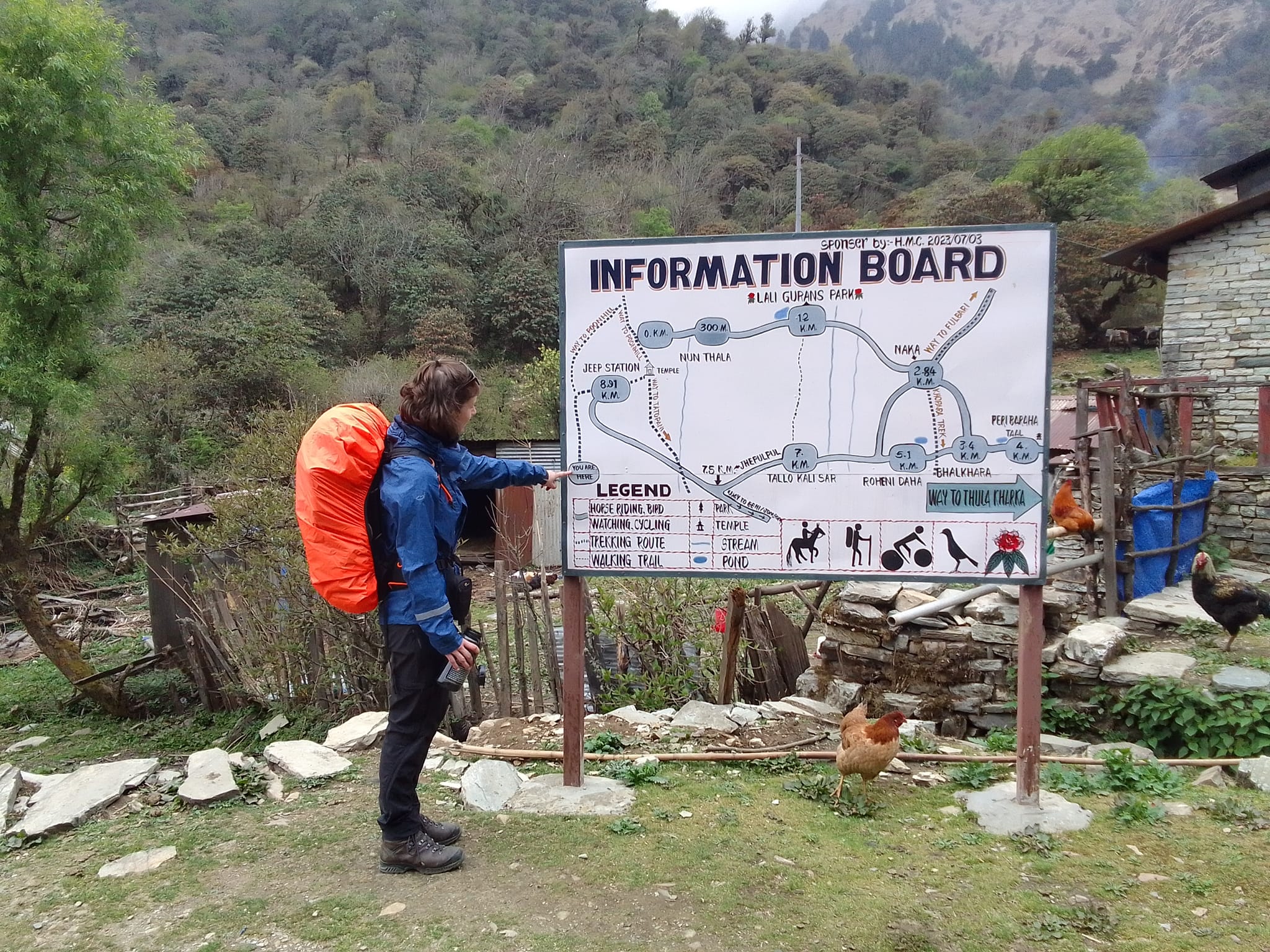
Nepal requires permits before you can legally trek in its national parks and conservation areas. This is one of the most commonly misunderstood parts of trip planning — and getting it wrong can derail your adventure before it begins. The specific permits you need depend entirely on your chosen route.
Core permits most international trekkers need
| Permit | Required for | Where to obtain | Approx. cost |
|---|---|---|---|
| TIMS Card | Most trekking regions | TAAN / NTB office, Kathmandu | USD 10–20 |
| ACAP Permit | Annapurna region | NTB office, Kathmandu or Pokhara | NPR 3,000 |
| Sagarmatha NP Entry | Everest Base Camp | NTB office or at entry checkpoint | NPR 3,000 |
| Langtang NP Entry | Langtang Valley | NTB office, Kathmandu | NPR 3,000 |
| Restricted Area Permit | Mustang, Dolpo, Humla | Dept. of Immigration, Kathmandu | USD 50–500+ |
Allow one to two days in Kathmandu to collect all permits. Independent trekkers should note that processing times are slightly longer than for agency-assisted applicants. Bring passport photos (at least six), your original passport, and cash in Nepali rupees. Most permit offices do not accept credit cards.
For restricted area permits, a licensed trekking agency and guide are legally required — you cannot obtain these independently. This is one strong reason why agency-supported trekking makes sense beyond the standard routes.
Nepal visa on arrival
Most international visitors can obtain a visa on arrival at Tribhuvan International Airport in Kathmandu. Fees range from USD 30 for 15 days to USD 100 for 90 days. Pre-register online at the Nepal Department of Immigration website before travel to speed up the airport process considerably.
4. Best Time to Trek in Nepal
Nepal has four distinct trekking seasons and each offers a completely different experience. Choosing the wrong one for your priorities — whether that's clear mountain views, solitude, budget, or floral landscapes — is one of the most common planning errors international visitors make.
Spring (March–May) is the most popular season for many international visitors, and for good reason. Rhododendron forests explode into red and pink bloom, temperatures are agreeable at lower altitudes, and Nepali New Year in mid-April adds a cultural dimension no other season offers. The trade-off is that popular trails — particularly the Everest corridor — can feel crowded at teahouses.
Autumn (September–November) delivers Nepal's most reliably clear skies and the sharpest mountain panoramas. After monsoon washes the haze away, visibility can stretch for hundreds of kilometres on clear days. Many experienced trekkers consider October the single best month of the entire year.
Monsoon trekking deserves more credit than it receives. Rain-shadow regions like Upper Mustang and Dolpo remain largely dry between June and August, and the quieter trails and lower prices make a compelling case for the right kind of adventurer.
5. What to Pack for a Nepal Trek
Packing for a Himalayan trek is fundamentally different from any other travel you've done. The range of conditions you'll face — from subtropical forest floors to high-altitude passes where temperatures drop below freezing overnight — demands a layered, considered approach.
The non-negotiable packing list
- Waterproof trekking boots (broken in before travel)
- Base layer: moisture-wicking thermal tops and bottoms
- Mid-layer: fleece or down insulating jacket
- Outer shell: waterproof, breathable rain jacket
- Trekking poles (buy or rent in Kathmandu)
- UV-blocking sunglasses (mandatory above 4,000m)
- Sun hat and warm wool or fleece hat
- Lightweight gloves and liner gloves
- Headlamp with spare batteries
- Water purification tablets or UV pen
- Basic first aid kit with altitude medication
- High SPF sunscreen and lip balm
- Quick-dry trekking trousers and shorts
- Sleeping bag liner (teahouse blankets vary)
- Gaiters (for snow routes and wet trails)
- Dry bags and zip-lock bags for electronics
The golden rule: every gram adds up on long ascents. Most trekking gear can be rented cheaply in Kathmandu's Thamel district. If you're unsure whether to bring something, consider whether you can rent or buy it in Nepal rather than carrying it from home.
6. Physical Fitness and Pre-Trek Training
One of the most honest things any trekking guide can tell international visitors is this: the Himalayas are not technically difficult, but they are relentlessly physical. Long consecutive days of uphill walking at altitude will test any body that hasn't been prepared.
For Everest Base Camp, a 12-week training programme combining cardiovascular base-building, stair climbing with a loaded pack, and leg strength work is the standard recommendation. The Annapurna Circuit — which crosses the Thorong La Pass at 5,416 metres — demands similar or greater preparation given its sustained high altitude.
Shorter routes like Poon Hill or Langtang are genuinely achievable for people with moderate baseline fitness who walk regularly and can comfortably manage consecutive three to five hour walks on uneven terrain. Honesty with yourself during the planning phase prevents miserable experiences on the trail.
Altitude sickness: the most important thing to understand
Altitude sickness does not discriminate by fitness level. Young, fit people get it. Experienced mountaineers get it. The only reliable strategy is proper acclimatization — ascending slowly, building in rest days, and following the golden rule: if symptoms appear, do not ascend further until they resolve. Most cases of serious altitude illness result from ignoring early warning signs.
7. How Much Does a Nepal Trek Actually Cost?
Nepal is dramatically more affordable than comparable mountain adventure destinations in Europe or North America — but the total cost adds up when you factor in everything. International visitors who budget only for the trek itself are consistently surprised by the ancillary costs.
USD 1,200–1,800 total, excluding international flights
USD 2,500–3,500 total, with licensed agency
USD 5,000+ with luxury lodges, private guide
Permits, agency fee, guide & porter, teahouses, food, insurance
Teahouse accommodation pricing increases significantly with altitude. Expect to pay double at 5,000 metres compared to base. Food at high altitude is similarly premium — a bowl of dal bhat that costs NPR 350 in Lukla might cost NPR 800 near Base Camp. Budget accordingly.
Travel insurance is a non-negotiable expense that some trekkers try to skip. Don't. Helicopter evacuation from high altitude can cost USD 4,000–8,000 or more. Your standard travel policy almost certainly excludes high-altitude rescue. Specialist adventure policies from providers like World Nomads or True Traveller cover this — check the altitude ceiling before purchasing.
8. Guided vs. Solo Trekking in Nepal
The decision to trek with a guide or independently is one of the most consequential choices you'll make as an international visitor to Nepal. Both approaches have merit — but the argument for hiring a licensed local guide is considerably stronger than most independent-minded travellers initially want to hear.
A great Nepali guide is not simply a person who knows where the trail goes. They carry years of mountain emergency experience. They speak the language with teahouse owners and can negotiate on your behalf. They read altitude symptoms before you notice them yourself. They understand the cultural context of every shrine, gompa, and village you pass through.
From a regulatory standpoint, certain restricted areas — including Upper Mustang, Dolpo, Kanchenjunga, and several other remote regions — legally require both a licensed guide and an agency permit. Attempting to trek these areas independently is not only illegal; it's also genuinely risky.
Porter vs. guide: understand the difference before you hire
A trekking porter carries your pack — typically up to 25 kg. A trekking guide leads, navigates, translates, and manages your itinerary. The two roles are distinct. Many international visitors benefit from both: a guide to manage the logistics and culture, and a porter to free them from heavy loads and allow a more comfortable, focused trekking experience. Hiring local staff directly supports Nepal's mountain communities — the single most meaningful way to give back through tourism.
9. Nepal's Top Trekking Routes: Finding the Right Fit
Nepal offers over 40 established trekking routes ranging from comfortable week-long valley walks to month-long high-altitude expeditions. Choosing correctly for your timeline, fitness, and experience level is more important than the name recognition of the route.
Everest Base Camp vs Annapurna Base Camp
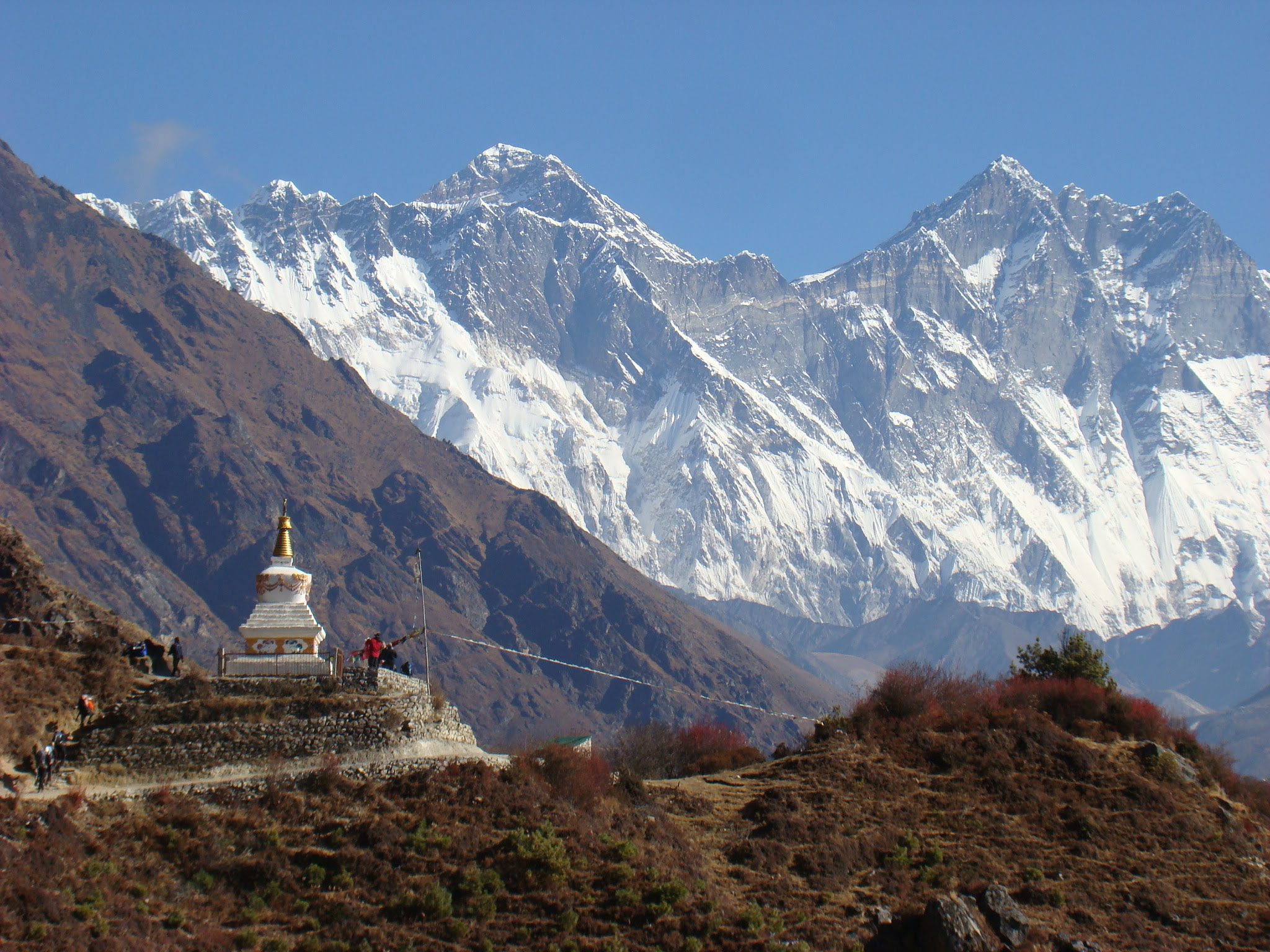
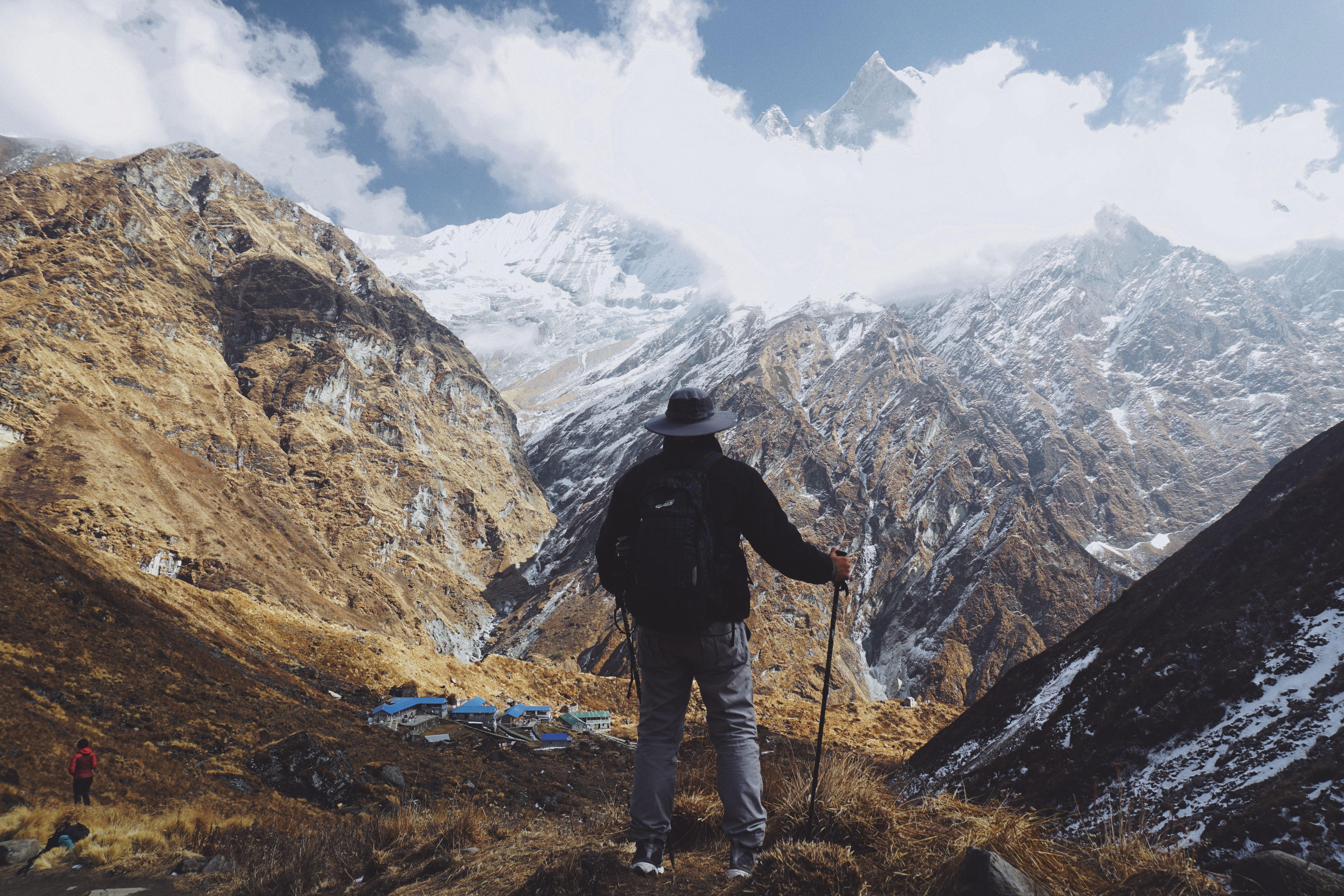
These are the two most famous treks in Nepal — and they're genuinely different experiences. Everest Base Camp (14 days from Lukla) takes you through Sherpa villages, past the world's most famous mountaineering monastery at Tengboche, and to the base of the highest mountain on earth. It's high, remote, and demands real commitment. Annapurna Base Camp (7–10 days from Pokhara) is lower, more accessible, and offers a stunning 360-degree panorama of the Annapurna massif from its amphitheatre. First-time international trekkers often find ABC a more manageable introduction to Himalayan trekking.
The Langtang Valley: Nepal's most underrated classic
Just a few hours from Kathmandu, the Langtang Valley Trek offers genuine Himalayan scenery, rich Tamang cultural heritage, and a surprisingly crowd-free experience compared to the Everest and Annapurna corridors. It's an outstanding choice for international visitors with limited time or those who want to experience a more intimate, less commercialised version of Nepal's mountains.
10. Health, Safety, and Travel Insurance
Preparing your body and protecting yourself medically are the two most overlooked parts of Nepal trek planning for international visitors. Packing is visible; health preparation is invisible — but its absence will make itself very apparent on a high-altitude trail.
Standard vaccinations to consider before travel include hepatitis A and B, typhoid, tetanus, and — if venturing into lower forested regions — Japanese encephalitis. Antimalarial medication may be relevant for certain Terai-adjacent routes. A pre-trek dental check-up is not glamorous advice, but a dental emergency at 4,500 metres is an extraordinarily unpleasant experience.
Drinking water on the trail
Never drink untreated water on Nepal's trekking trails. Giardia and other waterborne pathogens can end your trek in days. The most effective and environmentally responsible approach is a UV pen steriliser or a filter bottle — both treat water instantly and eliminate the plastic bottle waste that has become a serious problem on Nepal's popular routes.
Emergency evacuation
Know your evacuation options before you need them. On the Everest and Annapurna routes, helicopter rescue services operate regularly and can reach most locations within hours when weather permits. Your guide or agency coordinates with rescue services — another strong reason to have professional support on the mountain. A personal locator beacon (PLB) or satellite communicator like a Garmin inReach is strongly recommended for anyone trekking in remote regions or off the main corridors.
Plan a Custom Trip →
Global Nepal Treks provides licensed guides, complete permit support, and personalised itineraries for international visitors.