Everest Basecamp Trek 2026: Your Complete Guide to the World's Most Iconic Trek
Introduction
Standing at the foot of Mount Everest, breathing thin air at 5,364 meters, you'll understand why the Everest Basecamp Trek changes lives forever. This isn't just trekking in Nepal—this is a spiritual journey that touches your soul, challenges your limits, and creates memories that stay with you for a lifetime.
Whether you're a gap year student from Europe, a professional seeking adventure from the USA, or a trekking enthusiast from Singapore or Japan, the Everest Basecamp Trek offers something deeply magical for every traveler. In this complete guide, you'll discover everything about Everest trekking, including the traditional 14-day route, the Everest Short Trek option for time-conscious adventurers, costs, permits, and why Global Nepal Treks is your trusted partner for Travel Nepal adventures.
Why the Everest Basecamp Trek Touches Your Soul
The Emotional Journey to the Roof of the World
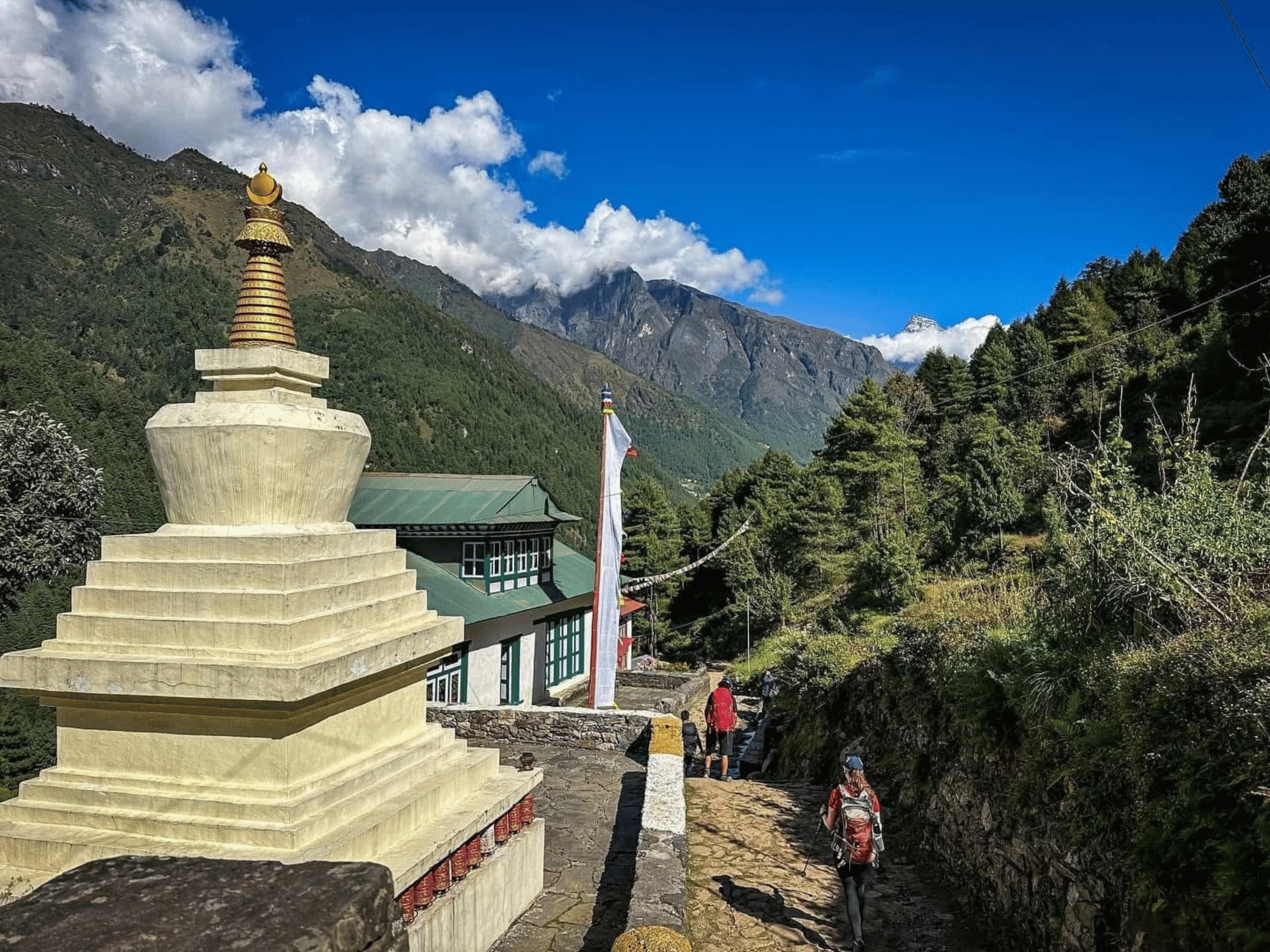
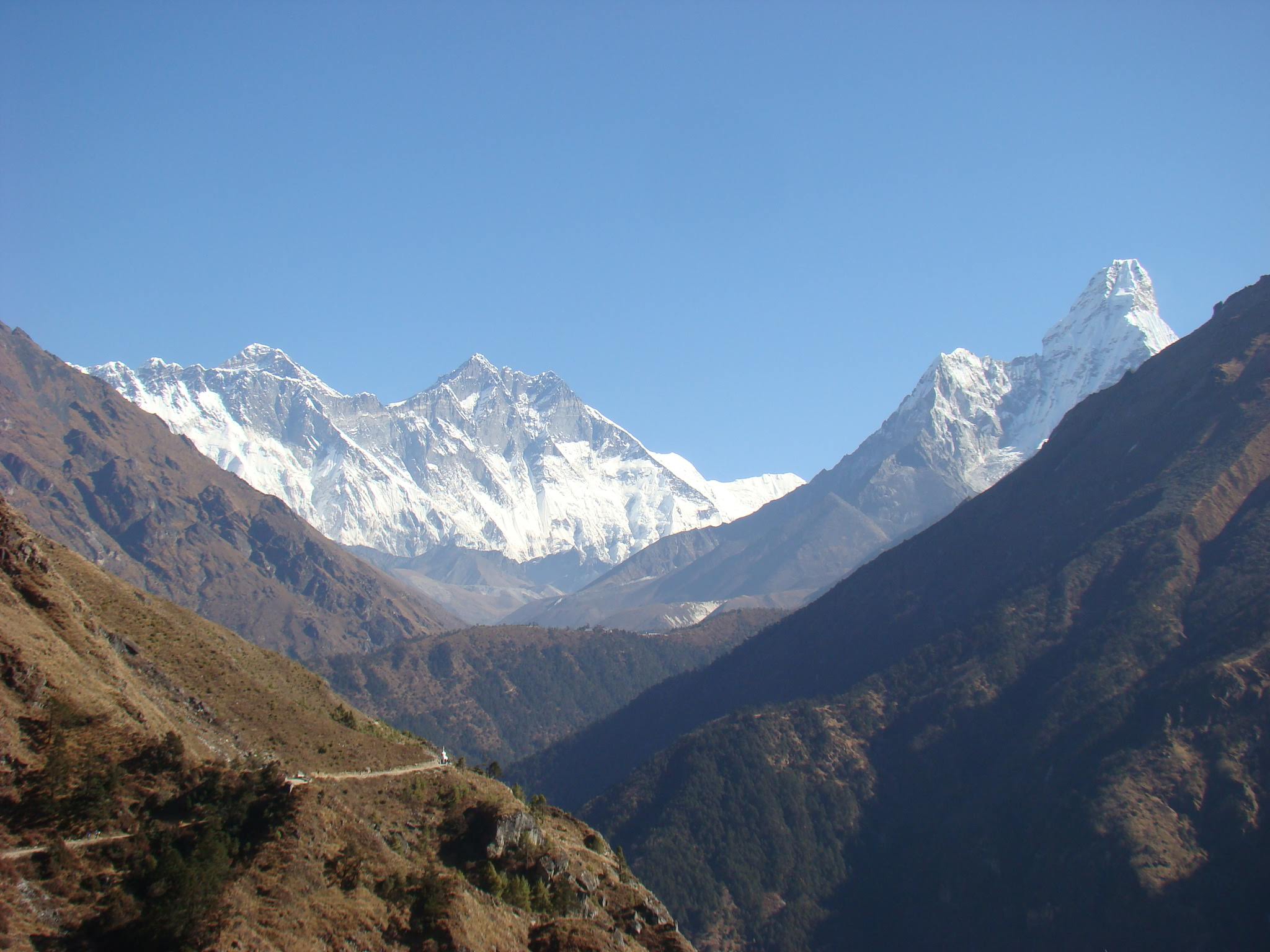
The Everest Basecamp Trek is more than walking through mountains—it's an emotional pilgrimage. As you traverse ancient trails through Sagarmatha National Park, you'll pass through Sherpa villages where time seems to stand still. The sight of prayer flags fluttering in the wind, the sound of bells from Tengboche Monastery, and the overwhelming presence of peaks like Everest, Lhotse, and Ama Dablam will move you deeply.
Many trekkers describe reaching Everest Base Camp as the most humbling experience of their lives. You'll stand where Himalayan giants prepare for their climbs, surrounded by glaciers and mountains that pierce the sky. It's a moment of pure awe that makes all the challenging days worth it.
What Makes Everest Trekking Unforgettable
Everest trekking offers unique experiences you won't find anywhere else:
Breathtaking mountain views: See more than 5 peaks above 7,000 meters in close-up
Rich Sherpa culture: Immersion in centuries-old traditions and Buddhist spirituality
Tea house hospitality: Warm lodges with local and continental food after long hiking days
Suspension bridges: Cross dramatic bridges over the Dudh Koshi River through compact forests
Kala Patthar summit: The real Everest viewpoint at 5,545 meters where photos become legendary
"Few experiences are as humbling as standing at the foot of the world's tallest mountain."
Everest Basecamp Trek vs. Everest Short Trek: Which Is Right for You?
Traditional EBC Trek (12-14 Days)
The classic Everest Basecamp Trek is the most popular option, taking 12-14 days depending on acclimatization needs. This itinerary allows proper altitude acclimatization and deeper cultural immersion.
Key features:
Round-trip distance: 130-132 km
Daily walking: 5-8 hours covering ~15 km
Maximum altitude: 5,364m at Base Camp + 5,545m at Kala Patthar
Best for: First-time trekkers, those wanting full experience, travelers with 2+ weeks
Everest Short Trek (8-10 Days)
The Everest Short Trek is perfect for experienced trekkers or time-conscious adventurers who still want to experience the glory of the Himalayas.
Key features:
Duration: 8-10 days depending on pace
Covers similar ground in compressed timeframe
Best for: Experienced trekkers, professionals with limited vacation time, gap year students
Requires: Good fitness level and some prior high-altitude experience
Key Differences at a Glance
Factor | Traditional EBC Trek | Everest Short Trek |
|---|---|---|
Duration | 12-14 days | 8-10 days |
Pace | Relaxed with acclimatization | Fast-paced |
Fitness Required | Moderate | High |
Experience Level | Beginners welcome | Experienced trekkers |
Cultural Immersion | Deep | Moderate |
Altitude Risk | Lower (better acclimatization) | Higher (less time to adapt) |
Complete Everest Basecamp Trek Itinerary
Day-by-Day Breakdown
Here's the most popular Everest Basecamp Trek itinerary from Lonely Planet:
Day | Route | Altitude | Walking Time |
|---|---|---|---|
1 | Fly Kathmandu → Lukla, hike to Phakding | 1,400m → 2,610m | 3-4 hours |
2 | Hike to Namche Bazaar | 3,440m | 5-6 hours |
3 | Acclimatization day in Namche | 3,440m | Explore nearby |
4 | Hike to Tengboche | 3,867m | 5-6 hours |
5 | Hike to Dingboche | 4,410m | 5-6 hours |
6 | Acclimatization day in Dingboche | 4,410m | Climb viewpoint |
7 | Hike to Lobuche | 4,940m | 6-7 hours |
8 | Hike to Everest Base Camp, sleep at Gorak Shep | 5,364m → 5,164m | 7-8 hours |
9 | Hike to Kala Patthar, descend to Pheriche | 5,545m → 4,240m | 6-7 hours |
10 | Hike to Namche Bazaar | 3,440m | 6-7 hours |
11 | Hike to Lukla | 2,860m | 5-6 hours |
12 | Fly Lukla → Kathmandu | 1,400m | Flight 35 min |
Acclimatization Days That Save Lives
Acclimatization is critical for safe Everest trekking. The two acclimatization days in Namche and Dingboche allow your body to adapt to thin air, drastically reducing altitude sickness risk. Never skip these days—they could save your life.
What to Expect Each Day
Morning: Early breakfast, start hiking by 7 AM
Afternoon: Stop at tea houses for lunch, continue walking
Evening: Reach lodge by 4-5 PM, rest, dal bhat dinner, warm shower (extra charge)
Daily routine: Walk 5-8 hours on well-maintained trails
Best Time for Trekking in Nepal: When to Visit Everest
Spring Season (March-May)
Best time for the trek: Early March to May offers stable weather, clear skies, and blooming rhododendrons. Temperatures are moderate, and mountain visibility is excellent.
Pros:
Clear mountain views
Warm temperatures
Beautiful flowers in bloom
Busy season with lively tea houses
Autumn Season (September-November)
September to October is also favorable for trekking in Nepal. Post-monsoon skies are crystal clear, making this the second-best season.
Pros:
Excellent visibility
Stable weather
Less crowded than spring
Festive cultural experiences
Seasons to Avoid
Winter (December-February): Extremely cold, especially above 4,000m
Monsoon (June-August): Rain, leeches, poor visibility, flight cancellations to Lukla
Book your Everest Basecamp Trek for March-May or September-October for the best experience.
Everest Basecamp Trek Cost: What You'll Pay in 2026
Budget Breakdown
While exact costs vary by operator, here's what to expect for Everest trekking in 2026:
Expense Category | Budget Range (USD) |
|---|---|
Guided trek package | $1,200-$2,500 |
Permits | $50-$100 total |
Flights (Kathmandu-Lukla) | $350-$400 round-trip |
Gear rental | $100-$300 (if needed) |
Travel insurance | $100-$200 |
Food & drinks on trail | Included in package |
Tips & extras | $100-$200 |
Total estimated cost: $1,800-$3,500 depending on package quality
What's Included vs. Extra Costs
Typically included in guided packages:
Permits (Sagarmatha National Park, TIMS card)
Flights Kathmandu-Lukla-Kathmandu
Teahouse accommodation
All meals (dal bhat, continental food)
Experienced guide and porters
First aid kit and emergency equipment
Extra costs to budget for:
Hot shower (extra charge at some lodges)
Wi-Fi cards (tea houses charge for internet)
Bottled water (buy reusable bottle + purification)
Battery charging (solar/electric fees)
Personal gear purchases
Travel insurance (must include helicopter evacuation)
Tips for guides/porters (expected)
Why Quality Matters More Than Price
When choosing Travel Nepal operators for Everest Basecamp Trek, prioritize:
Safety record and emergency protocols
Experienced guides with altitude medicine training
Fair porter treatment (ethical trekking)
24/7 support in Kathmandu and on the trail
Positive reviews from trekkers in Europe, USA, Singapore, Japan
Global Nepal Treks specializes in ethical, high-quality Everest region trek programs that prioritize your safety and experience over cutting corners.
Essential Preparation for Travel Nepal & Everest Trekking
Physical Fitness Requirements
Contrary to popular belief, Everest Basecamp Trek is not very difficult and requires no prior mountaineering skills. However, you need:
Cardio fitness: Ability to walk 5-6 hours daily for 12+ days
Leg strength: Strong quadriceps, calves, and glutes
Endurance: 3-4 months of preparation training recommended
Prior hiking: Day hiking experience helpful but not mandatory
Training plan (3-4 months before):
Cardio: Running, cycling, swimming 3-4x/week (30-60 min)
Strength: Squats, lunges, step-ups 2-3x/week
Hiking: Weekend day hikes with backpack (gradually increase weight)
Stair climbing: 30-60 minutes daily (mimics mountain climbing)
Gear & Packing List
Essential gear for Everest trekking:
Clothing:
Moisture-wicking base layers (2 sets)
Insulating mid-layers (fleece/down jacket)
Waterproof outer shell jacket & pants
Trekking pants (3-4 pairs)
Warm hat, sun hat, buff/neck gaiter
Gluten gloves + liner gloves
Footwear:
Broken-in trekking boots (waterproof, ankle support)
Camp shoes/sandals
Wool socks (5-6 pairs) + liner socks
Equipment:
40-50L backpack (if not using porter)
Sleeping bag (-15°C rating)
Trekking poles (2)
Headlamp + extra batteries
Water bottles (2L total) + purification tablets
Sunglasses (UV protection, category 4)
Sunscreen (SPF 50+) and lip balm
Personal items:
Passport + copies
Permits (guide will handle)
Cash (Nepalese rupees; no ATMs on trail)
First aid kit (blister care, pain relief, altitude meds)
Camera + power bank
Smartphone + offline maps
Permits You Need
For trekking in Nepal to Everest Base Camp, you need:
Sagarmatha National Park Permit: ~$30 + 15% VAT
TIMS Card (Trekkers' Information Management System): ~$20
Good news: Your guide from Global Nepal Treks handles all permit arrangements before departure.
Health & Safety Tips
Altitude sickness prevention:
Ascend gradually (don't climb more than 500m/day above 3,000m)
Drink 3-4 liters of water daily
Take acclimatization days seriously
Know symptoms: headache, nausea, dizziness, fatigue
Descend immediately if symptoms worsen
Other health considerations:
Travel insurance must include helicopter evacuation up to 6,000m
Bring prescription medications + basic first aid
Wash hands frequently; use hand sanitizer
Eat well-cooked food; avoid raw vegetables
Drink boiled/treated water only
⚠️ Safety First: The hardest part of the Everest Basecamp Trek is altitude, not difficulty. Proper acclimatization saves lives.
Sherpa Culture: The Heart of Everest Trekking
Meeting the People Who Call Everest Home
The Sherpa people are the spiritual and cultural heart of Everest trekking. Their villages, intricate Buddhist traditions, and legendary mountaineering heritage make the Everest Basecamp Trek a cultural journey as much as an physical adventure.
Cultural highlights you'll experience:
Namche Bazaar: Bustling market town with museums and bakeries
Khumjung Village: Ancient monastery with a "yeti scalp" relic
Sherpa hospitality: Warm smiles, dal bhat meals, story-sharing evenings
Tengboche Monastery & Spiritual Moments
Tengboche Monastery (3,867m) is the largest gompa in the Khumbu region and a highlight of Everest trekking.
What makes it special:
Stunning views of Everest, Lhotse, Nuptse, and Ama Dablam from the prayer ground
Morning prayers with monks chanting (wake up at 5 AM for the experience)
Intricate murals, thangkas, and ancient scriptures
Spiritual energy that makes you pause and reflect
Many trekkers describe sitting in Tengboche Monastery, watching incense rise against the backdrop of Himalayan giants, as the most emotional moment of their journey.
Why Choose Global Nepal Treks for Your Everest Adventure
Local Expertise You Can Trust
Global Nepal Treks (globalnepaltreks.com) is your local Nepali partner for authentic, ethical, and unforgettable trekking in Nepal. As a Nepal-based operator, we offer:
24/7 local support in Kathmandu and on the trail
Experienced Sherpa guides with 10+ years of Everest region trek expertise
Fair porter treatment: Proper gear, fair wages, insurance coverage
Small group sizes: Maximum 12 trekkers for personalized attention
Flexible itineraries: Customizable for Everest Short Trek or traditional routes
Our Everest Region Trek Programs
We specialize in all Everest region trek options:
Program | Duration | Best For |
|---|---|---|
Everest Basecamp Trek | 12-14 days | First-timers, full experience |
Everest Short Trek | 8-10 days | Time-conscious adventurers |
Gokyo Lakes Trek | 10-12 days | Alternative to EBC, less crowded |
Three Passes Trek | 14-16 days | Experienced trekkers, challenging |
Everest View Trek | 5-7 days | Quick Himalayan taste |
Visit globalnepaltreks.com to explore our full Everest region trek collection and book your Travel Nepal adventure today.
Real Trekker Stories
"Reaching Everest Base Camp was the most humbling experience of my life. The views, the Sherpa culture, the challenge—it changed me forever. Global Nepal Treks made everything seamless and safe." — Sarah, USA (gap year student)
"As a professional from Singapore with only 10 days off, I chose the Everest Short Trek. It was intense but absolutely worth it. The team at Global Nepal Treks knew exactly how to pace me." — Raj, Singapore (corporate professional)
FAQ: Everest Basecamp Trek Questions Answered
Is Everest Basecamp Trek Difficult?
No, Everest Basecamp Trek is not very difficult. It requires no prior trekking experience or mountaineering skills. People from all walks of life, shapes, and sizes complete it. The main challenge is altitude, not technical difficulty. You need to walk 5-6 hours daily for 12-14 days.
Can I Do Everest Short Trek Without Experience?
The Everest Short Trek (8-10 days) is best suited for experienced trekkers or those with good fitness and some prior high-altitude experience. The compressed timeline means less time to acclimatize, so the risk of altitude sickness is higher. If you're a beginner, consider the traditional 12-14 day Everest Basecamp Trek instead.
How Much Does Everest Basecamp Trek Cost?
The Everest Basecamp Trek typically costs $1,800-$3,500 total, including a guided package ($1,200-$2,500), permits, flights, gear, and insurance. Budget carefully—quality matters more than price for safety and experience.
What's the Best Time for Trekking in Nepal?
The best time for trekking in Nepal is:
Spring: Early March to May (stable weather, blooming rhododendrons)
Autumn: September to October (clear skies, post-monsoon visibility)
Avoid June-August (monsoon) and December-February (extreme cold above 4,000m).
The Everest Basecamp Trek is more than a trek—it's a life-changing journey that touches your soul, challenges your limits, and connects you with the majestic Himalayas and resilient Sherpa culture. Whether you choose the traditional 12-14 day route or the Everest Short Trek for a faster adventure, trekking in Nepal to Everest will give you memories that last a lifetime.
Ready to start your Everest adventure? Explore all our Everest region trek programs at Global Nepal Treks and book your Travel Nepal experience today. Our local experts are standing by to help you plan the perfect Everest trekking journey tailored to your fitness, schedule, and梦想 (dreams).
👉
Book your Everest Basecamp Trek now or contact us for a free consultation. Got questions? Read our related guides on Everest Short Trek and Complete Trekking Gear List.